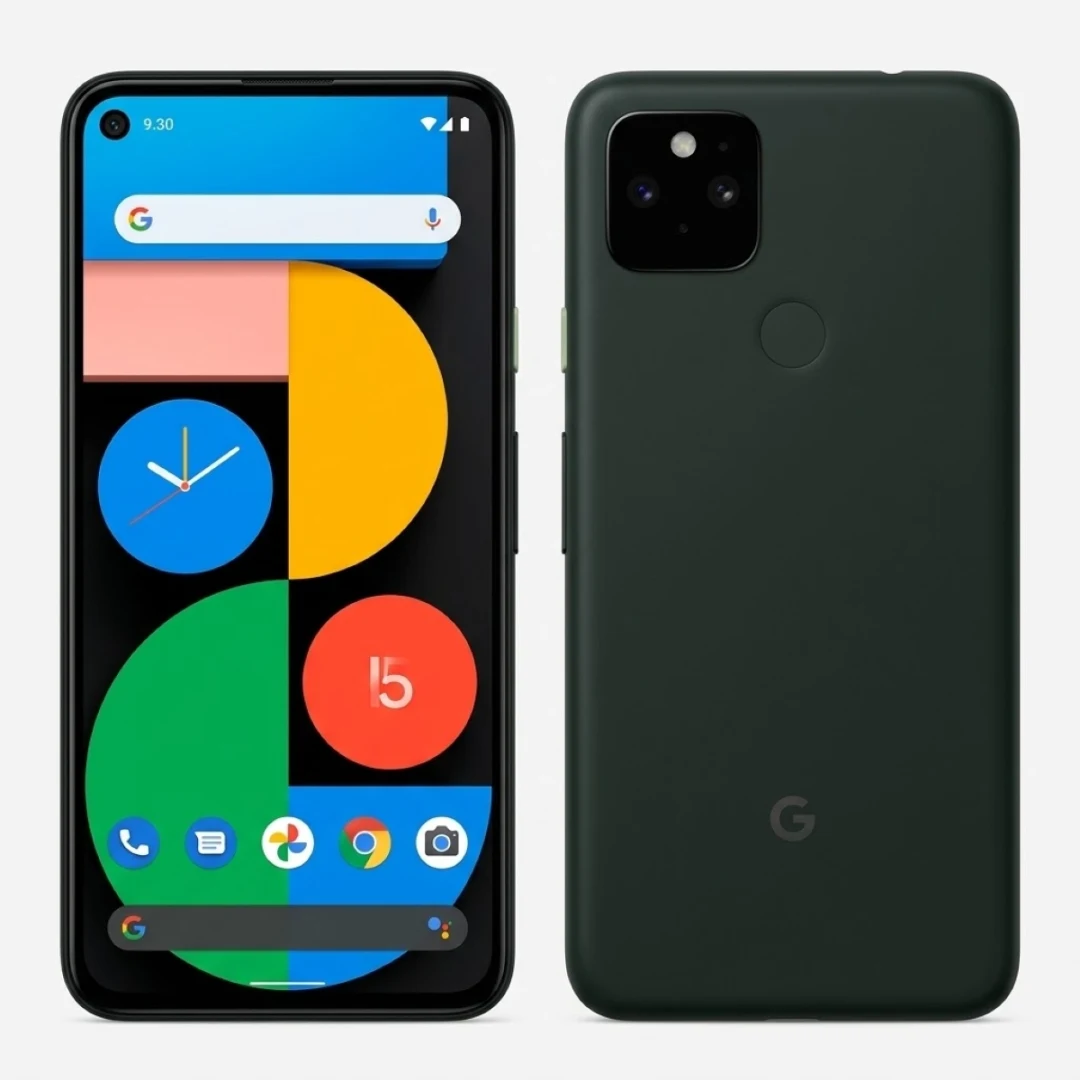
Google Pixel 4a
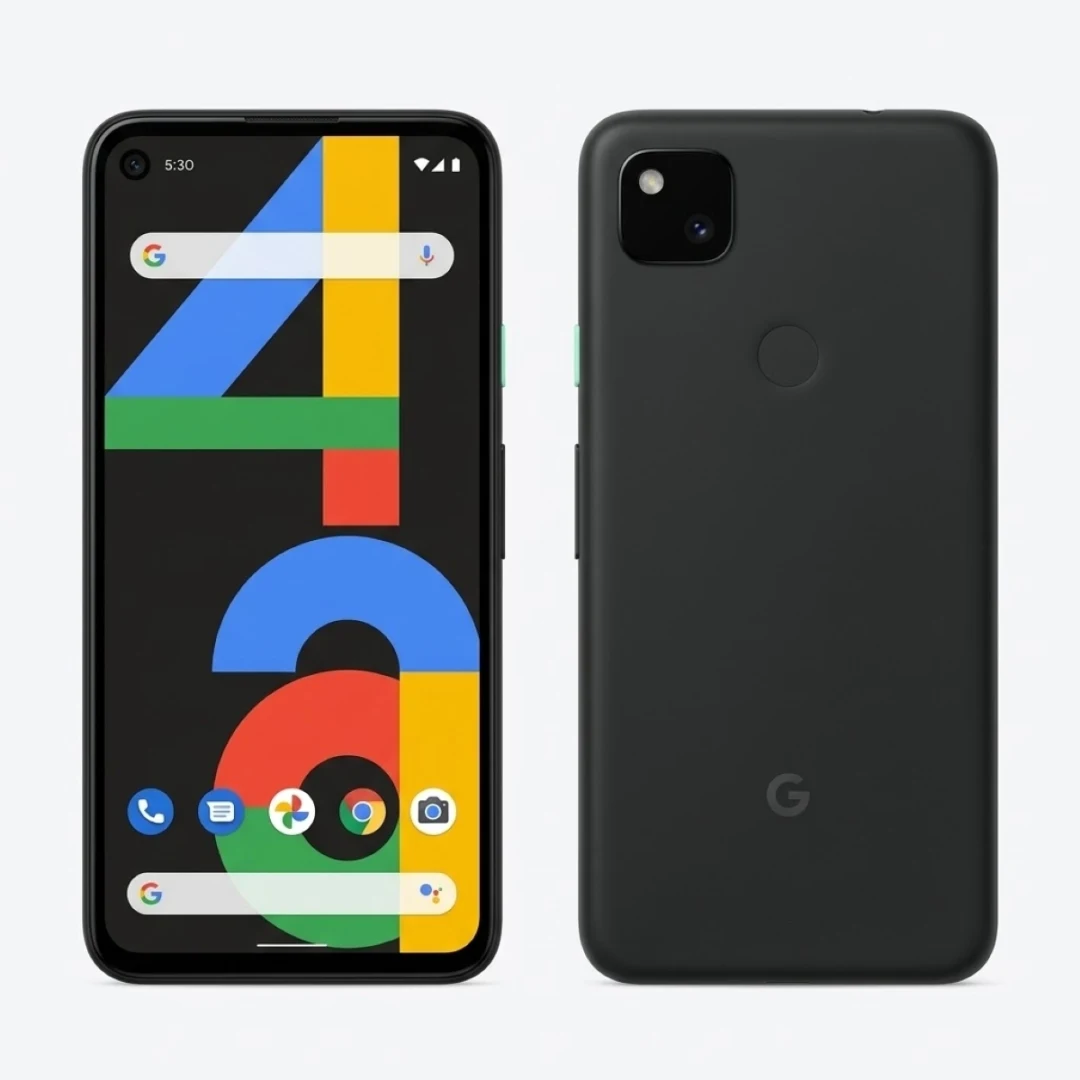
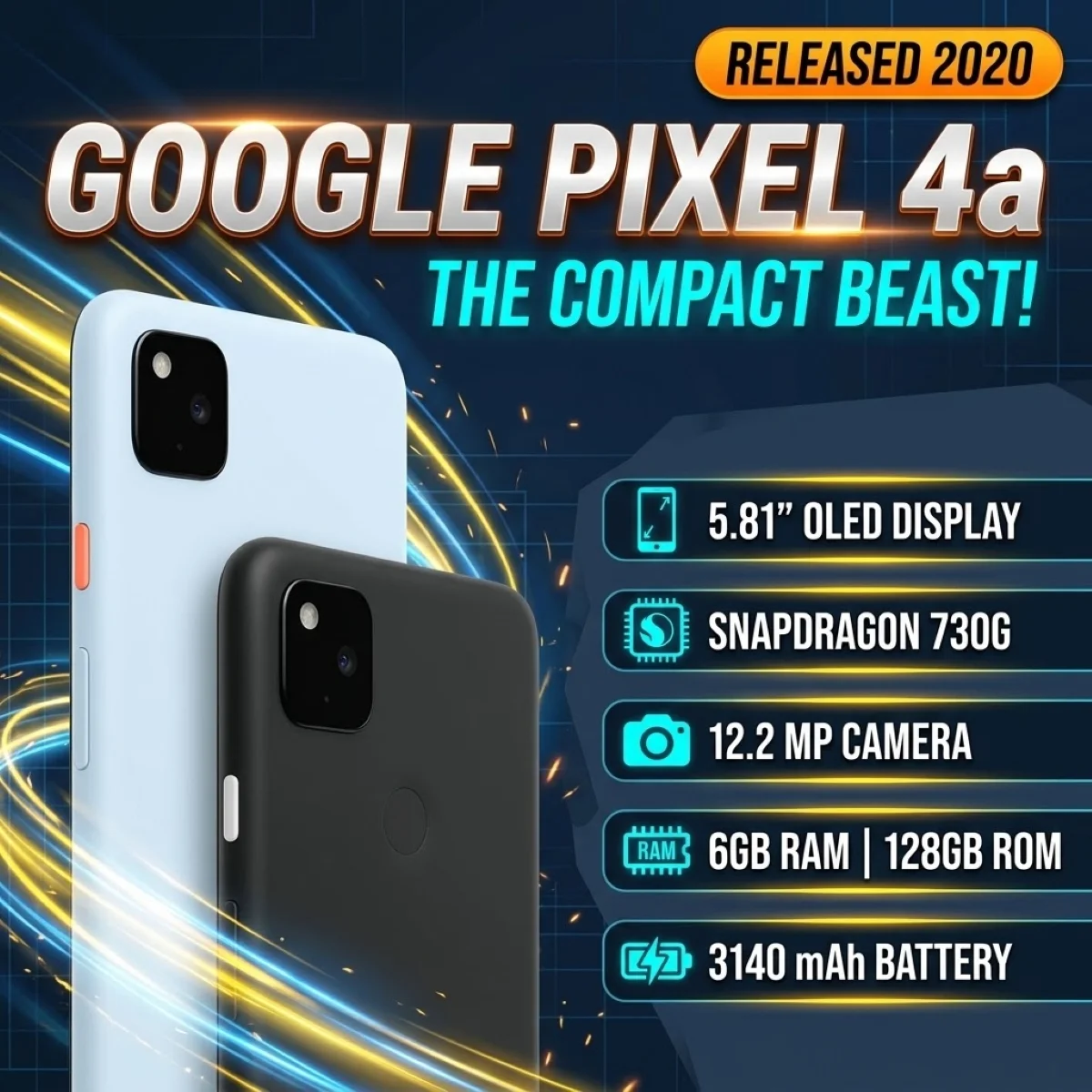
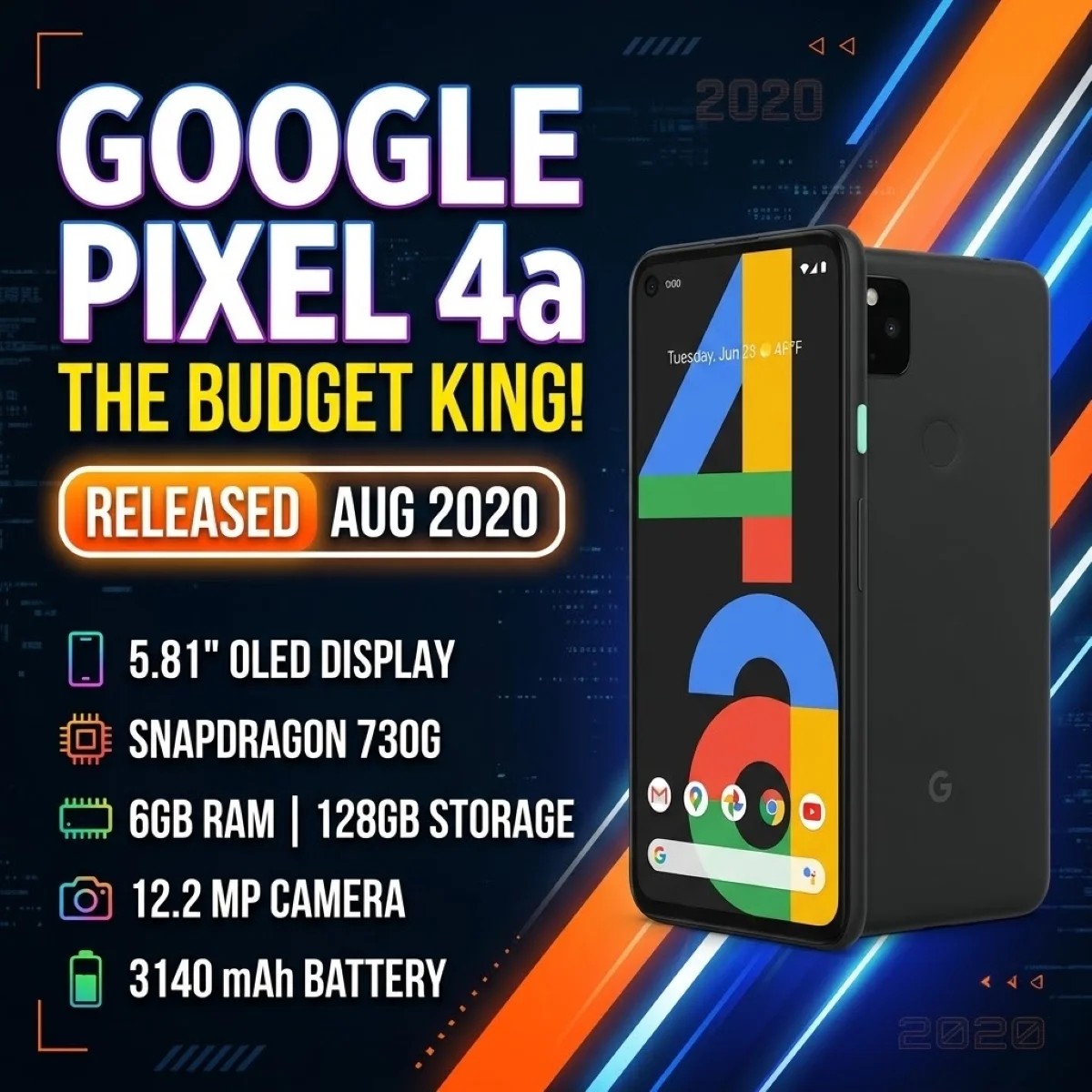
- 5.81-inch FHD+ OLED display with HDR and Corning Gorilla Glass 3
- Qualcomm Snapdragon 730G processor paired with Titan M security module
- 12.2 MP dual-pixel camera with Night Sight, Astrophotography, and OIS
- Compact lightweight design with 3.5mm headphone jack and stereo speakers
*Approximate regional retail guide prices. Pixahunt is an informational catalog.
Technical Specifications
Comprehensive hardware architecture and specifications
Network
| Technology |
GSM / HSPA / LTE
Selected Variant
|
| 2G bands |
GSM 850 / 900 / 1800 / 1900
Selected Variant
|
| 3G bands |
HSDPA 850 / 900 / 1700(AWS) / 1900 / 2100
Selected Variant
|
| 4G bands |
1, 2, 3, 4, 5, 7, 8, 12, 13, 14, 17, 18, 20, 25, 26, 28, 29, 30, 38, 39, 40, 41, 66, 71
Selected Variant
|
| 5G bands |
No
Selected Variant
|
| Speed |
HSPA 42.2/5.76 Mbps, LTE-A (3CA) Cat12 600/75 Mbps
Selected Variant
|
Launch
| Announced |
2020, August 03
Selected Variant
|
| Status |
Discontinued. Released 2020, August 20
Selected Variant
|
Body
| Dimensions |
144 x 69.4 x 8.2 mm (5.67 x 2.73 x 0.32 in)
Selected Variant
|
| Weight |
143 g (5.04 oz)
Selected Variant
|
| Build |
Glass front (Gorilla Glass 3)
Plastic back Plastic frame Selected Variant |
| SIM |
Nano-SIM and eSIM
Selected Variant
|
| Protection |
No
Selected Variant
|
Display
| Type |
OLED, HDR
Selected Variant
|
| Size |
5.81 inches, 83.2 cm2 (~83.3% screen-to-body ratio)
Selected Variant
|
| Resolution |
1080 x 2340 pixels, 19.5:9 ratio (~443 ppi density)
Selected Variant
|
| Protection |
Corning Gorilla Glass 3
Selected Variant
|
| Display Features |
Always-on display
HDR support Selected Variant |
Platform
| OS |
Android 10, upgradable to Android 13
Selected Variant
|
| Chipset |
Qualcomm SDM730 Snapdragon 730G (8 nm)
Selected Variant
|
| CPU |
Octa-core
2x2.2 GHz Kryo 470 Gold 6x1.8 GHz Kryo 470 Silver Selected Variant |
| GPU |
Adreno 618
Selected Variant
|
Memory
| Card slot |
No
Selected Variant
|
| Internal |
Storage
(ROM)
:
128GB
RAM
(Memory):
6GB RAM
Available Configurations:
128GB
Storage
6GB RAM
|
| Storage Type |
UFS 2.1
Selected Variant
|
Main Camera
| Camera Setup |
Single Camera
Selected Variant
|
| Modules |
12.2 MP, f/1.7, 27mm (wide), 1/2.55", 1.4µm, dual pixel PDAF, OIS
Selected Variant
|
| Features |
LED flash, Auto-HDR, panorama, Pixel Shift
Selected Variant
|
| Video |
4K@30fps, 1080p@30/60/120fps
gyro-EIS Selected Variant |
Selfie Camera
| Camera Setup |
Single Camera
Selected Variant
|
| Modules |
8 MP, f/2.0, 24mm (wide), 1.12µm
Selected Variant
|
| Features |
Auto-HDR
Selected Variant
|
| Video |
1080p@30fps
Selected Variant
|
Sound
| Loudspeaker |
Yes, with stereo speakers
Selected Variant
|
| 3.5mm jack |
Yes
Selected Variant
|
| Audio Features |
Stereo recording
Noise cancellation with dedicated mic Selected Variant |
Comms
| WLAN |
Wi-Fi 802.11 a/b/g/n/ac, dual-band, Wi-Fi Direct
Selected Variant
|
| Bluetooth |
5.0, A2DP, LE, aptX HD
Selected Variant
|
| Positioning |
GPS, GLONASS, GALILEO, QZSS
Selected Variant
|
| NFC |
Yes
Selected Variant
|
| Infrared port |
No
Selected Variant
|
| Radio |
No
Selected Variant
|
| USB |
USB Type-C 3.1
Selected Variant
|
Features
| Sensors |
Fingerprint (rear-mounted)
Accelerometer, gyro, proximity, compass, barometer Selected Variant |
| Other Features |
Titan M security coprocessor
Selected Variant
|
Battery
| Type |
Li-Po 3140 mAh, non-removable
Selected Variant
|
| Charging |
18W wired, PD2.0
Selected Variant
|
Misc
| Colors |
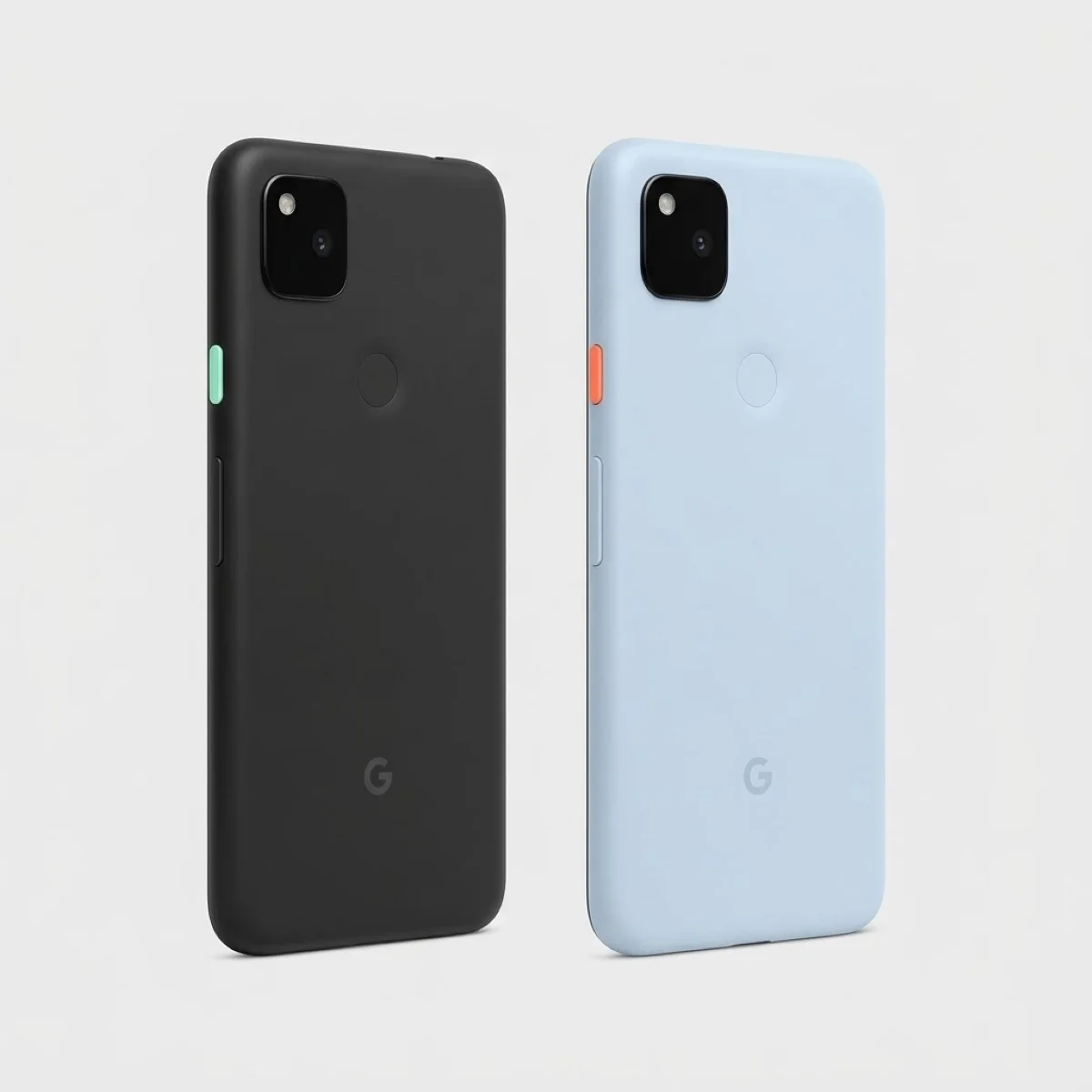
Just Black, Barely Blue
Selected Variant
|
| Models |
G025N, GA02099-US, GA02099, GA02099-UK
Selected Variant
|
| SAR |
1.18 W/kg (head) 1.19 W/kg (body)
Selected Variant
|
| SAR EU |
1.37 W/kg (head) 1.39 W/kg (body)
Selected Variant
|
| Price |
About $349 / €340
Selected Variant
|
Tests & Benchmarks
| Performance |
AnTuTu: 268,693 (v8)
GeekBench: 1,624 (v5.1) GFXBench: 15fps (ES 3.1 onscreen) Selected Variant |
| Display |
Contrast ratio: Infinite (nominal), 803 nits max brightness
Selected Variant
|
| Loudspeaker |
-25.6 LUFS (Very good)
Selected Variant
|
| Battery (Active Use) |
Endurance rating 76h
Selected Variant
|
Editorial Overview & Review
In-depth insights, architecture summary, and performance evaluation
Introduction & Market Context
When Google launched the Google Pixel 4a in mid-2020, it executed one of the most laser-focused product strategies in mid-range smartphone history. Entering the market at an aggressive $349 price point, the Pixel 4a stripped away unnecessary gimmicks—such as fragile glass backs, bloated quad-camera arrays, and excessive display scaling—to focus strictly on core user fundamentals. It was engineered specifically for enthusiasts and everyday users craving a genuinely compact, one-handed handset equipped with Google's industry-defining computational photography and clean Android operating environment.
Architecture, Cores & Engineering
Under the hood, the Pixel 4a relies on Qualcomm's 8nm Snapdragon 730G chipset. The processor utilizes an octa-core setup configured with two performance-oriented Kryo 470 Gold cores running at 2.2 GHz and six power-efficient Kryo 470 Silver cores clocked at 1.8 GHz, paired with an Adreno 618 GPU. Google paired this silicon with a generous baseline of 6GB of LPDDR4X RAM and 128GB of UFS 2.1 internal storage, eliminating the stingy memory tiers of previous iterations. Hardware security is fortified by Google's proprietary Titan M security coprocessor, safeguarding encryption keys and boot integrity.
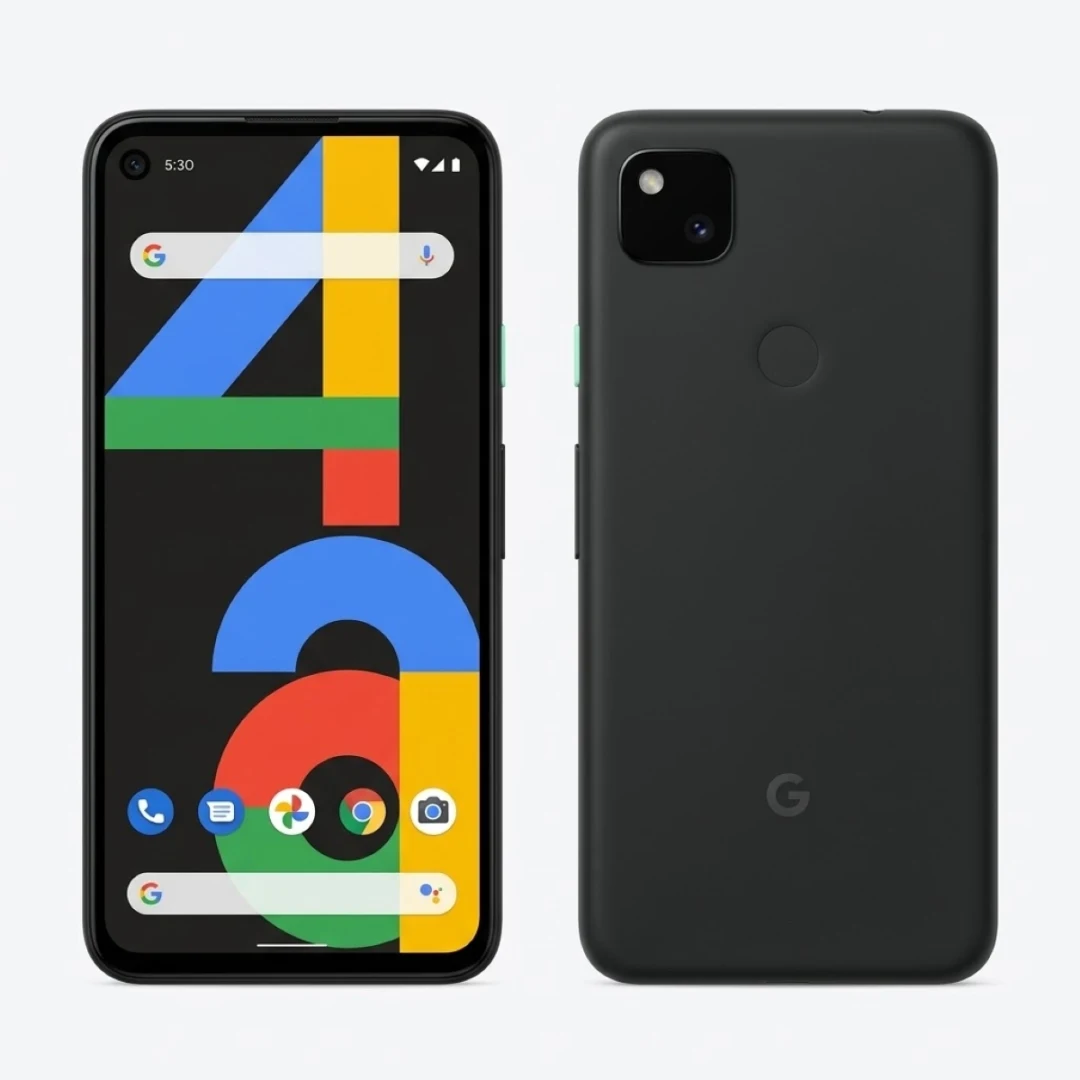
The exterior chassis is an exercise in minimalist ergonomics. Measuring just 144 x 69.4 x 8.2 mm and weighing a featherlight 143 grams, it features a functional unibody polycarbonate build. Up front sits a sharp 5.81-inch FHD+ (1080 x 2340) OLED display protected by Corning Gorilla Glass 3. Capable of an impressive 803 nits of peak brightness and HDR playback, the panel delivers true infinite contrast ratios and 443 ppi pixel density, framed by modern, slim bezels with a discreet hole-punch cutout.
Real-World Performance & Daily Experience
In day-to-day use, the Pixel 4a punches well above its synthetic benchmark scores (delivering around 268,693 in AnTuTu v8). The lightweight software skin ensures UI navigation, split-screen multitasking, and app launches feel fluid and responsive. While the 60Hz refresh rate lacks the ultra-smooth glide of high-refresh panels, the optimization ensures dependable consistency without aggressive frame drops.
Where the device truly dominates is optical performance. Google eschewed the trend of stuffing low-grade macro and depth sensors, relying instead on a single, battle-tested 12.2 MP sensor (f/1.7, 1.4µm) reinforced with Dual Pixel PDAF and Optical Image Stabilization (OIS). Thanks to Google's HDR+ and Night Sight pipelines, the Pixel 4a consistently captured class-leading stills with superior dynamic range, natural skin tones, and phenomenal low-light fidelity that humbled devices costing twice as much. Multimedia is further elevated by clear stereo speakers and the retention of a legacy 3.5mm headphone jack.
Thermals, Power & Platform Longevity
Thermal management on the Pixel 4a is inherently stable due to the modest power draw of the 8nm Snapdragon 730G. Even under sustained gaming sessions or 4K@30fps video capture, heat remains evenly distributed across the polycarbonate shell without severe thermal throttling. Power is supplied by a 3,140 mAh battery supported by 18W USB Power Delivery 2.0. While power users may find battery reserves tight toward the end of an intensive day, moderate users can reliably achieve an entire day of mixed productivity. In terms of software longevity, the Pixel 4a launched with Android 10 and enjoyed prompt upgrades all the way through Android 13, solidifying its place as a reliable, long-term daily driver.
Key Strengths & Trade-offs
- Pros: Exceptional flagship-grade camera performance via Google computational photography; highly compact and lightweight 143g footprint; vibrant HDR-capable OLED display; 3.5mm audio jack and stereo speakers; clean Android experience backed by Titan M security.
- Cons: No 5G connectivity; limited to a standard 60Hz refresh rate; modest 3,140 mAh battery capacity; plastic unibody lacks an official IP water-resistance rating; no microSD expansion slot.
Pixahunt Buying Verdict
The Google Pixel 4a stands as a masterclass in value engineering. By shedding premium novelties in favor of a stellar primary camera, practical ergonomics, clean software, and dependable performance, Google delivered an iconic mid-ranger. For buyers seeking pure utilitarian excellence in an ultra-portable form factor, the Pixel 4a remains one of the most balanced pocket devices ever produced.
OUR RATING CONSENSUS
The overall rating is based on review by our experts & industry benchmark suites
Quick Snapshot
- Brand
- Category
- Mobile
- Catalog Model
- Google Pixel 4a
- Status
- Published
- Release Date
- August 20, 2020
- Edition
Pixahunt Tech Community
Connect with hardware enthusiasts, compare benchmarks, and explore real user setups.
Explore Full Newsfeed →Related Gadgets

- 3.5-inch TFT capacitive touchscreen display
- 3.15 MP autofocus camera with video recording
- Upgraded 600 MHz processor for faster performance
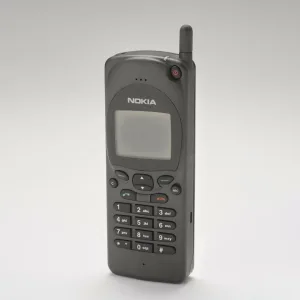
- First mobile phone to introduce the world-famous Nokia Tune ringtone
- Clear 4x13 character monochrome graphical display with dynamic soft keys
- Digital GSM 900 connectivity with text messaging (SMS) support
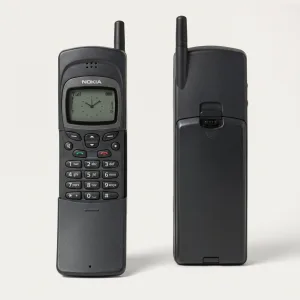
- Iconic curved slider design
- Monochrome graphic display
- Infrared port for data transfer
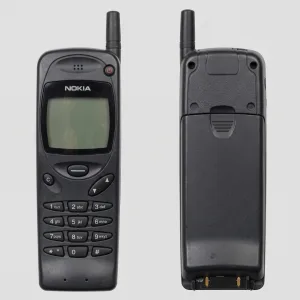
- Classic monochrome graphic display
- Robust and durable build quality
- Excellent battery life for its era
Compare Google Pixel 4a with Similar Mobile
Real-world benchmark differences, TDP energy consumption, pros & cons, and market pricing in Bangladesh.