
Nokia
Verified BrandNokia Corporation
Nokia Gadgets Catalog
Authentic technical specifications and model details
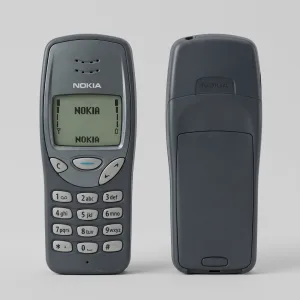
- Iconic internal antenna design
- Customizable Xpress-on covers
- Pre-loaded games including the legendary Snake
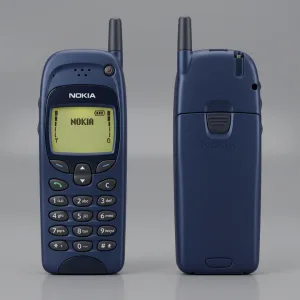
- Dual-band GSM 900/1800 support for wider network compatibility
- Monochrome graphic display with 5 lines for clear text
- Infrared port for basic data exchange with compatible devices
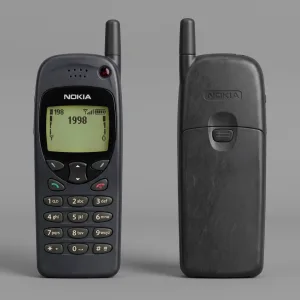
- Classic monochrome display
- Infrared port for data exchange
- Long-lasting removable NiMH battery
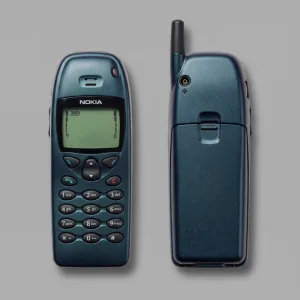
- First Nokia phone with the Snake game
- Infrared port for data transfer
- Customizable profiles and ringtones
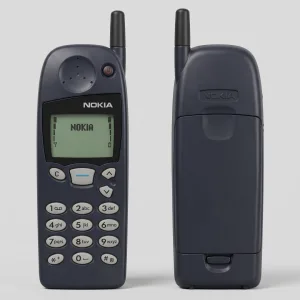
- Iconic monochrome display with clear readability
- Exceptional battery life for extended usage
- Durable and robust build quality
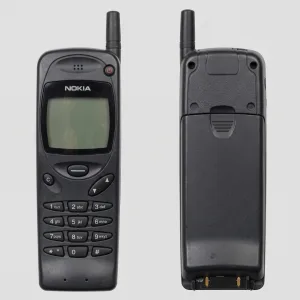
- Classic monochrome graphic display
- Robust and durable build quality
- Excellent battery life for its era
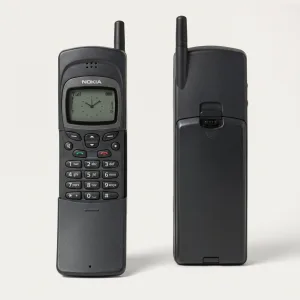
- Iconic curved slider design
- Monochrome graphic display
- Infrared port for data transfer
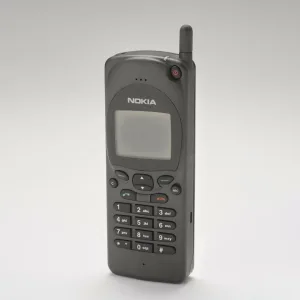
- First mobile phone to introduce the world-famous Nokia Tune ringtone
- Clear 4x13 character monochrome graphical display with dynamic soft keys
- Digital GSM 900 connectivity with text messaging (SMS) support
Nokia Authorized Service Hubs & Outlets
Verified customer care centers, regional hubs and official outlets
Beijing Hub
China8A, Wangjing Road, Chaoyang District, Beijing, China
Espoo Hub
FinlandKaraportti 3, 02610 Espoo, Finland
Noida Hub
IndiaTower B, Worldmark, Sector 98, Noida, Uttar Pradesh 201304, India
Irving Hub
United States6000 Connection Drive, Irving, TX 75039, USA
Nokia Leadership & Executive CEOs
Historical and current executive leadership timeline
Pekka Lundmark
Current CEORajeev Suri
About & History of Nokia
<p>Nokia's origins trace back to 1865 when Fredrik Idestam established a groundwood pulp mill in Tampere, Finland. A second mill was opened near the town of Nokia, which later gave the company its name. The business diversified over the decades, merging with Finnish Rubber Works (a manufacturer of rubber products like tires and footwear) in 1922 and Finnish Cable Works (a producer of cables and electronics) in 1967. This merger formally created Nokia Corporation, an industrial conglomerate involved in paper, rubber, cables, and electronics.</p><p>The company made its pivotal entry into telecommunications in the 1980s, building on its electronics division. Following strategic acquisitions like Salora and Mobira, Nokia pioneered mobile telephony, notably with the first portable car phone in 1982 and the first handheld GSM phone in 1992. By the late 1990s and early 2000s, Nokia had become the undisputed global leader in mobile phones, known for its robust and user-friendly devices like the Nokia 3310 and 1100. Its innovation in design, battery life, and durability solidified its position as a household name and a symbol of Finnish technological prowess.</p><p>However, Nokia struggled to adapt to the smartphone revolution dominated by Apple's iPhone and Google's Android. In 2011, it partnered with Microsoft, adopting the Windows Phone operating system, a move that ultimately failed to regain market share. In 2013, Nokia sold its Devices & Services division to Microsoft. Post-sale, Nokia refocused on network infrastructure, patent licensing, and technology development. Today, Nokia is a major global provider of telecommunications equipment, software, and services to operators and enterprises, while its brand name for mobile phones is licensed to HMD Global.</p>
Integrate Nokia Data with Pixahunt API
Directly query specifications, authorized service hubs, and corporate profiles via authenticated JSON endpoints.