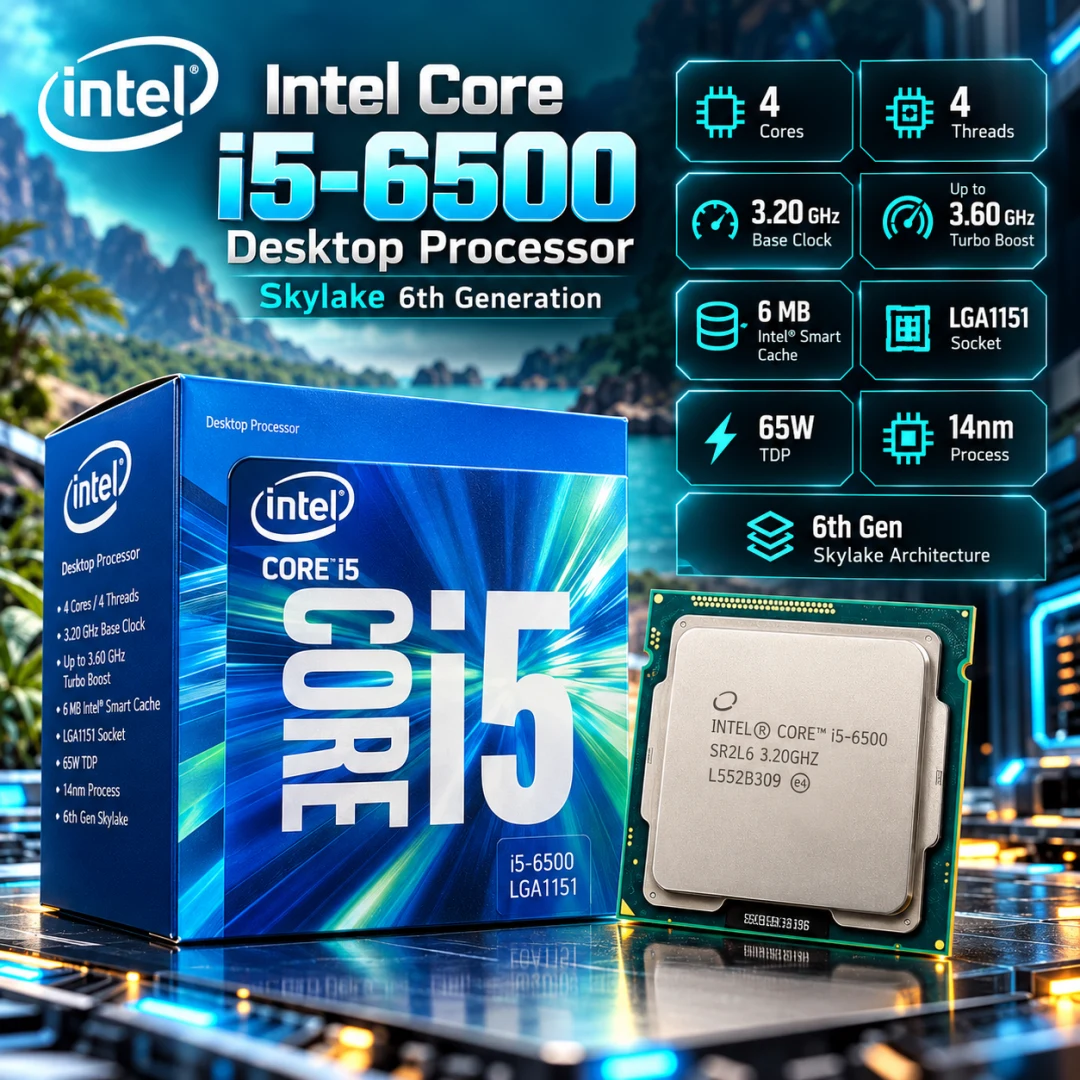
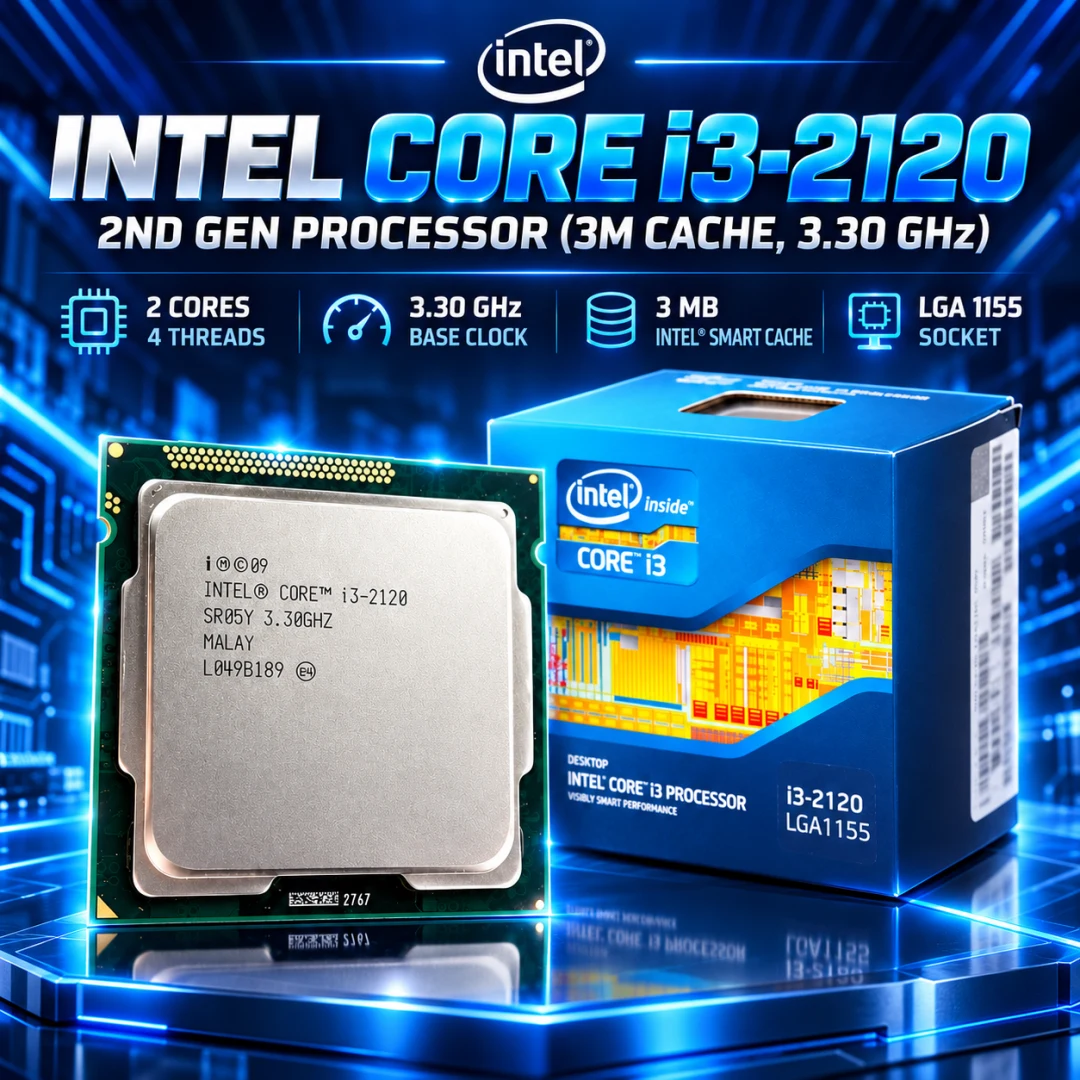
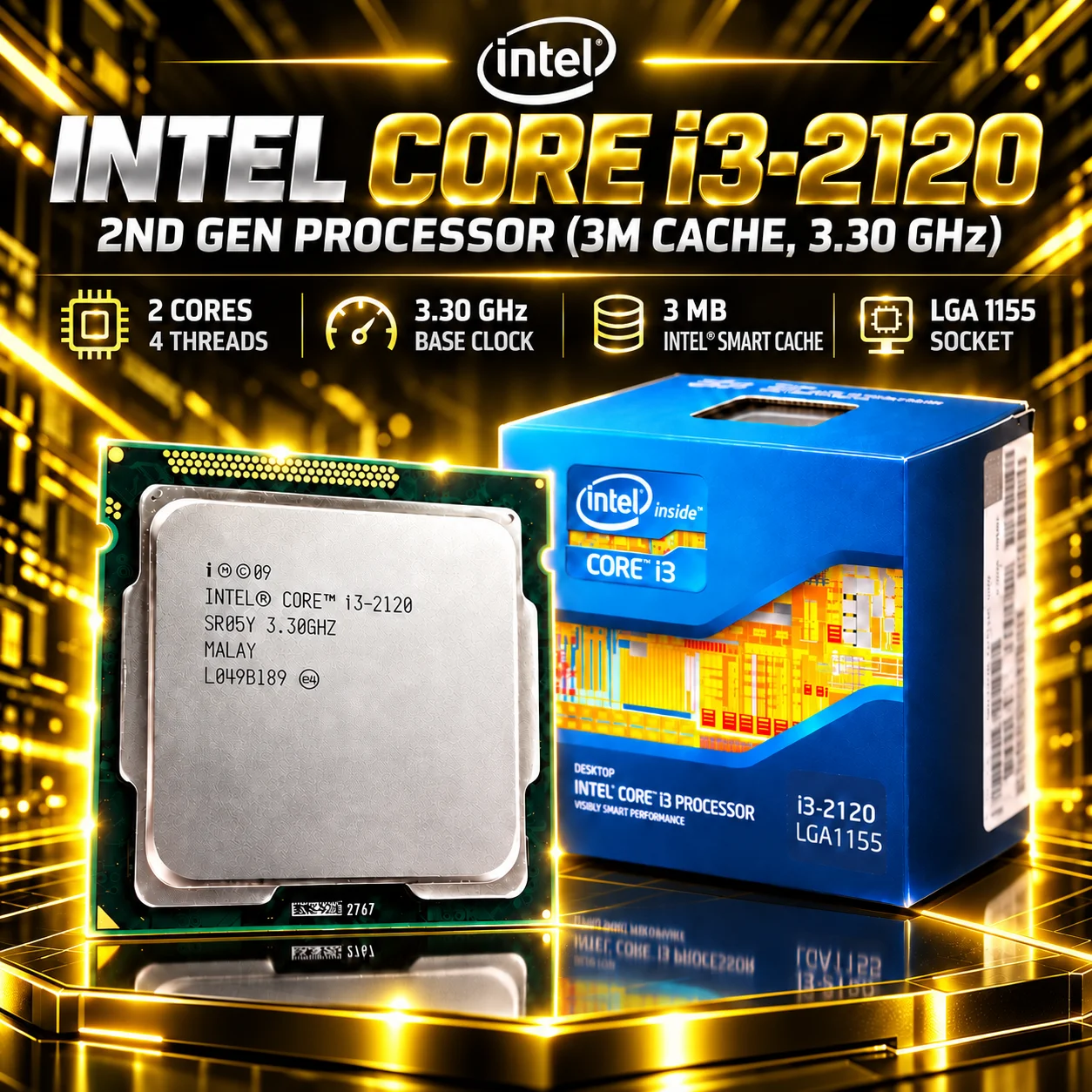
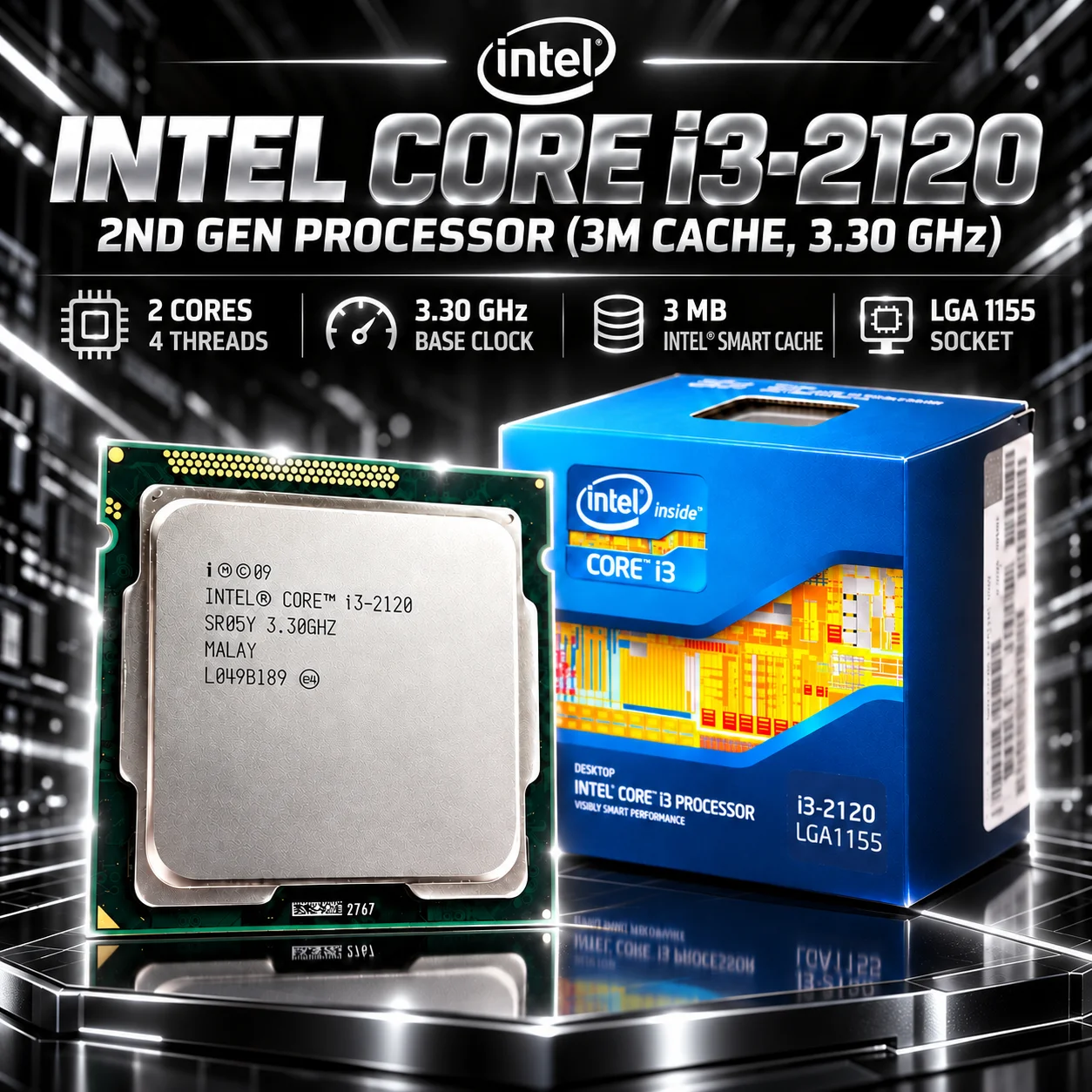
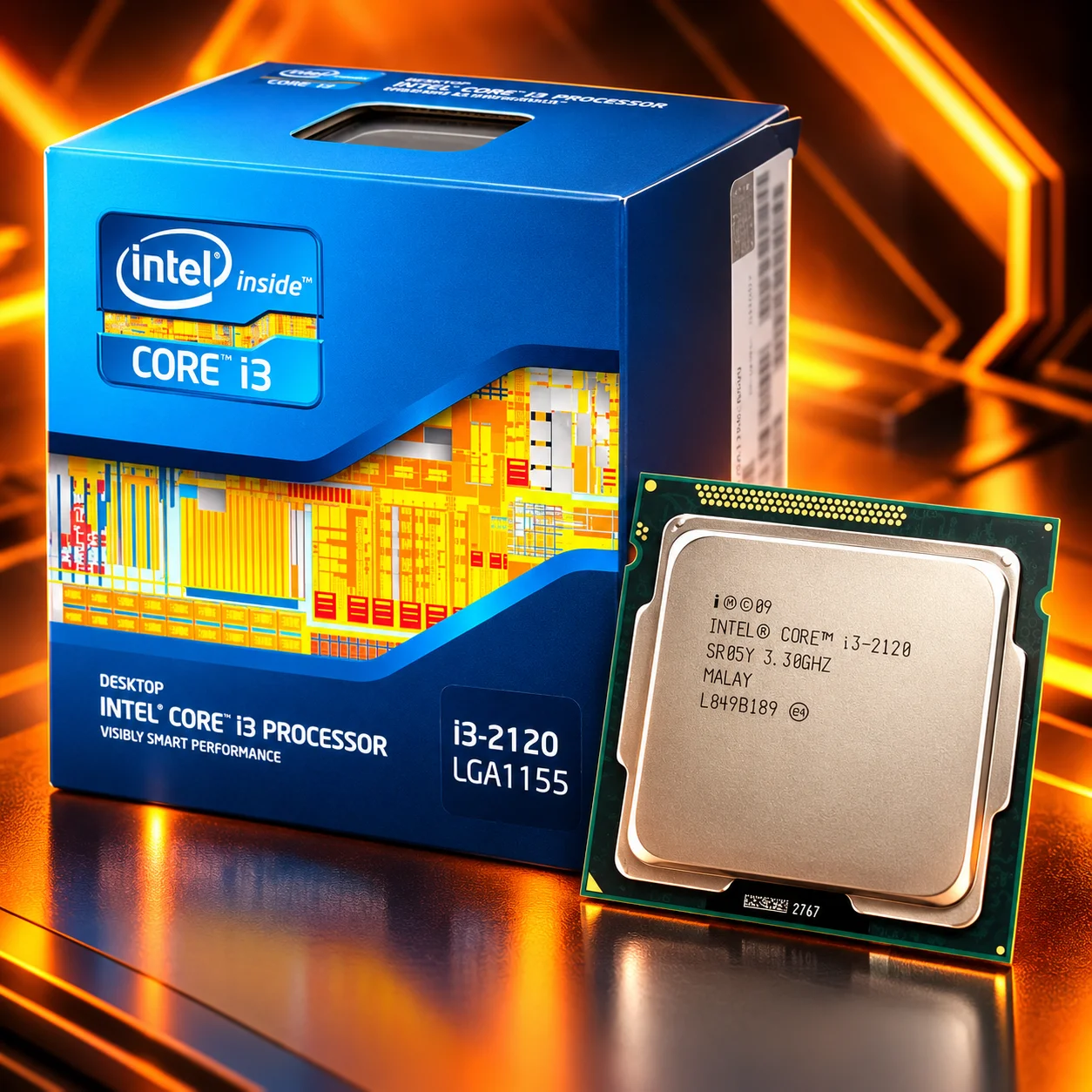
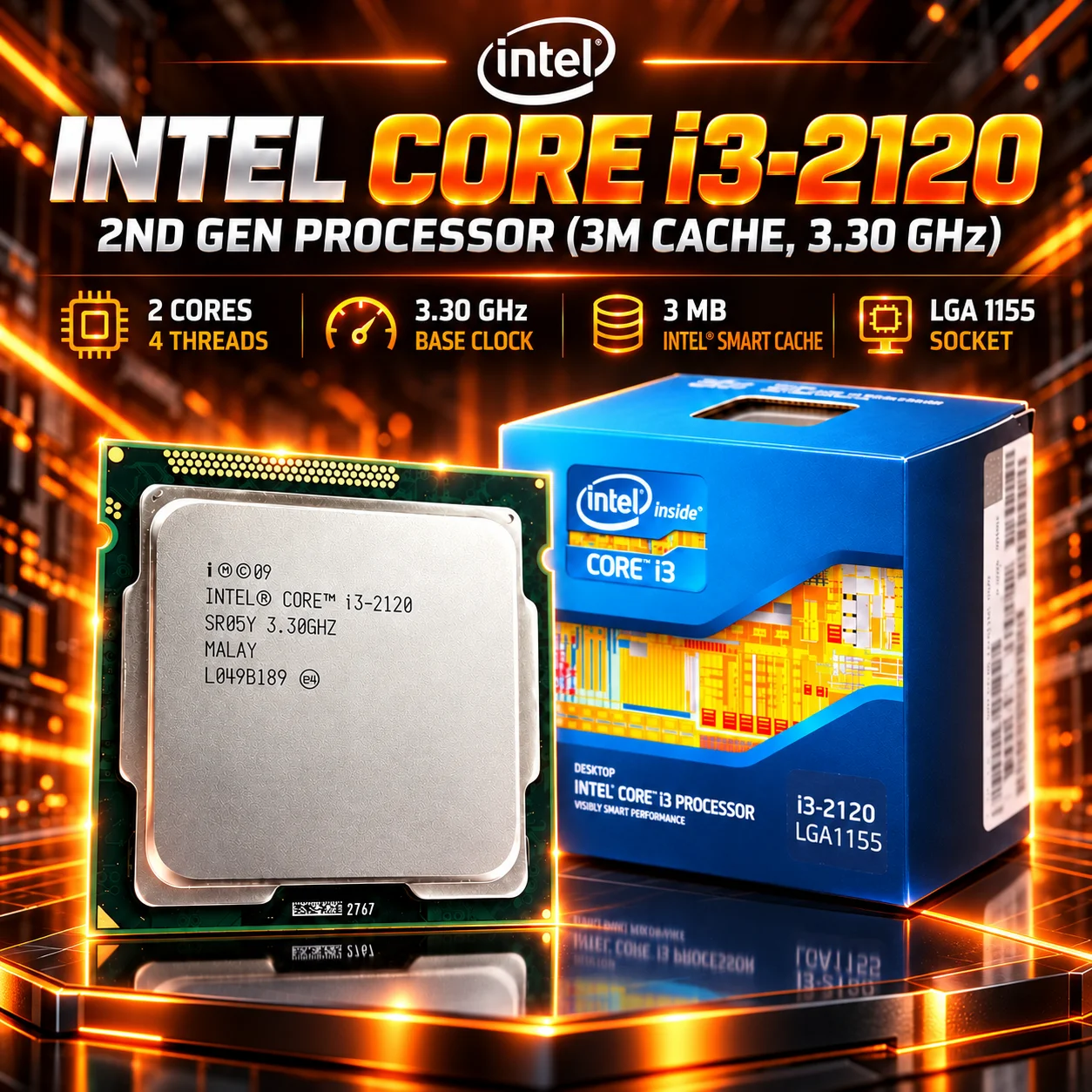
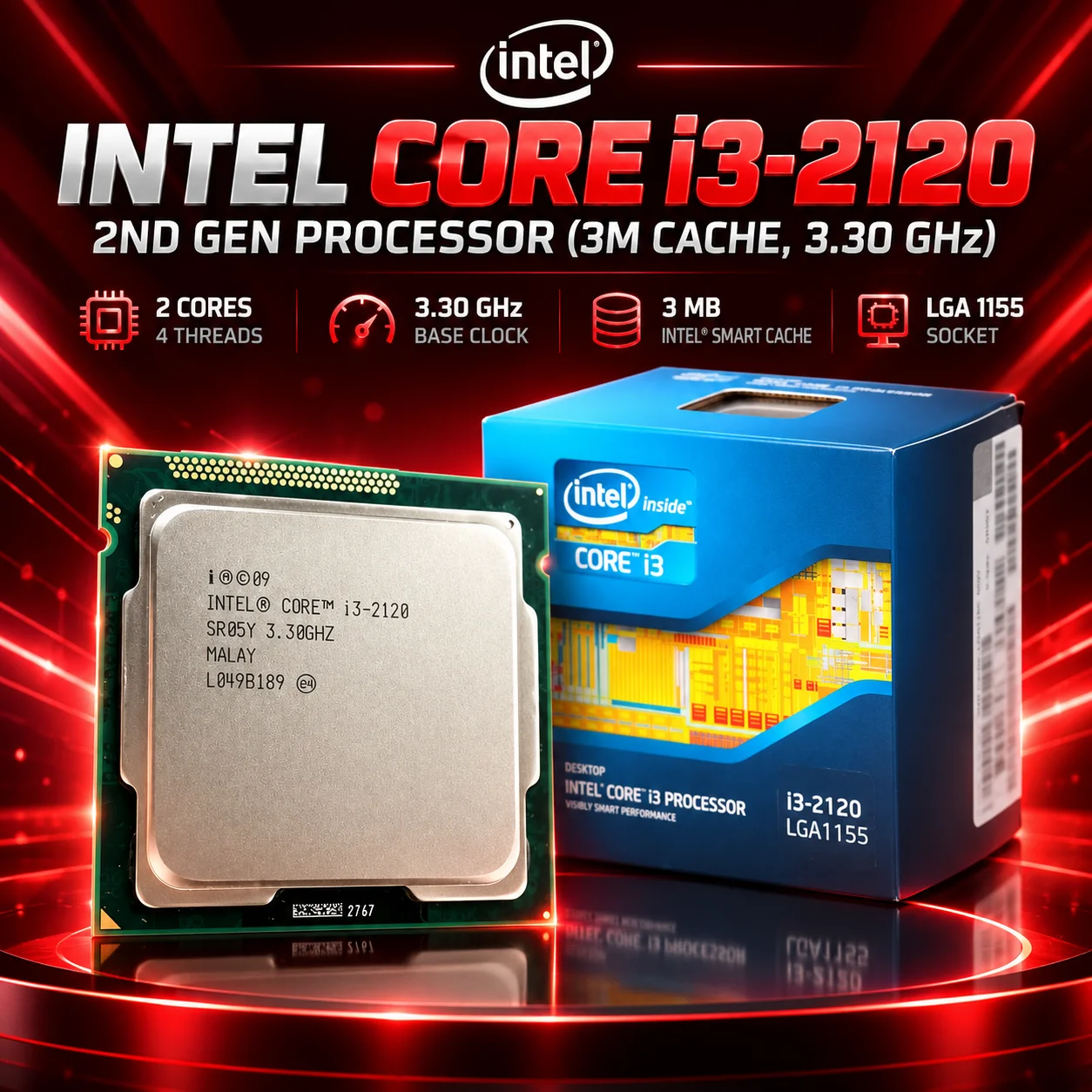
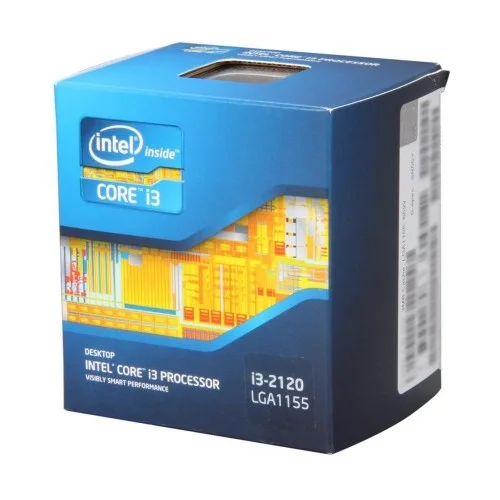
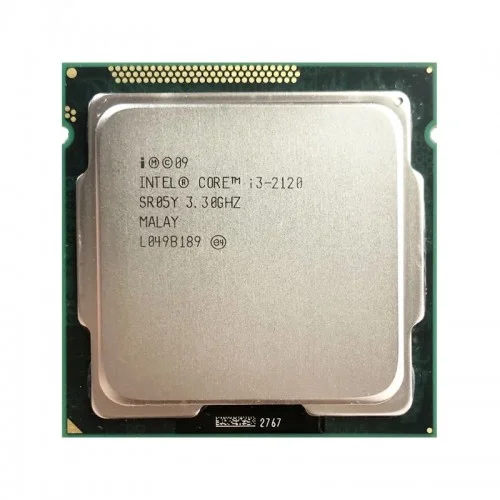
Intel Core i3-2120 2nd Gen Processor (3M Cache, 3.30 GHz)
- 2 Cores and 4 Threads with Intel Hyper-Threading Technology
- 3.30 GHz Base Clock Frequency with 3 MB Intel Smart Cache
- Includes Intel HD Graphics 2000 integrated graphics
- 65W TDP designed for standard desktop power requirements
*Approximate regional retail guide prices. Pixahunt is an informational catalog.
CPU Benchmark Scores & Performance Analysis
TESTEDCinebench R23, Geekbench 6, PassMark CPU Mark scores & real-world gaming/office suitability tests.
Technical Specifications
Comprehensive hardware architecture and specifications
General
| Series |
Core i3 (2nd Gen)
Selected Variant
|
| Model |
Core i3-2120
Selected Variant
|
| Cpu Cooler |
Included (E97379-001)
Selected Variant
|
| Code-Name |
Sandy Bridge
Selected Variant
|
| Generation |
2nd Gen
Selected Variant
|
| Sockets Supported |
FCLGA1155
Selected Variant
|
| Release Date |
February 20, 2011
Selected Variant
|
Performance
| Base Frequency |
3.30 GHz
Selected Variant
|
| Turbo Frequency Max. |
N/A
Selected Variant
|
| Core |
2
Selected Variant
|
| Threads |
4
Selected Variant
|
| CPU Cache |
3 MB Intel Smart Cache
Selected Variant
|
| L1 Cache |
64 KB (per core)
Selected Variant
|
| L2 Cache |
256 KB (per core)
Selected Variant
|
| L3 Cache |
3 MB (shared)
Selected Variant
|
| TDP |
65 W
Selected Variant
|
| Lithography |
32 nm
Selected Variant
|
| Multiplier |
33.0x
Selected Variant
|
| Multiplier Unlocked |
No
Selected Variant
|
| Processor Type. |
Desktop Processor (2 Cores, 4 Threads)
Best for: Budget Desktop Computing, Office Applications & Web Browsing Selected Variant |
Memory Support
| Memory Max. |
32 GB
Selected Variant
|
| Memory Type |
DDR3
Selected Variant
|
| Memory Speed |
1066/1333 MT/s
Selected Variant
|
| Memory Channel |
2
Selected Variant
|
| Max Memory Bandwidth |
21.3 GB/s
Selected Variant
|
| ECC Memory Supported |
No
Selected Variant
|
Graphics
| Built-in GPU |
Yes
Selected Variant
|
| Processor Graphics |
Intel HD Graphics 2000
Selected Variant
|
| Graphics Base Frequency |
850 MHz
Selected Variant
|
| Graphics Dynamic Frequency |
1100 MHz
Selected Variant
|
| Graphics Core Count |
N/A
Selected Variant
|
| Max Video Memory |
N/A
Selected Variant
|
| Max Resolution |
N/A
Selected Variant
|
Technical Info
| DirectX Support |
10.1
Selected Variant
|
| OpenGL Support |
3.1
Selected Variant
|
| Approx. Power Consumption |
65 W
Selected Variant
|
| Compatible Products / Chipsets |
Z77, Z75, Q77, H77, Q75, B75, Z68, P67, H67, Q67, B65, H61
Selected Variant
|
| PCI Express Version |
Gen 2
Selected Variant
|
| PCI Express Lanes |
16 Lanes
Selected Variant
|
| Thermal Solution (MPK / Box) |
E97379-001
Selected Variant
|
| Max. Operating Temperature (Tjmax) |
69°C
Selected Variant
|
Warranty
| Manufacturing Warranty |
03 Years
Selected Variant
|
Additional Info
| Specialty |
Intel Hyper-Threading Technology, Intel Virtualization Technology (VT-x)
Selected Variant
|
| Others |
End-of-life Product
Selected Variant
|
| Country Of Origin |
USA
Selected Variant
|
| Made in/ Assemble |
China / Malaysia
Selected Variant
|
Editorial Overview & Review
In-depth insights, architecture summary, and performance evaluation
Introduction & Overview
Stepping back into the annals of consumer computing history reveals components that fundamentally shaped the modern desktop landscape. Released during the height of the "Sandy Bridge" era, the Intel Core i3-2120 established itself as a cornerstone of budget-friendly, highly reliable desktop computing. Positioned squarely in the mainstream tier of Intel’s 2nd Generation Core family, this processor was engineered to deliver a snappy, responsive Windows experience for everyday users, budget-conscious students, and entry-level office environments.
While the CPU market has advanced by leaps and bounds, looking back at the i3-2120 offers a masterclass in how efficient engineering can democratize performance. Built for the ubiquitous FCLGA1155 socket and paired with a wide array of compatible chipsets ranging from the budget H61 to the enthusiast Z68 and Z77 platforms, this chip was designed to be universally accessible, easy to cool, and remarkably dependable.
Architecture, Performance & Key Technologies
At the heart of the Core i3-2120 is Intel’s revolutionary 32nm Sandy Bridge microarchitecture, a design that famously unified the CPU cores and graphics execution units onto a single silicon die. The processor features 2 physical cores and leverages Intel Hyper-Threading Technology to present 4 logical threads to the operating system, dramatically improving multitasking fluidity over older dual-core alternatives.
- Clock Speeds & Cache: Operating at a fixed, rock-solid base frequency of 3.30 GHz (lacking Turbo Boost capabilities), it utilizes a 3 MB L3 Intel Smart Cache alongside 64 KB of L1 and 256 KB of L2 cache per core.
- Integrated Graphics: Equipped with Intel HD Graphics 2000, featuring a base frequency of 850 MHz that dynamically scales up to 1100 MHz. While modest by modern standards, it natively handled hardware-accelerated video playback and standard desktop display duties without requiring a discrete graphics card.
- Memory & Efficiency: The chip integrates a dual-channel memory controller supporting DDR3 RAM speeds up to 1333 MT/s, pushing a maximum memory bandwidth of 21.3 GB/s. Operating at a modest Thermal Design Power (TDP) of just 65 W, it ships standard with Intel's dependable E97379-001 cooler, requiring minimal thermal overhead.
Real-World Use Cases
During its prime, the Core i3-2120 was a darling of system integrators and DIY builders aiming for the "sweet spot" of price-to-performance. In day-to-day productivity tasks—such as heavy web browsing with dozens of tabs open, Microsoft Office workflows, and database management—the 3.30 GHz clock speed paired with Hyper-Threading ensured zero perceptible lag.
When it came to light entertainment and gaming, pairing the i3-2120 with an entry-level discrete GPU (like the legendary GTX 750 Ti or similar vintage hardware) unlocked a surprisingly capable 720p/1080p eSports gaming rig. It handled titles like Counter-Strike: Global Offensive, League of Legends, and Minecraft with admirable frames, making it an affordable entry point into PC gaming. However, due to its lack of modern instruction sets, a locked multiplier (no overclocking), and a dual-core foundation, heavily threaded modern AAA games and intensive 4K video rendering sit well outside its operational comfort zone.
Strengths & Potential Considerations
Evaluating hardware of this vintage requires a balanced look at what it did exceptionally well alongside its inherent limitations:
- Strengths (Pros):
- Exceptional power efficiency with a low 65W TDP.
- Incredible long-term reliability and build quality.
- Included stock cooler keeps temperatures well within the 69°C Tjmax limit effortlessly.
- Hyper-Threading delivers impressive responsiveness for basic multi-threaded workloads.
- Potential Considerations (Cons):
- Officially classified as an end-of-life (EOL) product with no modern driver or security microcode updates.
- No Turbo Boost technology; fixed 3.30 GHz ceiling limits burst performance.
- Limited to PCIe Gen 2 and DDR3 memory standards.
- Incompatible with modern operating systems like Windows 11 without bypassing hardware restrictions.
Final Buying Verdict
The Intel Core i3-2120 is a legendary piece of silicon that proved budget hardware doesn't have to mean a sluggish user experience. While it is certainly retired from the frontline of modern gaming and heavy productivity, it remains a nostalgic favorite for retro-build enthusiasts, ultra-budget secondary workshop PCs, or lightweight Linux file servers.
If you are looking at the i3-2120 for a modern primary rig, the technological advancements of the past decade mean you should look toward newer generations. However, as a testament to Intel's Sandy Bridge engineering triumph, the i3-2120 holds a revered place in PC hardware history as a true workhorse of its decade.
OUR RATING CONSENSUS
The overall rating is based on review by our experts & industry benchmark suites
Quick Snapshot
- Overall Rating
- 4.8 / 10
- Brand
- Intel
- Category
- Processor
- Catalog Model
- i3-2120
- Status
- Published
- Release Date
- February 20, 2011
Pixahunt Tech Community
Connect with hardware enthusiasts, compare benchmarks, and explore real user setups.
Explore Full Newsfeed →Related Gadgets
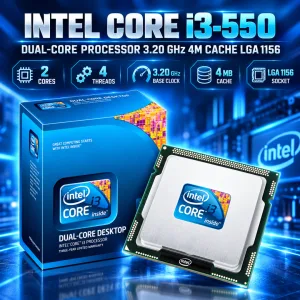
- 3.20 GHz Dual-Core Clock Speed for Reliable Everyday Computing
- Intel Hyper-Threading Technology Enabling 4 Parallel Threads
- Built-in Intel HD Graphics for Integrated Display Support
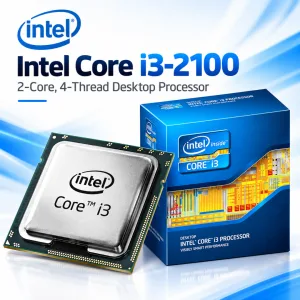
- 2 cores and 4 threads with Intel Hyper-Threading Technology
- 3.10 GHz base processor frequency
- 3 MB Intel Smart Cache
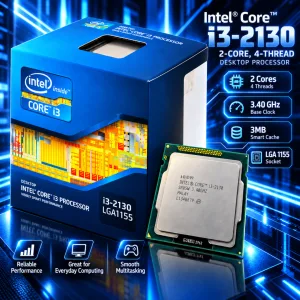
- 2 cores and 4 threads with Intel Hyper-Threading Technology
- 3.40 GHz processor base frequency with 3 MB Intel Smart Cache
- Integrated Intel HD Graphics 2000
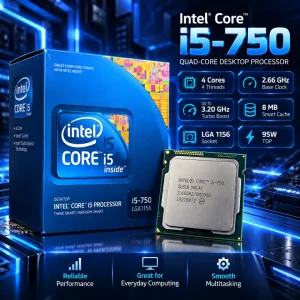
- 4 cores and 4 threads for solid multi-tasking performance
- 2.66 GHz base frequency with Intel Turbo Boost up to 3.20 GHz
- 8 MB Intel Smart Cache for rapid data access
Compare i3-2120 with Similar Processor
Real-world benchmark differences, TDP energy consumption, pros & cons, and market pricing in Bangladesh.