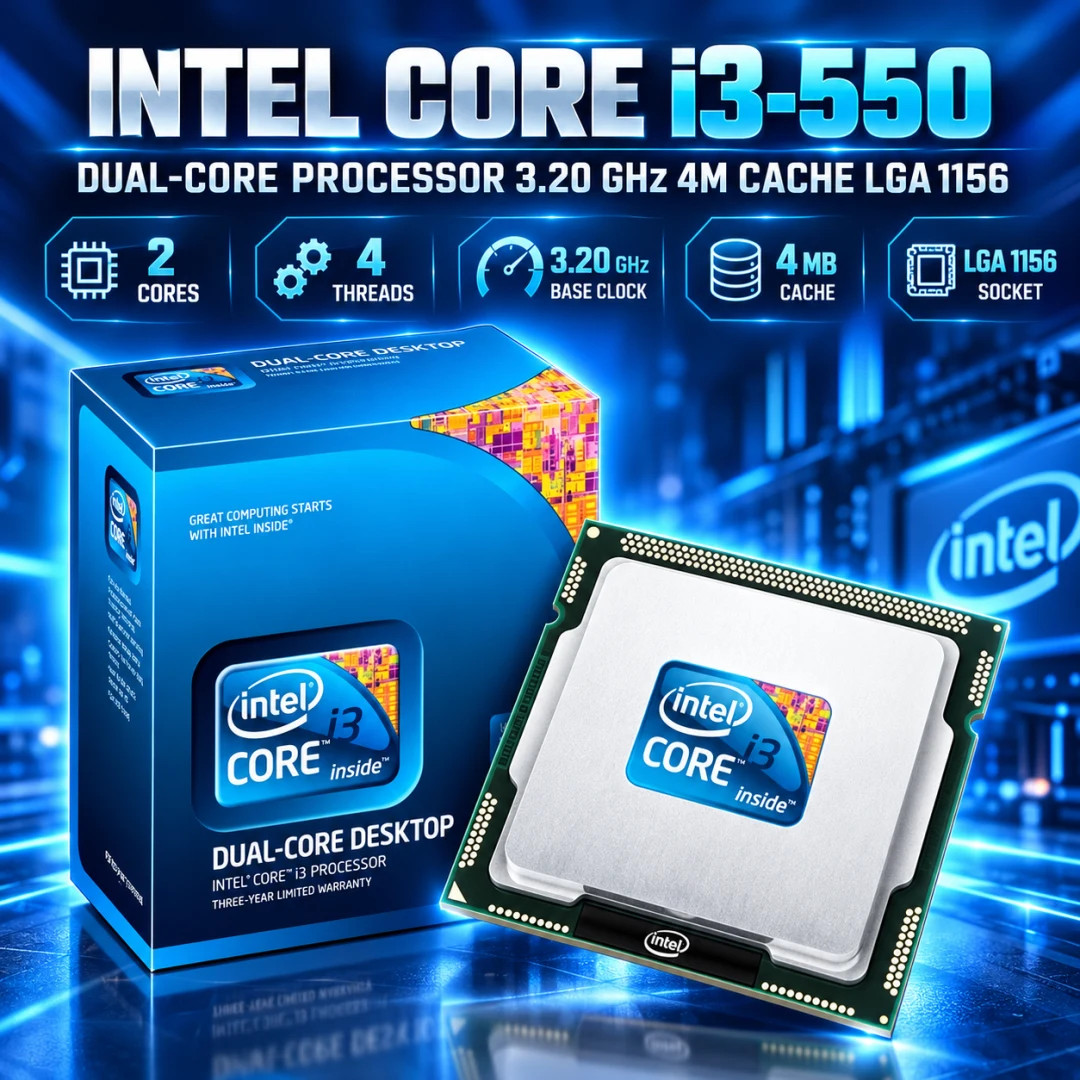
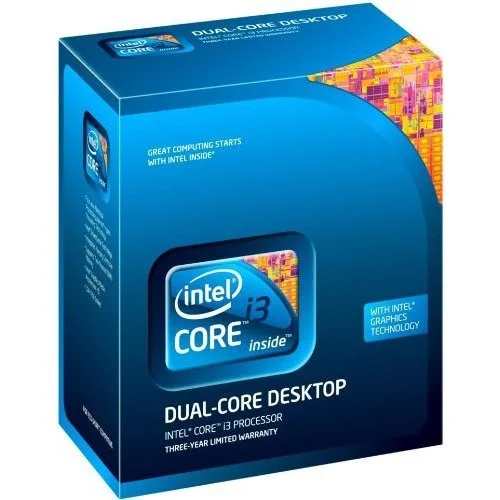
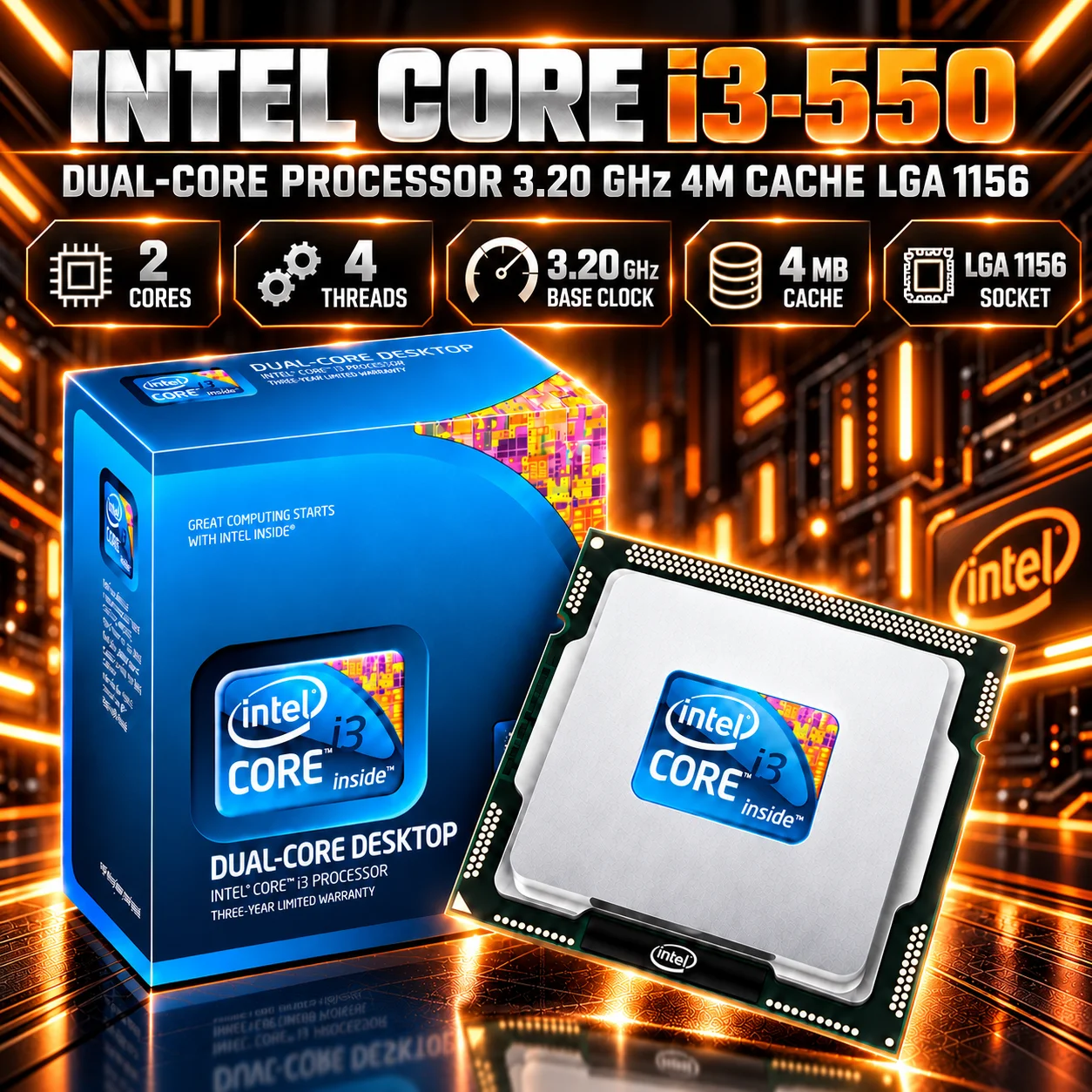
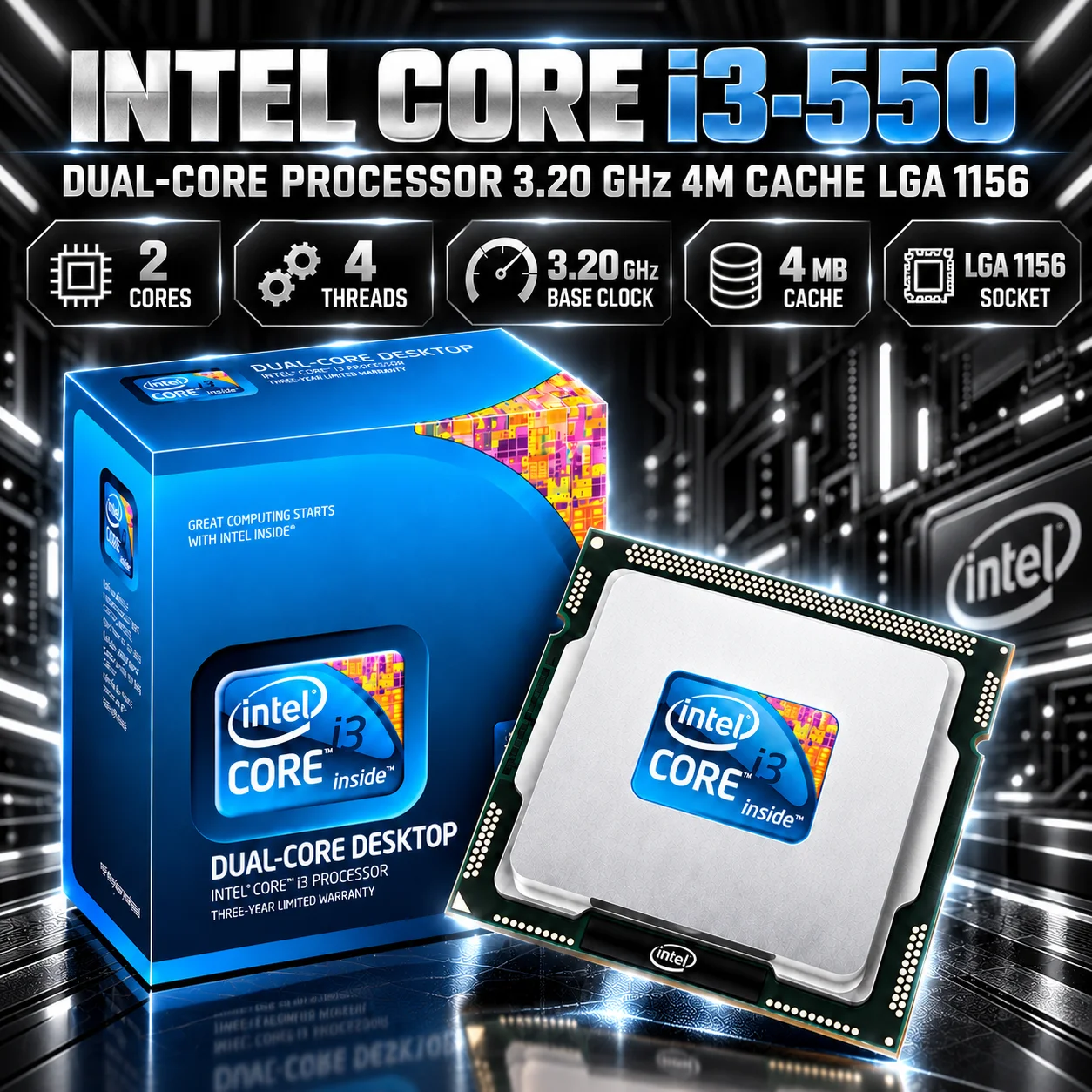
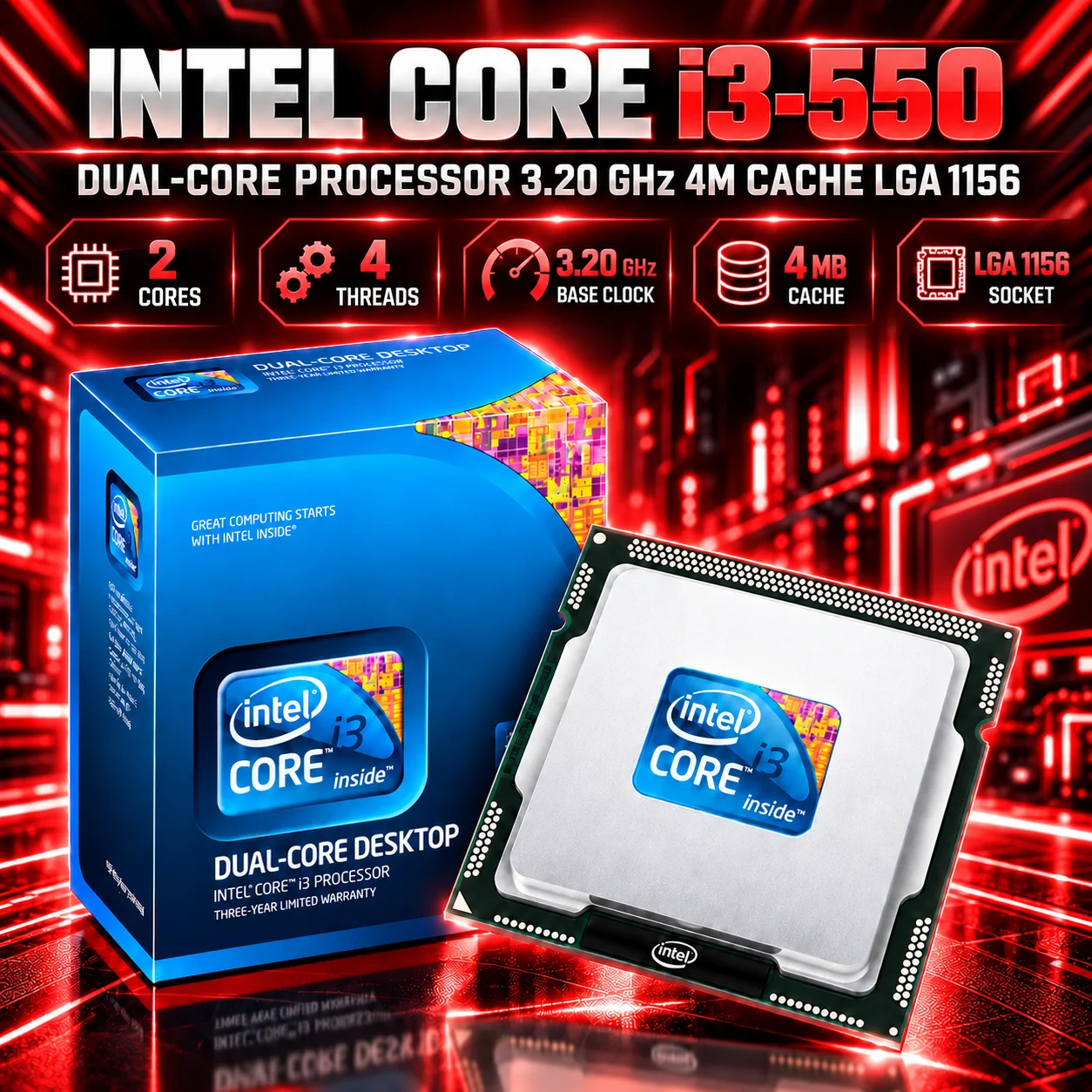
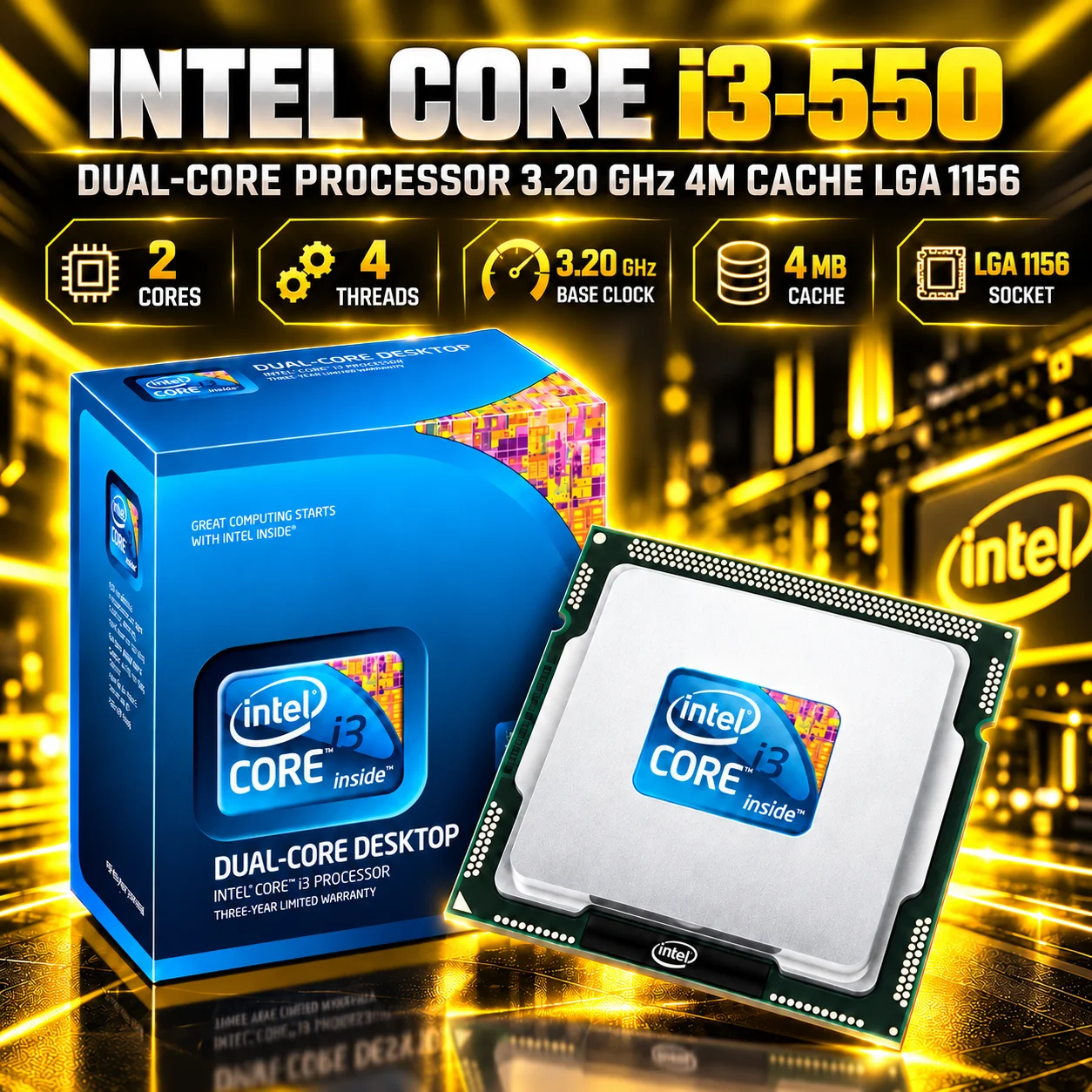
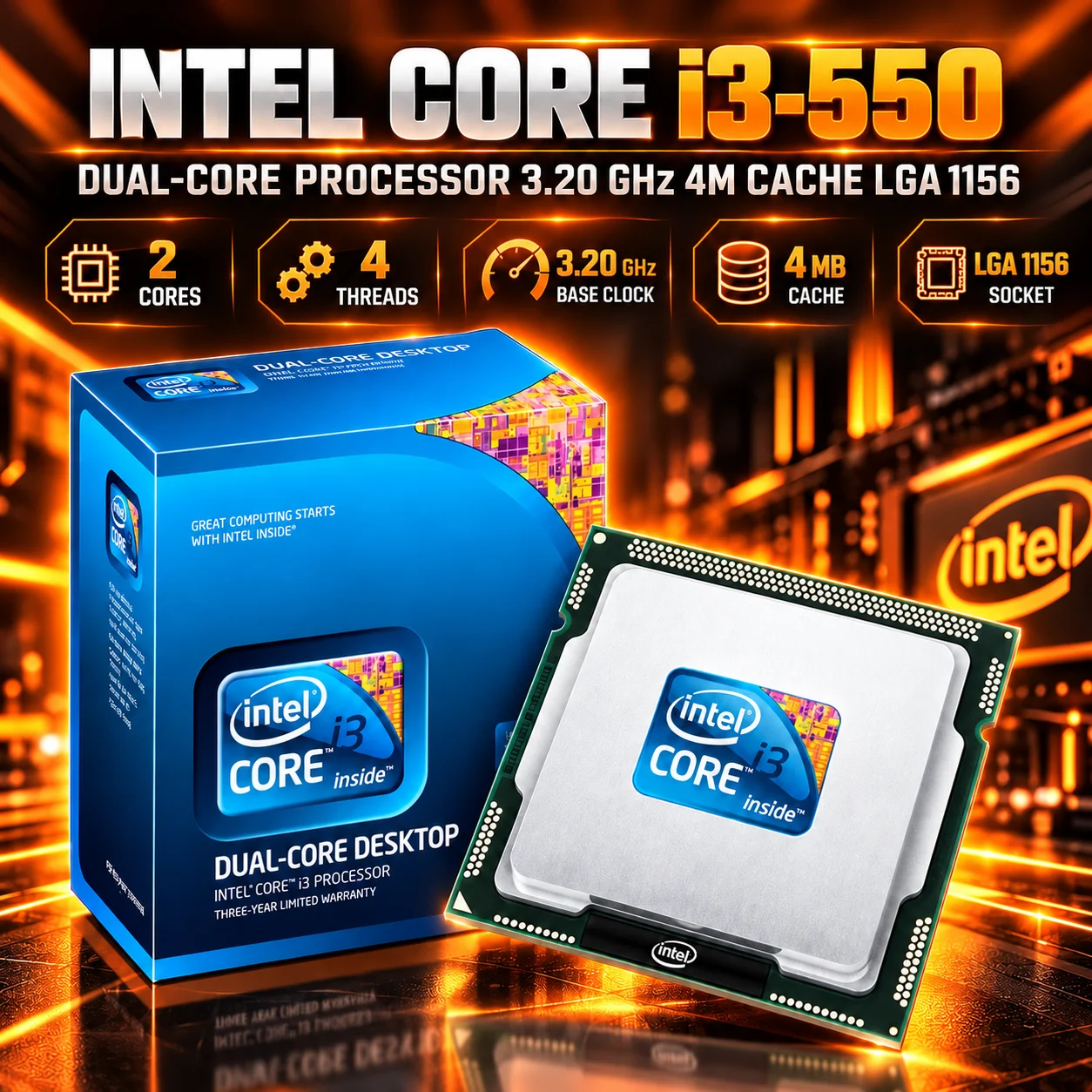
Intel Core i3-550 Dual-Core Processor 3.20 GHz 4M Cache LGA 1156
- 3.20 GHz Dual-Core Clock Speed for Reliable Everyday Computing
- Intel Hyper-Threading Technology Enabling 4 Parallel Threads
- Built-in Intel HD Graphics for Integrated Display Support
- 4 MB Intel Smart Cache for Faster Data Processing
- Supports Up to 16 GB Dual-Channel DDR3 Memory
- Versatile Compatibility with Intel H55, H57, Q57, and P55 Chipsets
*Approximate regional retail guide prices. Pixahunt is an informational catalog.
CPU Benchmark Scores & Performance Analysis
TESTEDCinebench R23, Geekbench 6, PassMark CPU Mark scores & real-world gaming/office suitability tests.
Technical Specifications
Comprehensive hardware architecture and specifications
General
| Series |
Core i3 (1st Gen)
Selected Variant
|
| Model |
i3-550
Selected Variant
|
| Cpu Cooler |
Not Included
Selected Variant
|
| Code-Name |
Clarkdale
Selected Variant
|
| Generation |
1st Gen
Selected Variant
|
| Sockets Supported |
LGA 1156
Selected Variant
|
| Release Date |
May 30, 2010
Selected Variant
|
Performance
| Base Frequency |
3.20 GHz
Selected Variant
|
| Turbo Frequency Max. |
N/A
Selected Variant
|
| Core |
2
Selected Variant
|
| Threads |
4
Selected Variant
|
| CPU Cache |
4 MB Intel Smart Cache
Selected Variant
|
| L1 Cache |
64 KB (32 KB instruction + 32 KB data per core)
Selected Variant
|
| L2 Cache |
512 KB per core
Selected Variant
|
| L3 Cache |
4 MB
Selected Variant
|
| TDP |
73W
Selected Variant
|
| Lithography |
32nm
Selected Variant
|
| Multiplier |
24.0x
Selected Variant
|
| Multiplier Unlocked |
No
Selected Variant
|
| Processor Type. |
Desktop Processor (2 Cores, 4 Threads)
Best for: Basic Office Work, Web Browsing & Media Playback Selected Variant |
Memory Support
| Memory Max. |
16 GB
Selected Variant
|
| Memory Type |
DDR3 1066/1333
Selected Variant
|
| Memory Speed |
Up to 1333 MT/s
Selected Variant
|
| Memory Channel |
2
Selected Variant
|
| Max Memory Bandwidth |
21 GB/s
Selected Variant
|
| ECC Memory Supported |
No
Selected Variant
|
Graphics
| Built-in GPU |
Yes
Selected Variant
|
| Processor Graphics |
Intel HD Graphics
Selected Variant
|
| Graphics Base Frequency |
733 MHz
Selected Variant
|
| Graphics Dynamic Frequency |
733 MHz
Selected Variant
|
| Graphics Core Count |
N/A
Selected Variant
|
| Max Video Memory |
1.74 GB
Selected Variant
|
| Max Resolution |
N/A
Selected Variant
|
Technical Info
| DirectX Support |
10
Selected Variant
|
| OpenGL Support |
2.1
Selected Variant
|
| Approx. Power Consumption |
73W
Selected Variant
|
| Compatible Products / Chipsets |
Intel H55, H57, Q57, P55 Express Chipsets
Selected Variant
|
| PCI Express Version |
PCIe 2.0
Selected Variant
|
| PCI Express Lanes |
16
Selected Variant
|
| Thermal Solution (MPK / Box) |
Standard Fan Heatsink
Selected Variant
|
| Max. Operating Temperature (Tjmax) |
72.6°C
Selected Variant
|
Warranty
| Manufacturing Warranty |
3 Years
Selected Variant
|
Additional Info
| Specialty |
Intel Hyper-Threading Technology, Intel Virtualization Technology (VT-x), Intel 64
Selected Variant
|
| Others |
Instruction Set 64-bit
Selected Variant
|
| Country Of Origin |
USA
Selected Variant
|
| Made in/ Assemble |
China / Malaysia
Selected Variant
|
Editorial Overview & Review
In-depth insights, architecture summary, and performance evaluation
Introduction & Overview
Step back in time to the dawn of mainstream multi-threading with the Intel Core i3-550, a defining processor of the first-generation Core series. Built on Intel's innovative 32nm Clarkdale microarchitecture and engineered for the LGA 1156 socket, this dual-core processor was strategically targeted at budget-conscious mainstream desktop users, home offices, and casual multitaskers. At a time when the computing world was rapidly transitioning from single and dual-core setups to more dynamic thread management, the i3-550 carved out a reputation as a reliable, highly accessible entry point into modern desktop computing.
Architecture, Performance & Key Technologies
Beneath its modest exterior, the Intel Core i3-550 packs a punch driven by efficient engineering. Operating at a brisk base frequency of 3.20 GHz across 2 physical cores and 4 threads—enabled by Intel’s game-changing Hyper-Threading Technology—this processor handles concurrent instruction streams with surprising agility. It features 4 MB of Intel Smart Cache, paired with dedicated L1 and L2 caches (64 KB and 512 KB per core respectively), ensuring low-latency data access for everyday applications.
One of the hallmark engineering feats of the Clarkdale generation was the integration of graphics onto the processor package itself. The i3-550 includes Intel HD Graphics clocked at a steady 733 MHz, alongside a memory controller supporting dual-channel DDR3-1066/1333 RAM with up to 21 GB/s of bandwidth. Operating at a modest Thermal Design Power (TDP) of 73W, it strikes a respectable balance between performance and energy consumption within a 32nm lithography framework.
- Intel Hyper-Threading Technology: Allows each physical core to work on two tasks simultaneously, boosting responsiveness in threaded software.
- Integrated Graphics: Built-in Intel HD Graphics eliminates the immediate need for a discrete GPU for basic display outputs and media playback.
- Virtualization (VT-x): Hardware-level support for running virtual machines securely and efficiently.
- Chipset Compatibility: Pairs seamlessly with Intel H55, H57, Q57, and P55 Express chipsets.
Real-World Use Cases
How does the i3-550 hold up in day-to-day scenarios? In productivity environments, this processor excels. Handling office suites, heavy web browsing with dozens of tabs open, email clients, and administrative software is a breeze. Thanks to Hyper-Threading, jumping between a spreadsheet, a video conference, and a background file extraction feels fluid and interruption-free.
When it comes to casual gaming and multimedia, the i3-550 shines for its era. While its integrated Intel HD Graphics (supporting DirectX 10 and OpenGL 2.1) is limited by modern standards, pairing the processor with a modest discrete graphics card via its PCIe 2.0 interface unlocks solid performance for esports titles and retro gaming favorites. Content creation is limited by the dual-core design, though light photo editing and casual 1080p media consumption remain well within its operational comfort zone.
Strengths & Potential Considerations
Every piece of hardware has its high points and limitations. Here is a balanced look at what makes the Core i3-550 notable:
- Pros:
- Strong stock 3.20 GHz clock speed providing brisk single-threaded responsiveness.
- Hyper-Threading technology brings 4 threads to an entry-level dual-core tier.
- Energy-efficient 73W TDP footprint.
- Reliable platform stability on LGA 1156 motherboards with robust chipset support (H55, P55, etc.).
- On-processor graphics capability for simple, cost-effective system builds.
- Cons:
- No Intel Turbo Boost technology—frequency remains capped at 3.20 GHz out of the box.
- Strictly capped at 16 GB of maximum memory support.
- Dated graphics API support (DirectX 10 / OpenGL 2.1) unsuitable for modern gaming without a dedicated GPU.
- Fixed 24.0x multiplier with an unlocked multiplier feature absent, limiting overclocking headroom.
Final Buying Verdict
The Intel Core i3-550 stands as a monument to a pivotal era in consumer silicon evolution. While modern multi-core processors have far surpassed its capabilities, the i3-550 remains a legendary workhorse. It is an ideal component for retro-PC enthusiasts, ultra-budget secondary builds for basic desktop tasks, or office workstations focused purely on reliability and productivity. If your computing needs are anchored in everyday multitasking, web navigation, and legacy application compatibility, this classic Clarkdale processor still delivers dependable, honest performance.
OUR RATING CONSENSUS
The overall rating is based on review by our experts & industry benchmark suites
Quick Snapshot
- Overall Rating
- 4.6 / 10
- Brand
- Intel
- Category
- Processor
- Catalog Model
- i3-550
- Status
- Published
- Release Date
- May 30, 2010
Pixahunt Tech Community
Connect with hardware enthusiasts, compare benchmarks, and explore real user setups.
Explore Full Newsfeed →Related Gadgets
- 2 cores and 4 threads with Intel Hyper-Threading Technology
- 3.10 GHz base processor frequency
- 3 MB Intel Smart Cache
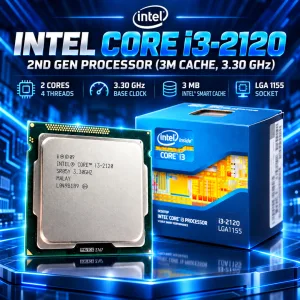
- 2 Cores and 4 Threads with Intel Hyper-Threading Technology
- 3.30 GHz Base Clock Frequency with 3 MB Intel Smart Cache
- Includes Intel HD Graphics 2000 integrated graphics
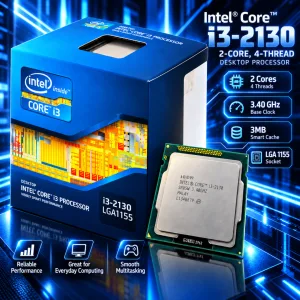
- 2 cores and 4 threads with Intel Hyper-Threading Technology
- 3.40 GHz processor base frequency with 3 MB Intel Smart Cache
- Integrated Intel HD Graphics 2000
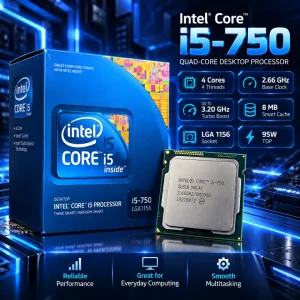
- 4 cores and 4 threads for solid multi-tasking performance
- 2.66 GHz base frequency with Intel Turbo Boost up to 3.20 GHz
- 8 MB Intel Smart Cache for rapid data access
Compare i3-550 with Similar Processor
Real-world benchmark differences, TDP energy consumption, pros & cons, and market pricing in Bangladesh.