

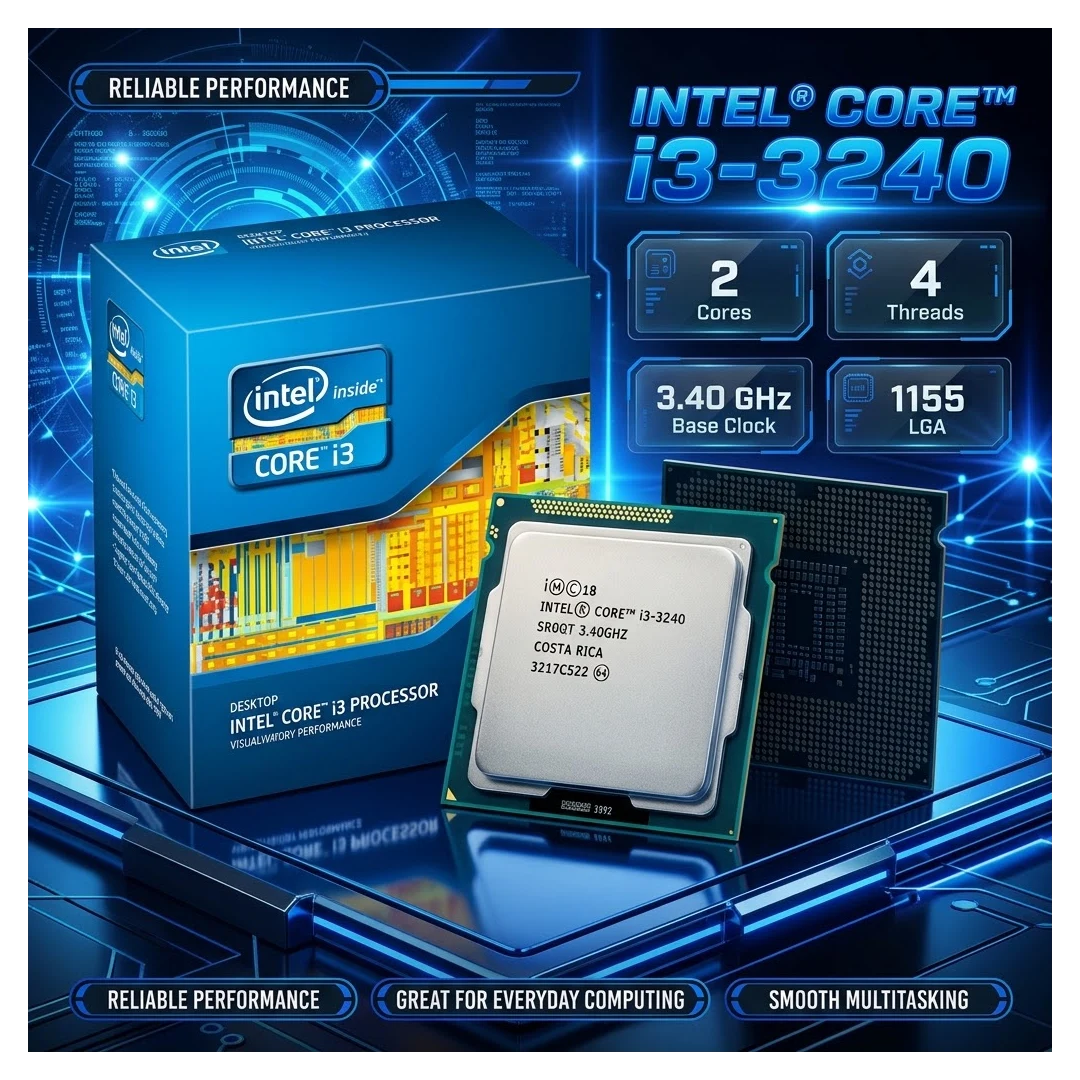
Intel Core i3-3240 3.40 GHz Dual-Core Desktop Processor
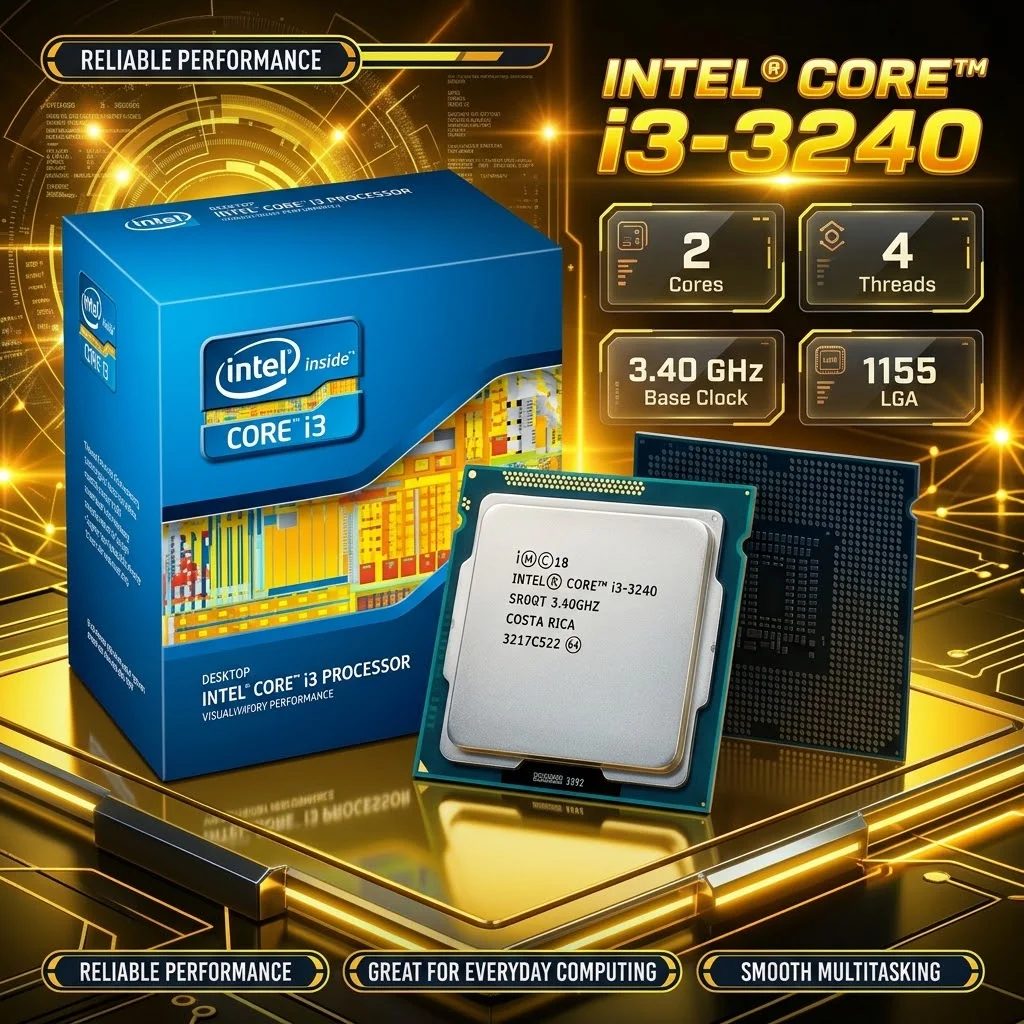
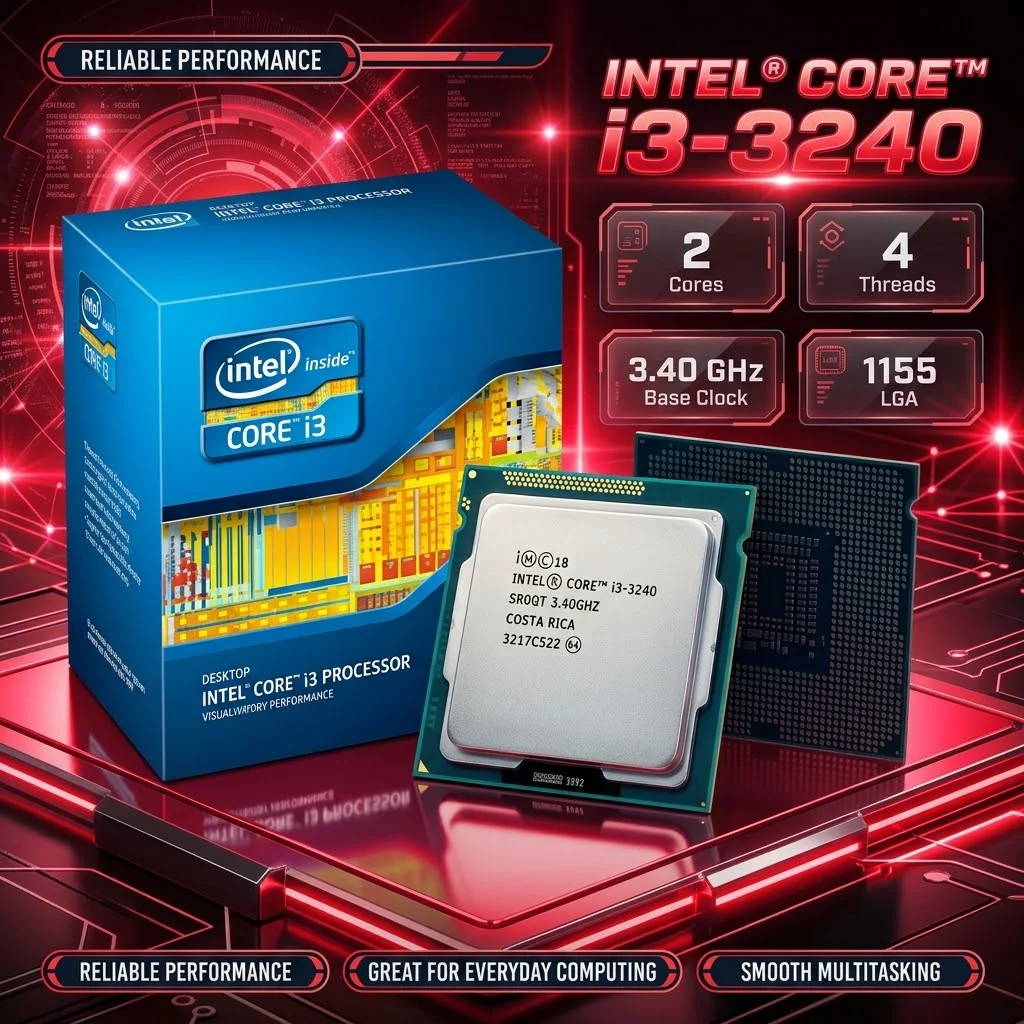
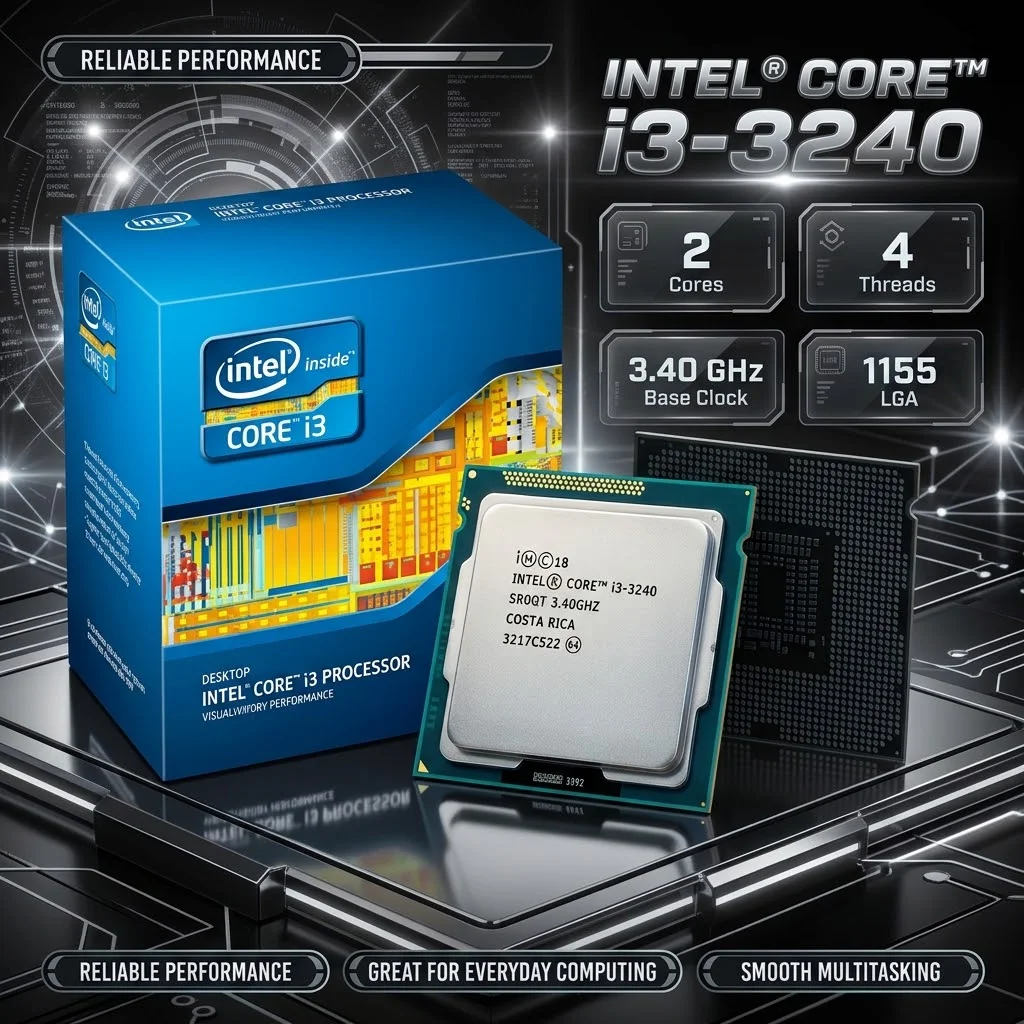
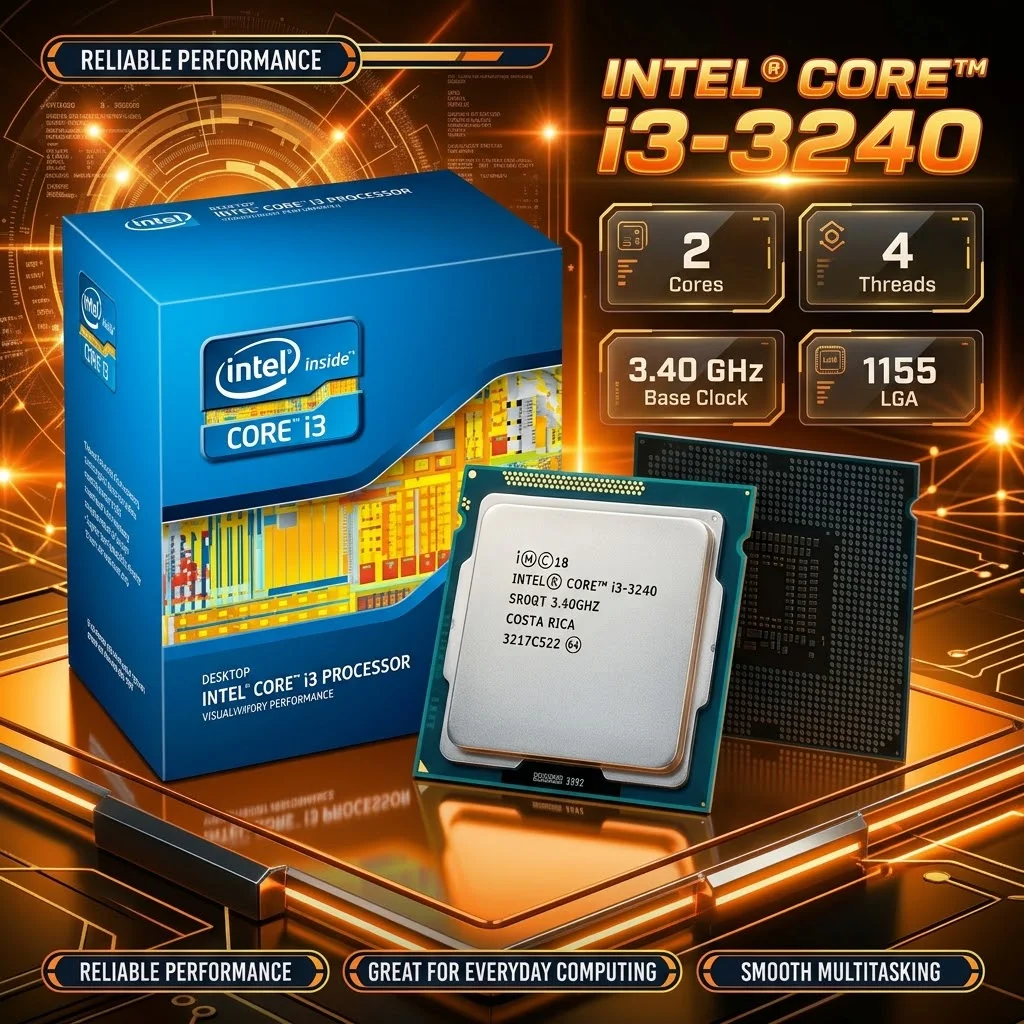
- Dual-core performance with 4 threads for smooth multitasking
- 3.40 GHz base frequency for reliable everyday speed
- Intel HD Graphics 2500 for built-in visual processing
- Energy-efficient 55W TDP for lower power consumption
- Supports up to 32 GB of DDR3 memory
- Includes Intel Hyper-Threading and Virtualization Technology
*Approximate regional retail guide prices. Pixahunt is an informational catalog.
CPU Benchmark Scores & Performance Analysis
TESTEDCinebench R23, Geekbench 6, PassMark CPU Mark scores & real-world gaming/office suitability tests.
Technical Specifications
Comprehensive hardware architecture and specifications
General
| Series | Core i3 |
| Model | i3-3240 |
| Cpu Cooler | Not Included |
| Code-Name | Ivy Bridge |
| Generation | 3rd Gen |
| Sockets Supported | FCLGA1155 |
Performance
| Base Frequency | 3.40 GHz |
| Turbo Frequency Max. | N/A |
| Core | 2 |
| Threads | 4 |
| CPU Cache | 3 MB Intel Smart Cache |
| L1 Cache | 64 KB per core |
| L2 Cache | 256 KB per core |
| L3 Cache | 3 MB shared |
| TDP | 55W |
| Lithography | 22 nm |
| Multiplier | 34.0x |
| Multiplier Unlocked | No |
| Processor Type | Core i3 |
Memory Support
| Memory Max. | 32 GB |
| Memory Type | DDR3 1333/1600 |
| Memory Speed | Up to 1600 MT/s |
| Memory Channel | 2 |
| Max Memory Bandwidth | 25.6 GB/s |
| ECC Memory Supported | No |
Graphics
| Built-in GPU | Yes |
| Processor Graphics | Intel HD Graphics 2500 |
| Graphics Base Frequency | 650 MHz |
| Graphics Dynamic Frequency | 1.05 GHz |
| Graphics Core Count | N/A |
| Max Video Memory | N/A |
| Max Resolution | N/A |
Technical Info
| DirectX Support | N/A |
| OpenGL Support | N/A |
| Approx. Power Consumption | 55W |
| Compatible Products / Chipsets | Intel 7 Series Chipset |
| PCI Express Version | 2.0 |
| PCI Express Lanes | Up to 1x16, 2x8, 1x8 & 2x4 |
| Thermal Solution (MPK / Box) | 2011C |
| Max. Operating Temperature (Tjmax) | 65.3°C |
Warranty
| ManufacturingWarranty | N/A |
Additional Info
| Specialty | Intel Hyper-Threading Technology, Intel Virtualization Technology (VT-x) |
| Others | Discontinued Product |
| Country Of Origin | N/A |
| Made in/ Assemble | N/A |
Editorial Overview & Review
In-depth insights, architecture summary, and performance evaluation
Introduction & Overview
Stepping back into the annals of desktop computing history, the Intel Core i3-3240 represents a defining era of mainstream processor design. Belonging to Intel’s legendary 3rd Generation of processors—famously codenamed Ivy Bridge—this desktop CPU was engineered to hit the sweet spot for budget-conscious home users, students, and office environments. Built for the FCLGA1155 socket ecosystem and paired typically with Intel 7-series chipsets, the i3-3240 carved out a reputation as a dependable, highly efficient workhorse that brought multi-threaded responsiveness to the masses without breaking the bank.
While officially a discontinued product in modern computing timelines, examining the i3-3240 reveals a masterclass in value engineering for its era. It targeted everyday consumers who needed snappy web browsing, reliable document editing, and light multimedia consumption, laying down a robust foundation for standard desktop towers a decade ago.
Architecture, Performance & Key Technologies
At the heart of the Intel Core i3-3240 is a refined 22-nanometer lithography process, a significant architectural leap forward from previous generations that yielded better power efficiency and transistor density. The processor features 2 physical cores and 4 threads, leveraging Intel’s signature Hyper-Threading Technology to handle concurrent tasks with notable grace.
- Clock Speed: Operates at a fixed base frequency of 3.40 GHz (with a 34.0x multiplier), though it lacks a Turbo Frequency Max. feature.
- Cache: Equipped with 3 MB of shared Intel Smart Cache, alongside dedicated L1 and L2 caches per core to reduce memory latency.
- Thermal Design Power (TDP): Boasts a remarkably modest 55W power envelope, making it easy to cool and gentle on electricity bills.
- Memory Support: Handles up to 32 GB of dual-channel DDR3 memory at speeds up to 1600 MT/s, delivering a maximum memory bandwidth of 25.6 GB/s.
- Integrated Graphics: Features onboard Intel HD Graphics 2500, clocking with a base frequency of 650 MHz and scaling up to a dynamic 1.05 GHz for basic display outputs and media playback.
Furthermore, the inclusion of Intel Virtualization Technology (VT-x) ensures that the processor can handle basic hardware virtualization tasks securely, while the PCIe 2.0 controller provides adequate bandwidth for discrete graphics cards and peripheral expansion.
Real-World Use Cases
How does the i3-3240 translate raw specs into daily usability? In standard office and productivity scenarios—such as managing heavy spreadsheets, typing documents, multi-tabbed web browsing, and running enterprise communication tools—this processor performs remarkably well. The 3.40 GHz clock speed ensures that single-threaded applications feel snappy and responsive.
When it comes to entertainment, the integrated Intel HD Graphics 2500 effortlessly handles high-definition video streaming, everyday media consumption, and multi-monitor setups. For casual gamers who paired the chip with a modest entry-level discrete GPU of its era, the i3-3240 served as a capable companion for eSports titles (like League of Legends or CS:GO) and older legacy game catalogs. However, heavy content creation, modern AAA gaming, and intensive video rendering push its dual-core architecture past its comfort zone.
Strengths & Potential Considerations
Every piece of hardware has its high points and limitations, especially when viewed through a modern lens:
- Pros:
- Low 55W TDP ensures minimal heat output and energy efficiency.
- Hyper-Threading (4 threads) delivers exceptional multitasking responsiveness for basic workloads.
- Solid reliability and durability inherent to the Ivy Bridge generation.
- Straightforward installation on widespread FCLGA1155 motherboards.
- Cons:
- Discontinued product; finding components requires looking at the used or secondary market.
- Lacks an unlocked multiplier, offering zero overclocking headroom.
- No Turbo Boost technology, meaning it is locked to its 3.40 GHz base clock.
- Obsolete for modern, heavy AAA gaming and intensive professional workloads (like 4K video editing).
Final Buying Verdict
The Intel Core i3-3240 remains a nostalgic and historically significant milestone in desktop computing. For the average consumer looking at brand-new retail components, it has long been surpassed by modern multi-core architectures. However, for enthusiasts building budget retro-gaming rigs, ultra-affordable home office terminals, or replacement parts for legacy systems currently utilizing Intel 7-series motherboards, the i3-3240 still holds a unique niche. It is a testament to Intel's durable engineering—offering dependable, straightforward computing for anyone seeking to revive older hardware.
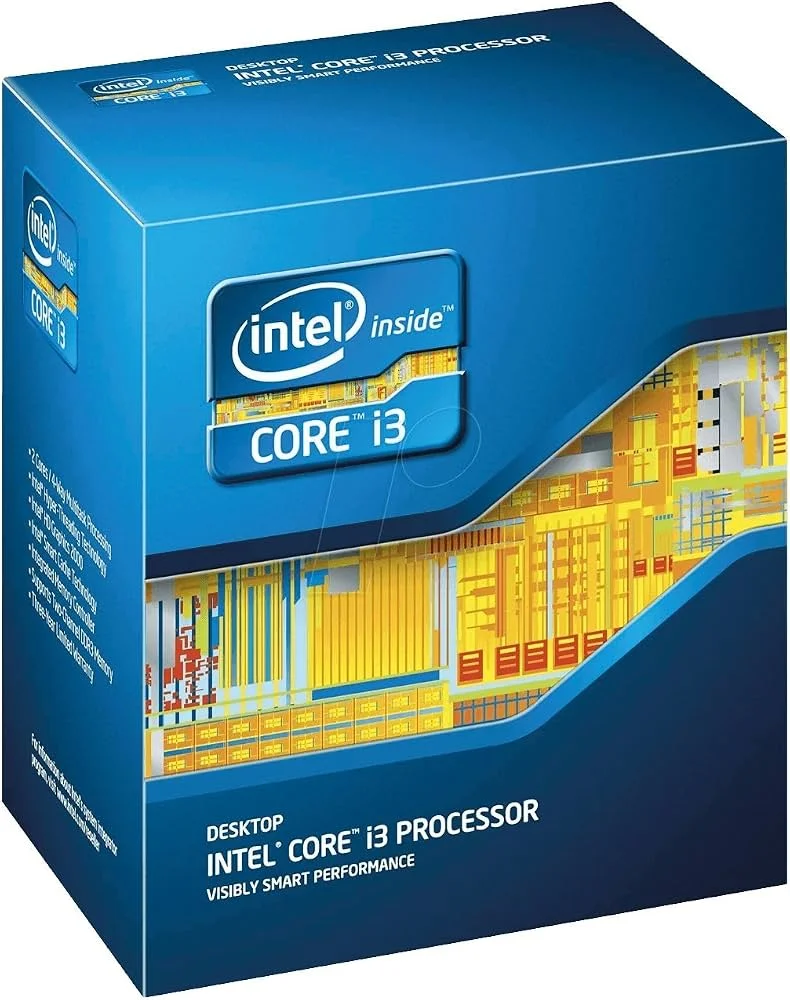
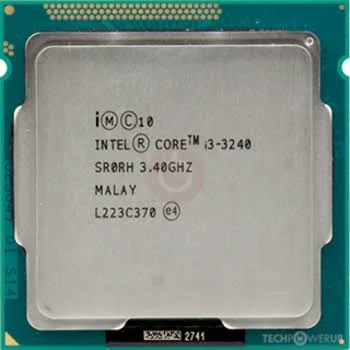
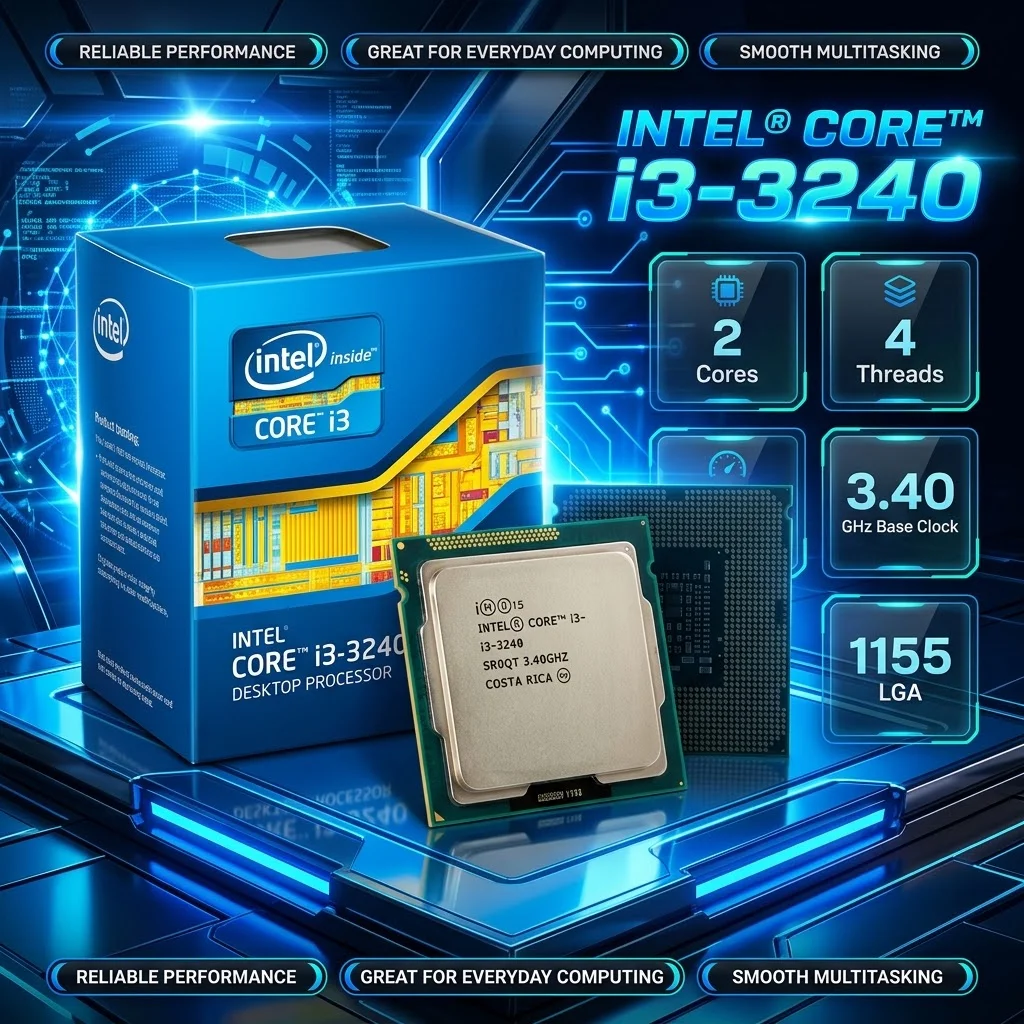
OUR RATING CONSENSUS
The overall rating is based on review by our experts & industry benchmark suites
Quick Snapshot
- Overall Rating
- 4.8 / 10
- Brand
- Intel
- Category
- Processor
- Catalog Model
- i3-3240
- Status
- Published
- Release Date
- Oct 10, 2026
Pixahunt Tech Community
Connect with hardware enthusiasts, compare benchmarks, and explore real user setups.
Explore Full Newsfeed →Related Gadgets
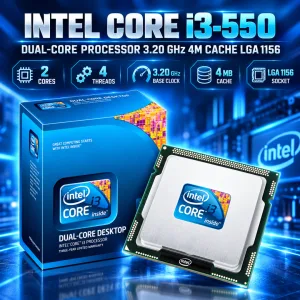
- 3.20 GHz Dual-Core Clock Speed for Reliable Everyday Computing
- Intel Hyper-Threading Technology Enabling 4 Parallel Threads
- Built-in Intel HD Graphics for Integrated Display Support
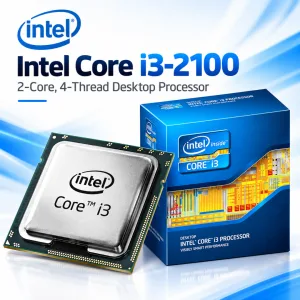
- 2 cores and 4 threads with Intel Hyper-Threading Technology
- 3.10 GHz base processor frequency
- 3 MB Intel Smart Cache
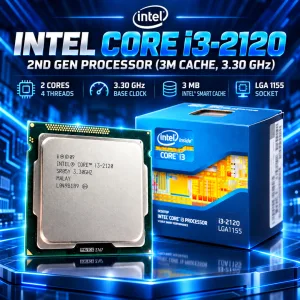
- 2 Cores and 4 Threads with Intel Hyper-Threading Technology
- 3.30 GHz Base Clock Frequency with 3 MB Intel Smart Cache
- Includes Intel HD Graphics 2000 integrated graphics
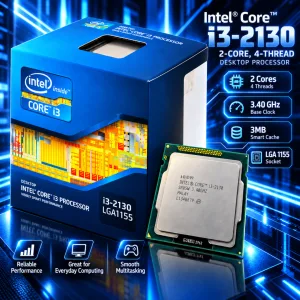
- 2 cores and 4 threads with Intel Hyper-Threading Technology
- 3.40 GHz processor base frequency with 3 MB Intel Smart Cache
- Integrated Intel HD Graphics 2000