

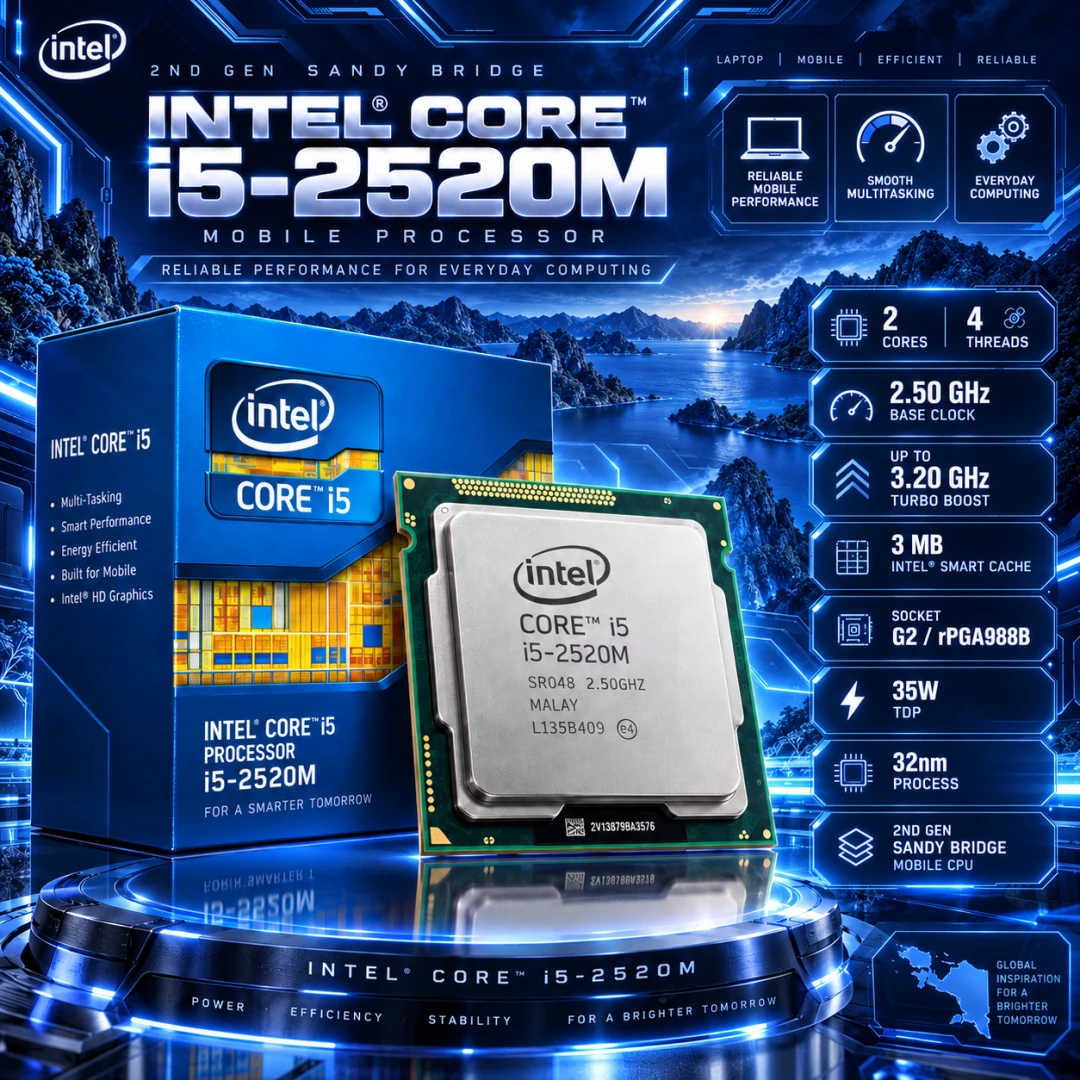
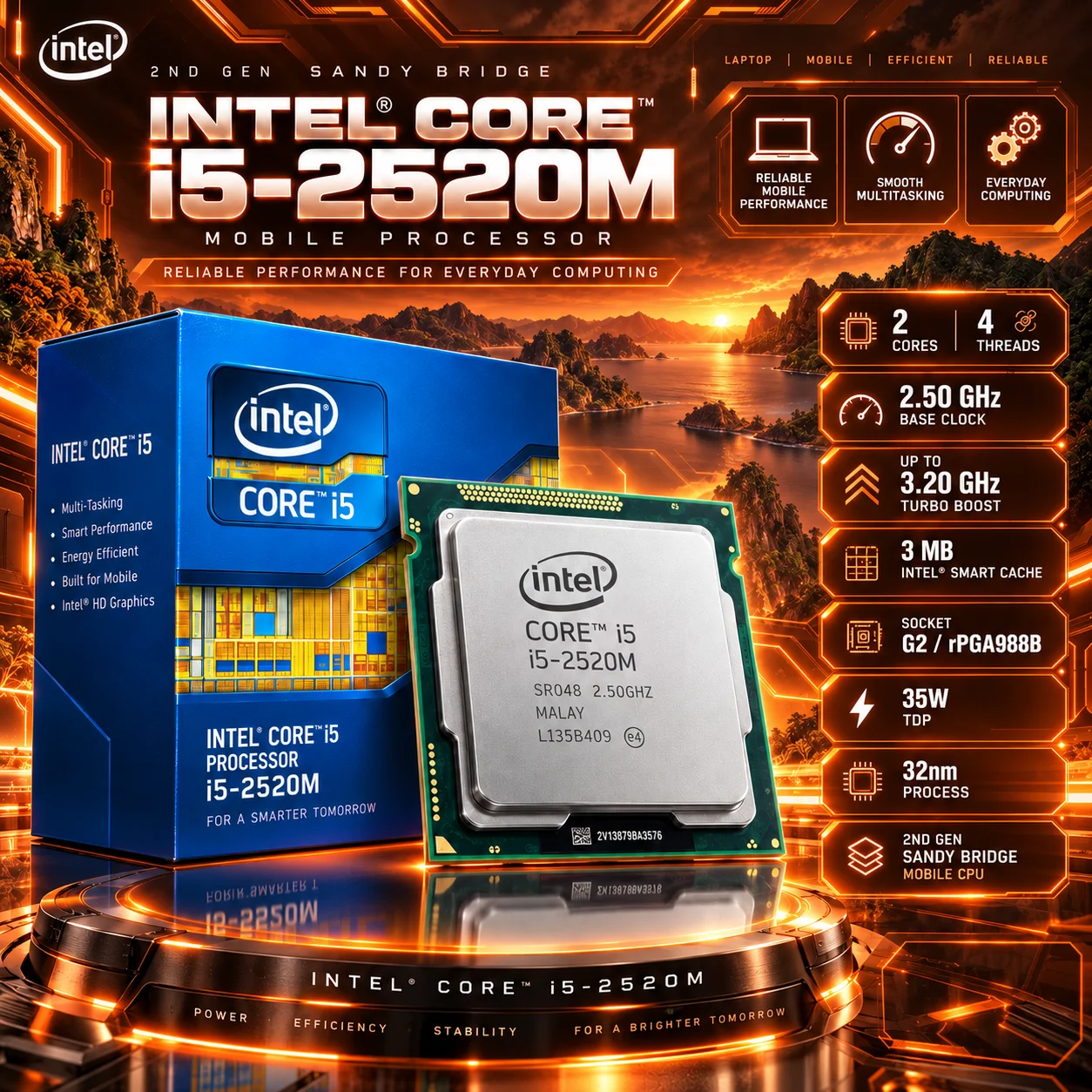
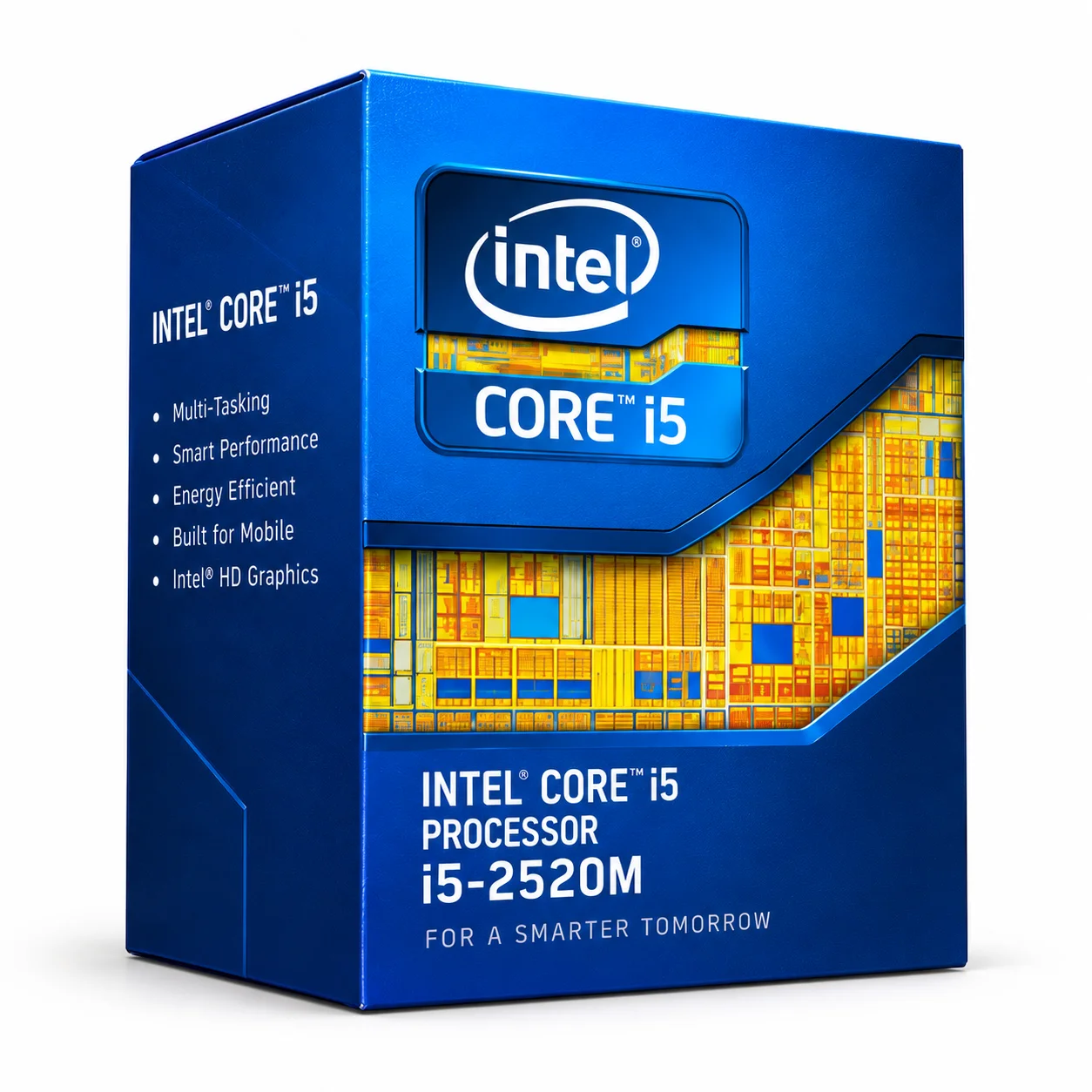
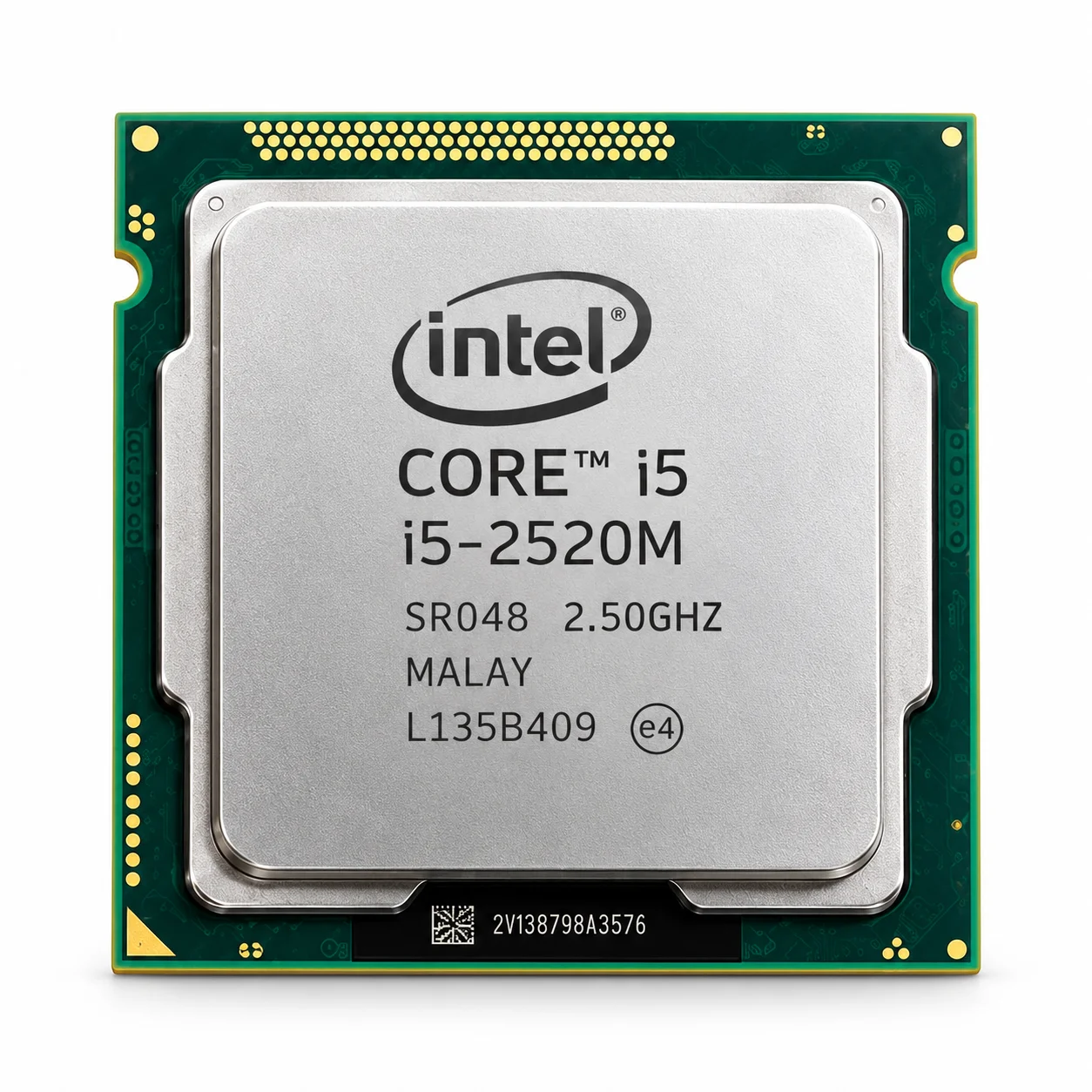
Intel Core i5-2520M 2.50 GHz Dual-Core Mobile Processor
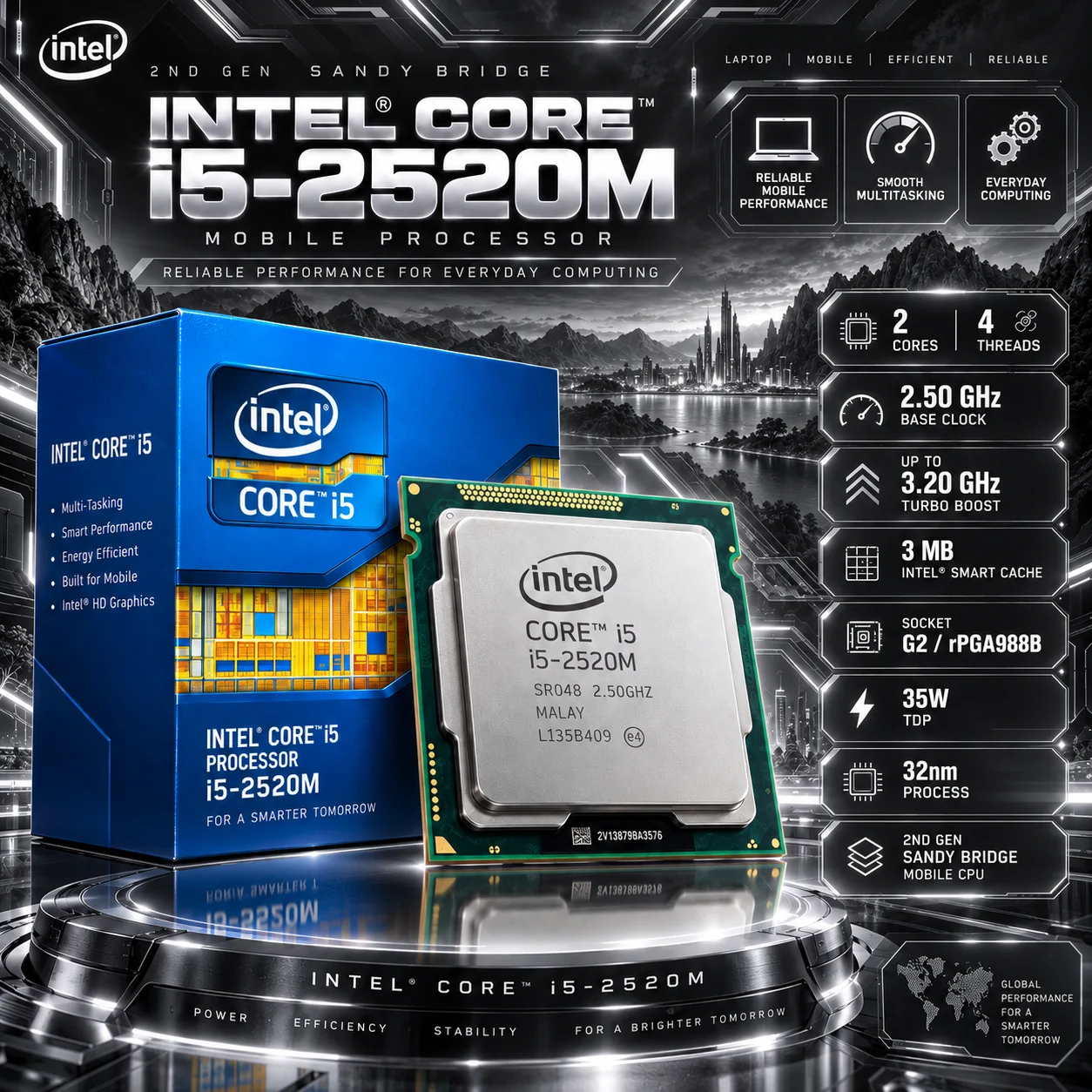
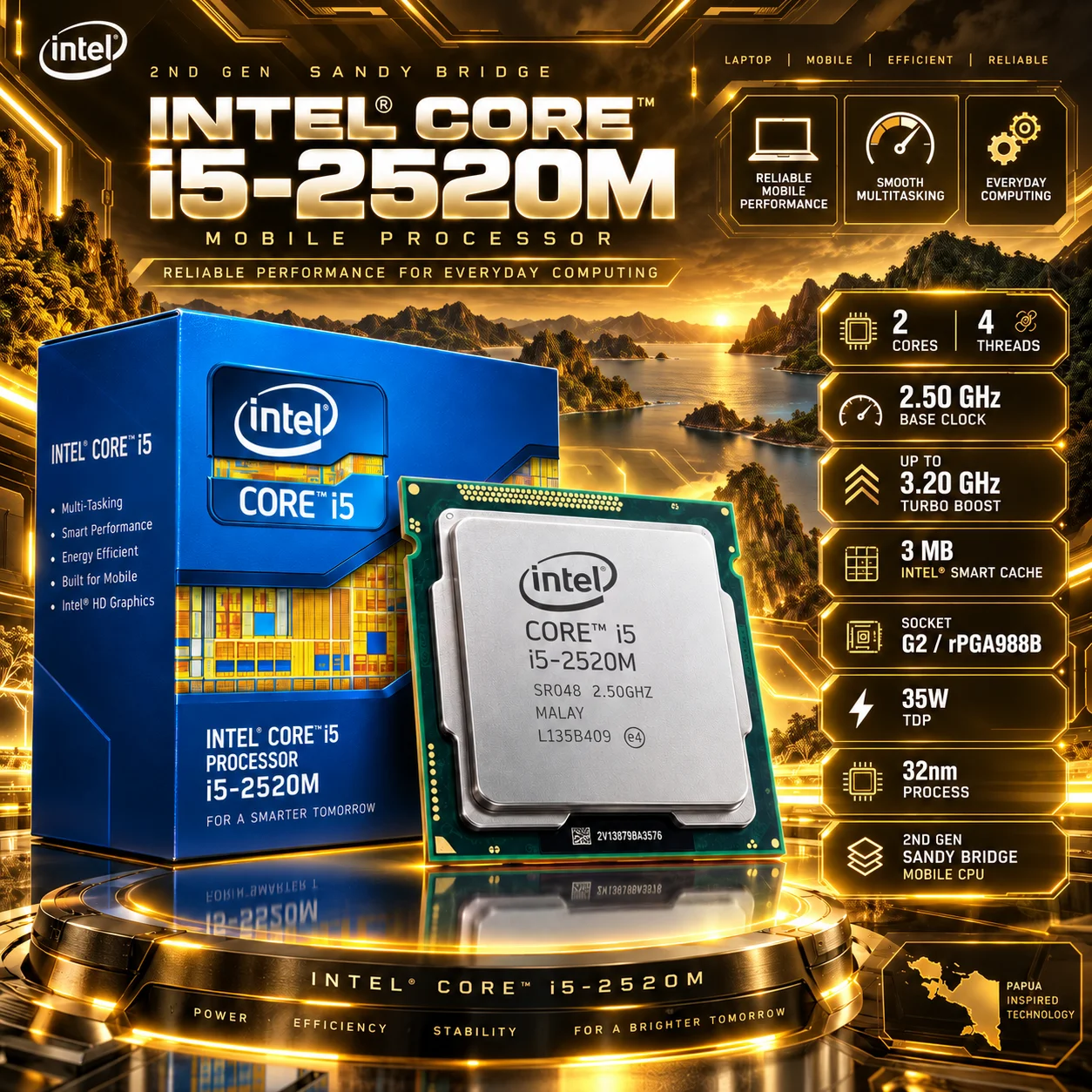
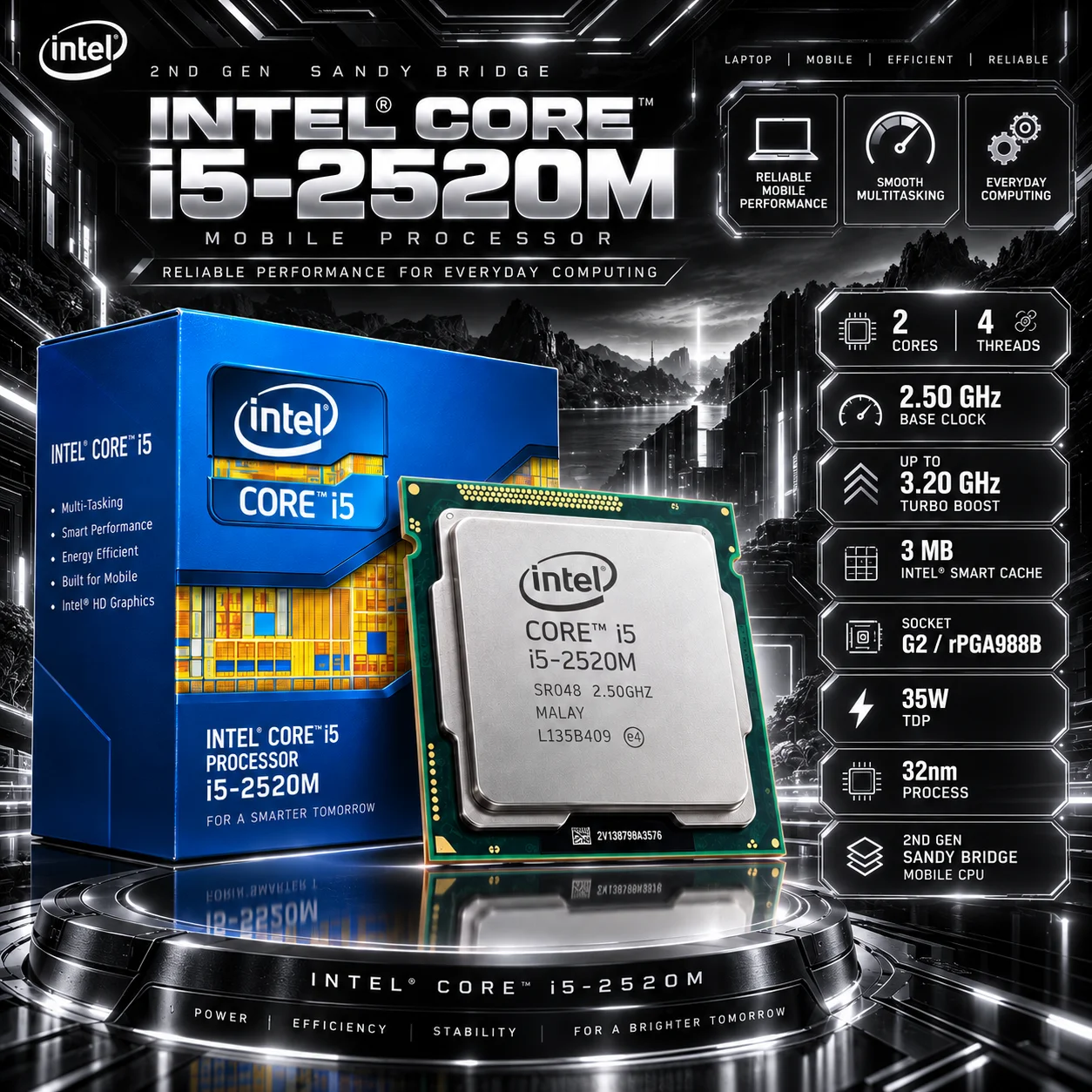
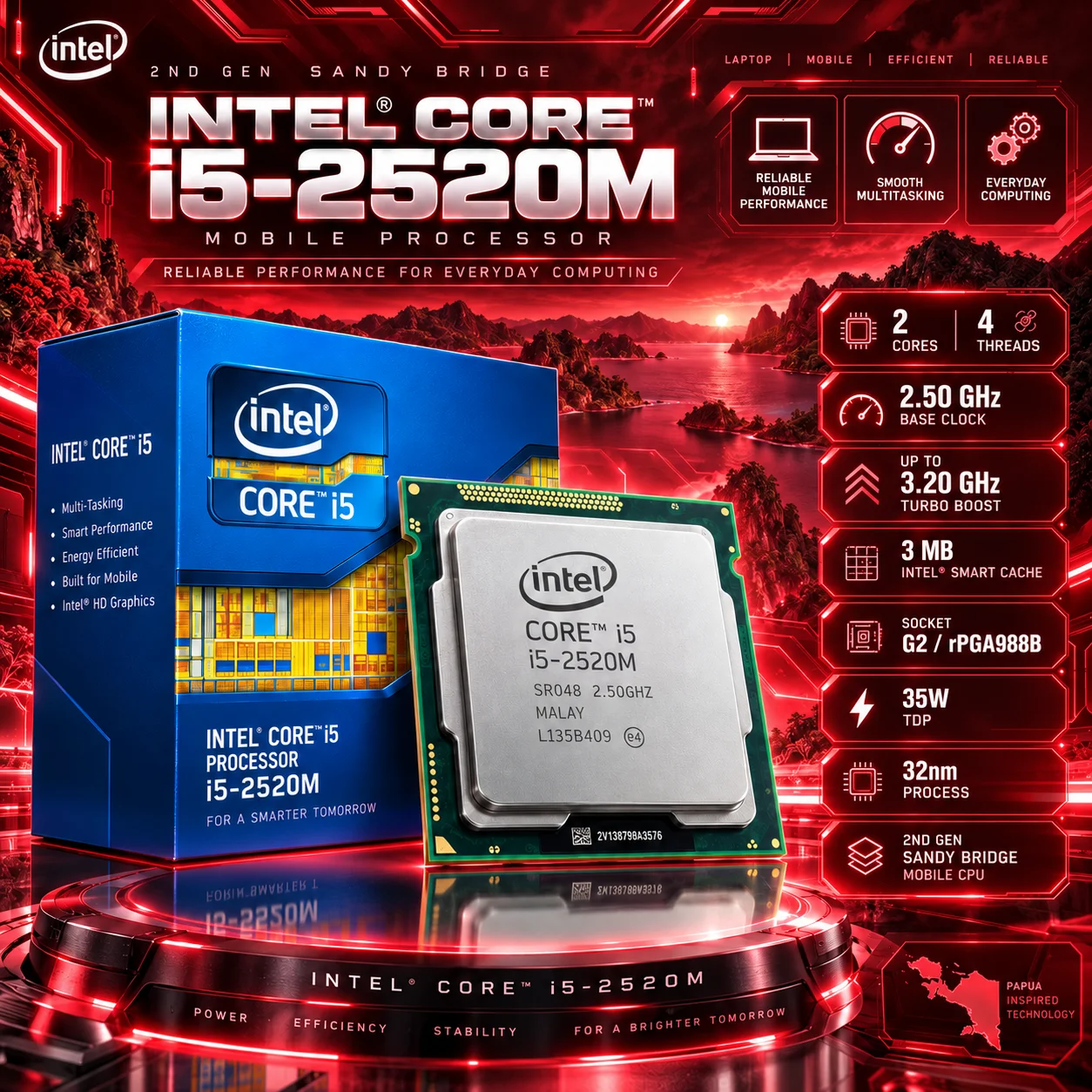
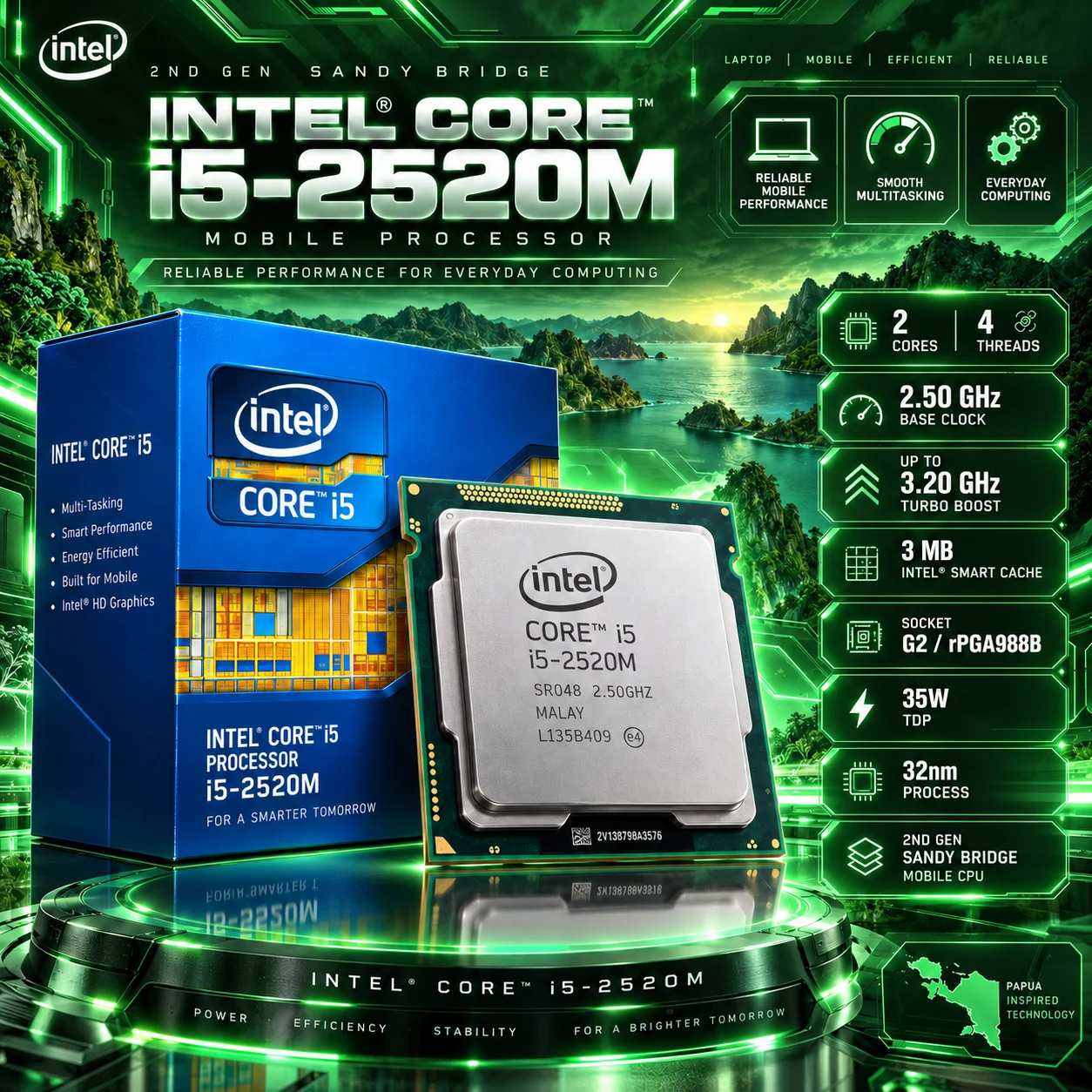
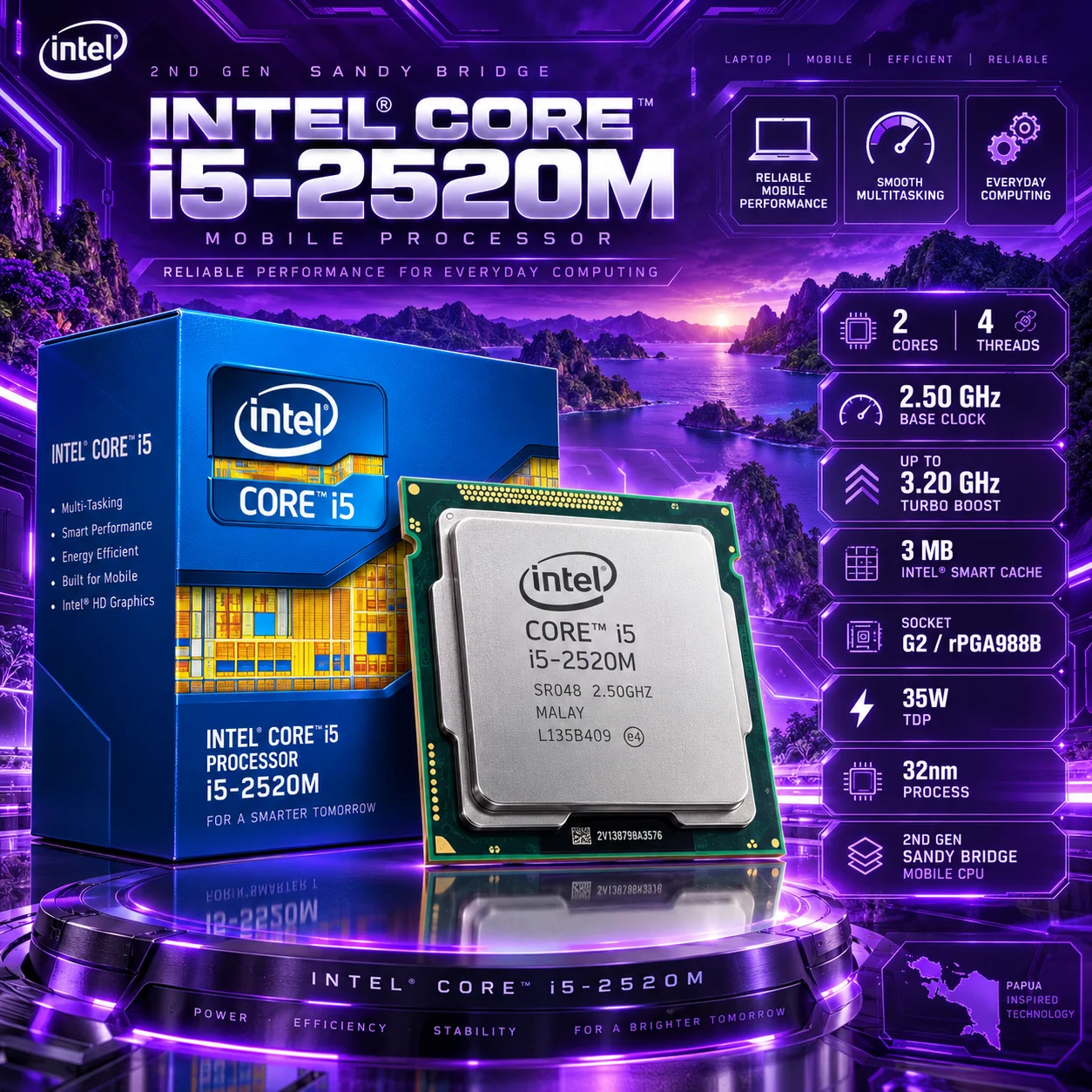
- 2 Cores and 4 Threads with Intel Hyper-Threading Technology
- 2.50 GHz base frequency with up to 3.20 GHz max turbo frequency
- 3 MB Intel Smart Cache with 32 nm lithography
- Integrated Intel HD Graphics 3000
*Approximate regional retail guide prices. Pixahunt is an informational catalog.
CPU Benchmark Scores & Performance Analysis
TESTEDCinebench R23, Geekbench 6, PassMark CPU Mark scores & real-world gaming/office suitability tests.
Technical Specifications
Comprehensive hardware architecture and specifications
General
| Series | Core i5 |
| Model | i5-2520M |
| Cpu Cooler | Not Included |
| Code-Name | Sandy Bridge |
| Generation | 2nd Gen |
| Sockets Supported | PPGA988, BGA1023 |
Performance
| Base Frequency | 2.50 GHz |
| Turbo Frequency Max. | 3.20 GHz |
| Core | 2 |
| Threads | 4 |
| CPU Cache | 3 MB |
| L1 Cache | 64 KB |
| L2 Cache | 512 KB |
| L3 Cache | 3 MB |
| TDP | 35W |
| Lithography | 32 nm |
| Multiplier | 25.0x |
| Multiplier Unlocked | No |
| Processor Type | Core i5 |
Memory Support
| Memory Max. | 16 GB |
| Memory Type | DDR3 1066/1333 |
| Memory Speed | Up to 1333 MT/s |
| Memory Channel | 2 |
| Max Memory Bandwidth | 21.3 GB/s |
| ECC Memory Supported | No |
Graphics
| Built-in GPU | Yes |
| Processor Graphics | Intel HD Graphics 3000 |
| Graphics Base Frequency | 650 MHz |
| Graphics Dynamic Frequency | 1.30 GHz |
| Graphics Core Count | N/A |
| Max Video Memory | Shared |
| Max Resolution | eDP/DP/HDMI/SDVO/CRT |
Technical Info
| DirectX Support | 10.1 |
| OpenGL Support | 3.1 |
| Approx. Power Consumption | 35W |
| Compatible Products / Chipsets | Intel QM67, HM65, HM67, QS67 |
| PCI Express Version | 2.0 |
| PCI Express Lanes | 16 |
| Thermal Solution (MPK / Box) | Not Included |
| Max. Operating Temperature (Tjmax) | 100°C |
Warranty
| Manufacturing Warranty | Discontinued Product (No active warranty) |
Additional Info
| Specialty | Intel vPro, Intel Turbo Boost 2.0, Intel Hyper-Threading, Intel Quick Sync Video |
| Others | 64-bit Instruction Set, Intel AVX, VT-x, VT-d |
| Country Of Origin | USA |
| Made in/ Assemble | China / Malaysia |
Editorial Overview & Review
In-depth insights, architecture summary, and performance evaluation
Introduction & Overview: The Workhorse of an Era
When Intel launched its 2nd Generation Core processor lineup—famously codenamed Sandy Bridge—it fundamentally shifted what consumers could expect from mainstream mobile computing. Sitting proudly in this legendary generation is the Intel Core i5-2520M, a mobile processor built to balance robust daily performance, enterprise-grade manageability, and respectable power efficiency.
Targeted squarely at business professionals, mobile workstation users, and everyday power users, the i5-2520M quickly became a staple in laptops during the early 2010s. Utilizing the PPGA988 and BGA1023 sockets, this dual-core chip was engineered to slide seamlessly into mainstream notebooks paired with chipsets like the Intel QM67, HM65, HM67, and QS67. While it is now a legacy product with discontinued manufacturing status, examining its architecture reveals why so many devices powered by this chip are still fondly remembered—and in some cases, still kicking around today.
Architecture, Performance & Key Technologies: Engineering for Efficiency
At its core, the i5-2520M is built upon a 32nm lithography process. While modern processors measure in single-digit nanometers, 32nm was a massive leap forward for thermal and computational efficiency at the time, helping the processor maintain a modest 35W TDP (Thermal Design Power). This thermal ceiling made it an ideal fit for standard 14-inch and 15.6-inch laptop chassis without requiring obnoxious cooling solutions.
Performance-wise, the processor features 2 physical cores and 4 threads utilizing Intel Hyper-Threading technology. Out of the box, it operates at a base frequency of 2.50 GHz, but thanks to Intel Turbo Boost 2.0, it can dynamically ramp up to a max turbo frequency of 3.20 GHz when heavy lifting is required. It is complemented by a 3 MB L3 cache (alongside 64 KB of L1 and 512 KB of L2 cache), keeping frequently accessed data close to the execution units.
The silicon is packed with advanced technologies that were bleeding-edge for its generation:
- Intel HD Graphics 3000: Features a base frequency of 650 MHz that can dynamically scale up to 1.30 GHz, providing adequate muscle for media playback, multi-monitor setups, and light graphical tasks.
- Intel Quick Sync Video: A hardware-accelerated video encoding and decoding engine that drastically sped up media creation and conversion tasks.
- Enterprise Features: Robust inclusion of Intel vPro, VT-x (Virtualization Technology), and VT-d, making it a darling for IT administrators who needed secure, remotely manageable fleet laptops.
- Instruction Sets: Support for 64-bit computing and Intel AVX (Advanced Vector Extensions), accelerating floating-point intensive operations.
On the memory front, the i5-2520M supports dual-channel DDR3 memory running at speeds up to 1333 MT/s, delivering a maximum memory bandwidth of 21.3 GB/s across up to 16 GB of RAM.
Real-World Use Cases: Living with the i5-2520M
How does these specifications translate to daily life? Historically and retroactively, the i5-2520M is a textbook definition of a "reliable daily driver."
Productivity & Office Work: This is where the processor shines brightest. Paired with an SSD and adequate RAM, a laptop running the i5-2520M effortlessly handles heavy multitasking, multiple browser tabs, Microsoft Office suites, and enterprise applications. Email, spreadsheets, and video conferencing feel snappy and responsive.
Media Consumption & Light Creation: Thanks to Intel Quick Sync, casual video editing, transcoding, and streaming high-definition video are handled with surprising grace. It won't rival modern multi-core powerhouses for rendering 4K video, but for 1080p cuts and casual content creation, it gets the job done.
Gaming: The integrated Intel HD Graphics 3000 is built for an entirely different era of gaming. While it will struggle with modern AAA titles, it is more than capable of running classic eSports titles, older games from the late 2000s and early 2010s (like *Skyrim*, *Minecraft*, or *League of Legends* on modest settings), and retro emulators.
Strengths & Potential Considerations (Pros & Cons)
Every piece of hardware has its high points and limitations, especially when viewed through a modern lens.
- Pros:
- Legendary build-quality pairing (frequently found in rugged business-class laptops like the ThinkPad T-series or Dell Latitude).
- Reliable thermal performance with a manageable 35W TDP.
- Advanced enterprise features like vPro and VT-d for virtualization and security.
- Incredible longevity and durability, representing an era of peak modularity in laptops.
- Cons:
- Limited to just 2 cores and 4 threads, which struggles heavily with modern multi-threaded software.
- Memory is capped at DDR3-1333 speeds and a 16 GB ceiling.
- Graphics (HD 3000) lack modern DirectX and Vulkan API support, completely locking it out of contemporary gaming.
- Discontinued status with no active manufacturer warranty or driver updates.
Final Buying Verdict: Looking Back at a Legend
The Intel Core i5-2520M is no longer a viable option for a primary workstation, heavy gamer, or professional content creator in today's demanding digital landscape. With only two cores and aging integrated graphics, it has been thoroughly surpassed by modern mobile processors.
However, as a piece of computing history, a budget-friendly project laptop, or a reliable machine for basic typing, web browsing, and retro gaming, the i5-2520M represents a golden age of over-engineered, durable hardware. If you find an old business laptop powered by this Sandy Bridge chip dirt cheap at a garage sale or thrift store, it still makes for a surprisingly capable Linux tinkering machine or a sturdy typewriter for writers on a ultra-strict budget.
OUR RATING CONSENSUS
The overall rating is based on review by our experts & industry benchmark suites
Quick Snapshot
- Overall Rating
- 4.3 / 10
- Brand
- Intel
- Category
- Processor
- Catalog Model
- i5-2520M
- Status
- Published
Pixahunt Tech Community
Connect with hardware enthusiasts, compare benchmarks, and explore real user setups.
Explore Full Newsfeed →Related Gadgets
- 3.20 GHz Dual-Core Clock Speed for Reliable Everyday Computing
- Intel Hyper-Threading Technology Enabling 4 Parallel Threads
- Built-in Intel HD Graphics for Integrated Display Support
- 2 cores and 4 threads with Intel Hyper-Threading Technology
- 3.10 GHz base processor frequency
- 3 MB Intel Smart Cache
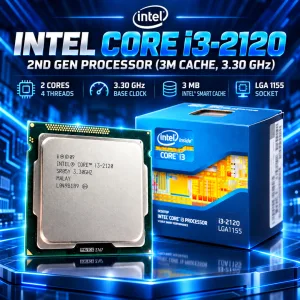
- 2 Cores and 4 Threads with Intel Hyper-Threading Technology
- 3.30 GHz Base Clock Frequency with 3 MB Intel Smart Cache
- Includes Intel HD Graphics 2000 integrated graphics
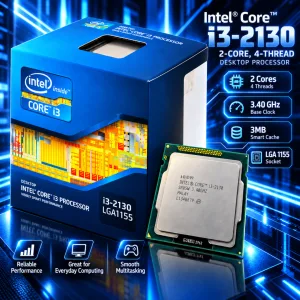
- 2 cores and 4 threads with Intel Hyper-Threading Technology
- 3.40 GHz processor base frequency with 3 MB Intel Smart Cache
- Integrated Intel HD Graphics 2000