

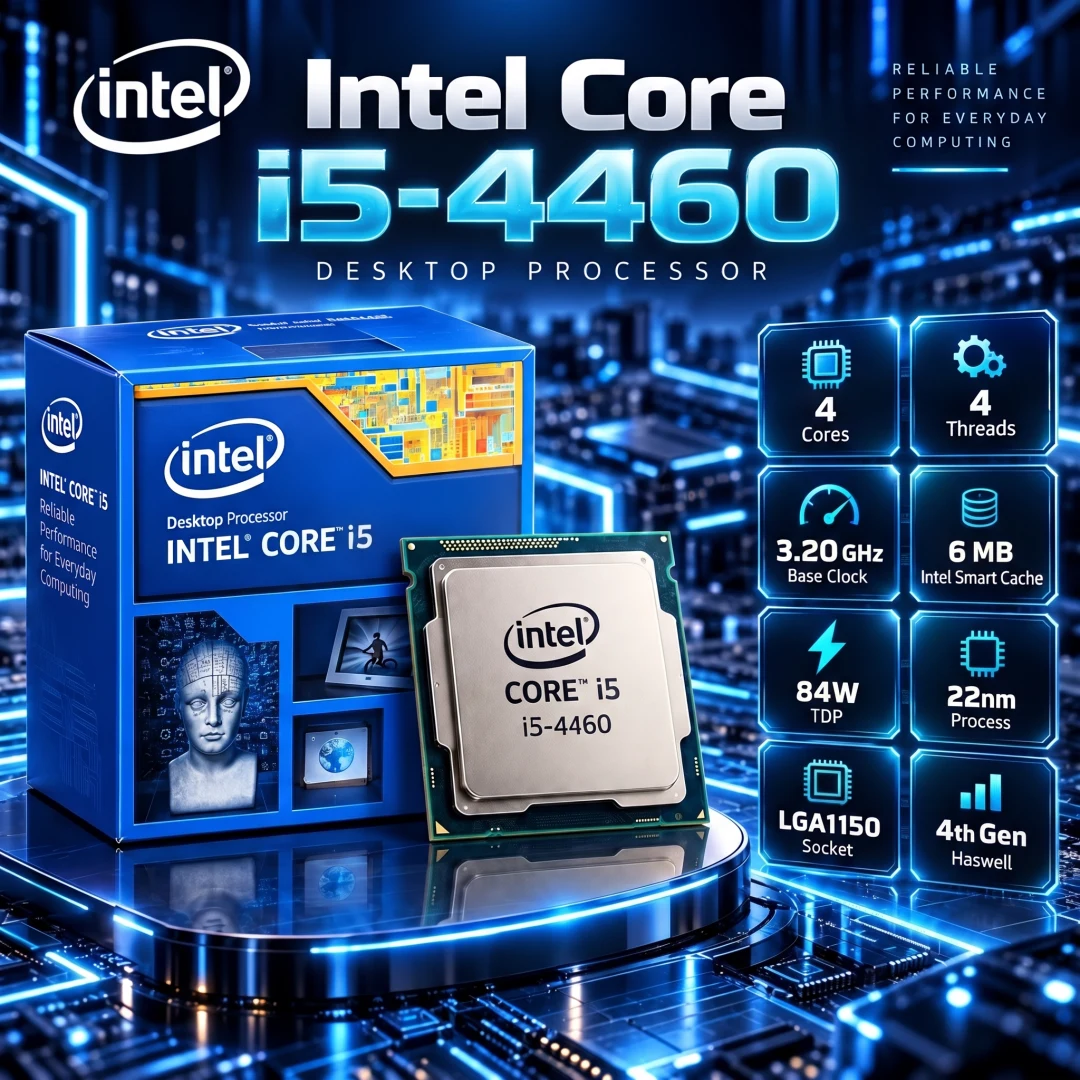
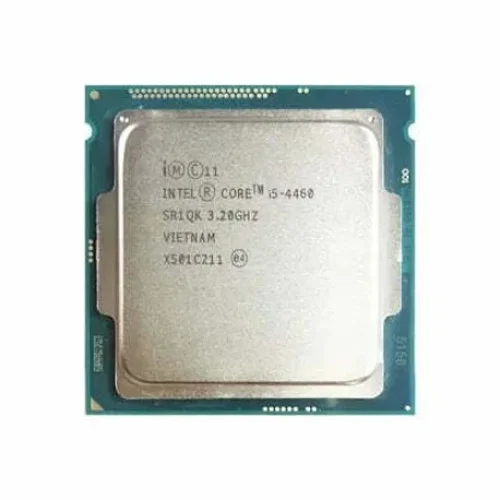
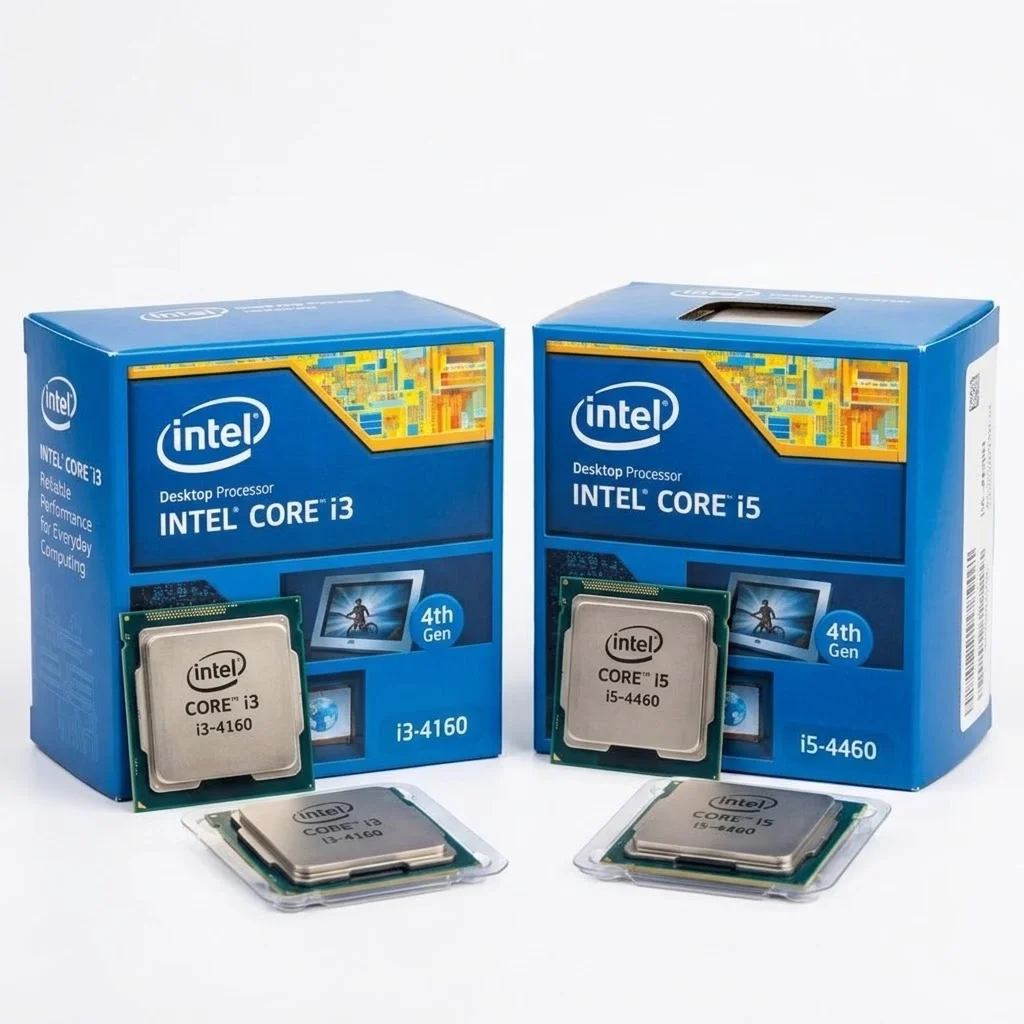
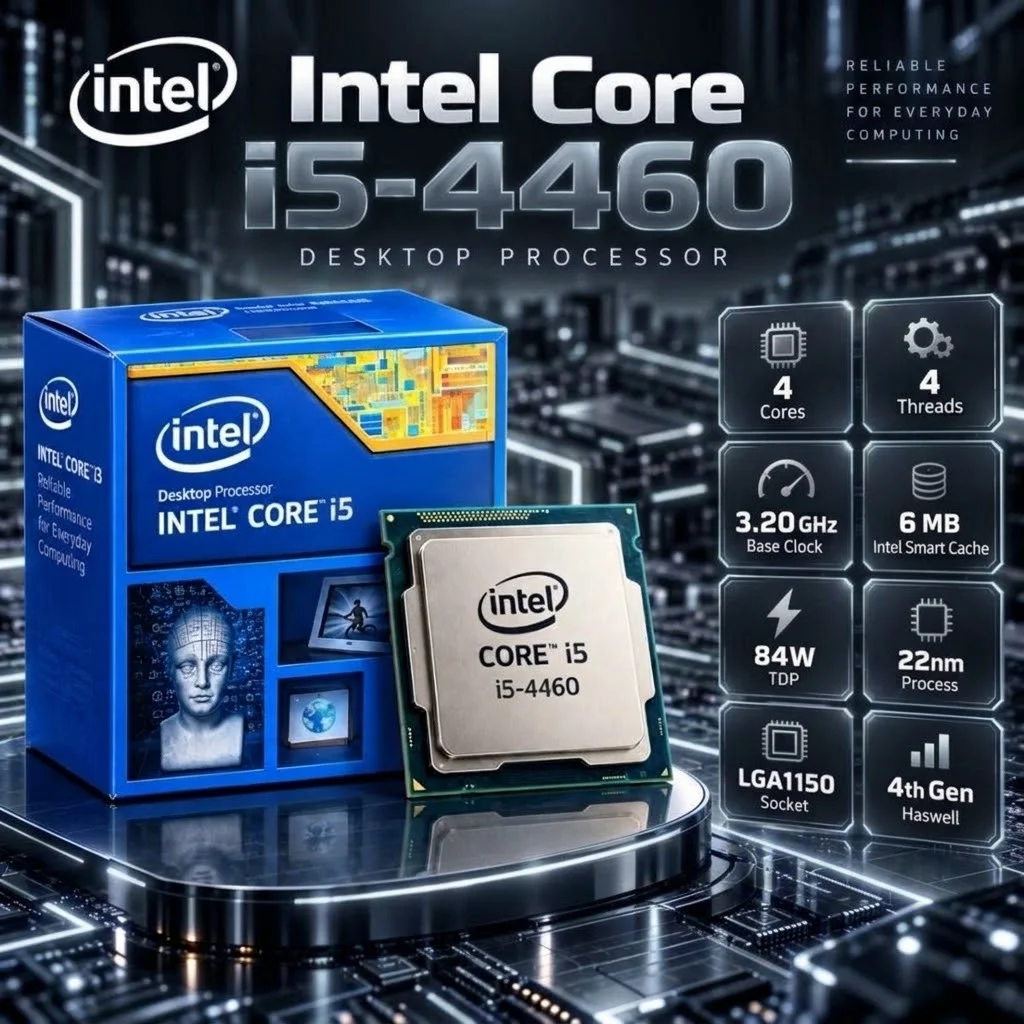
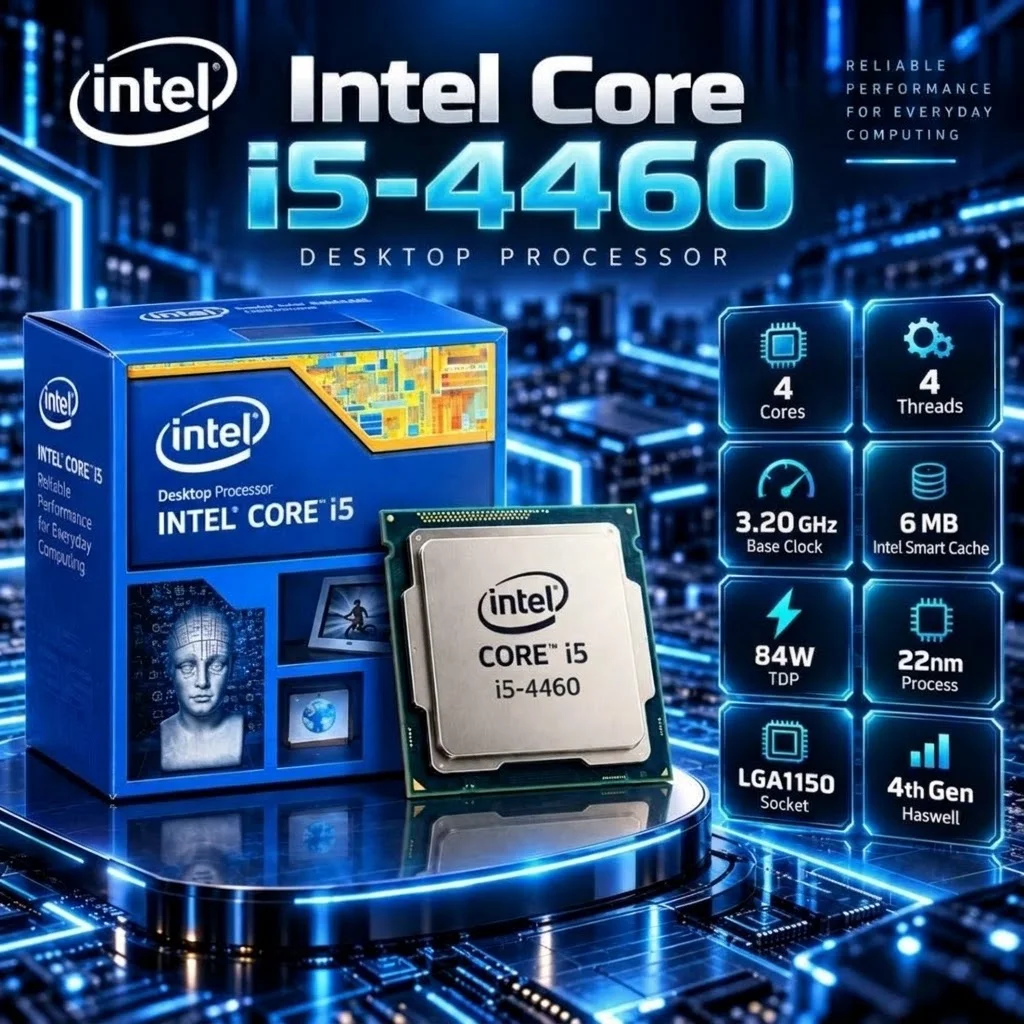
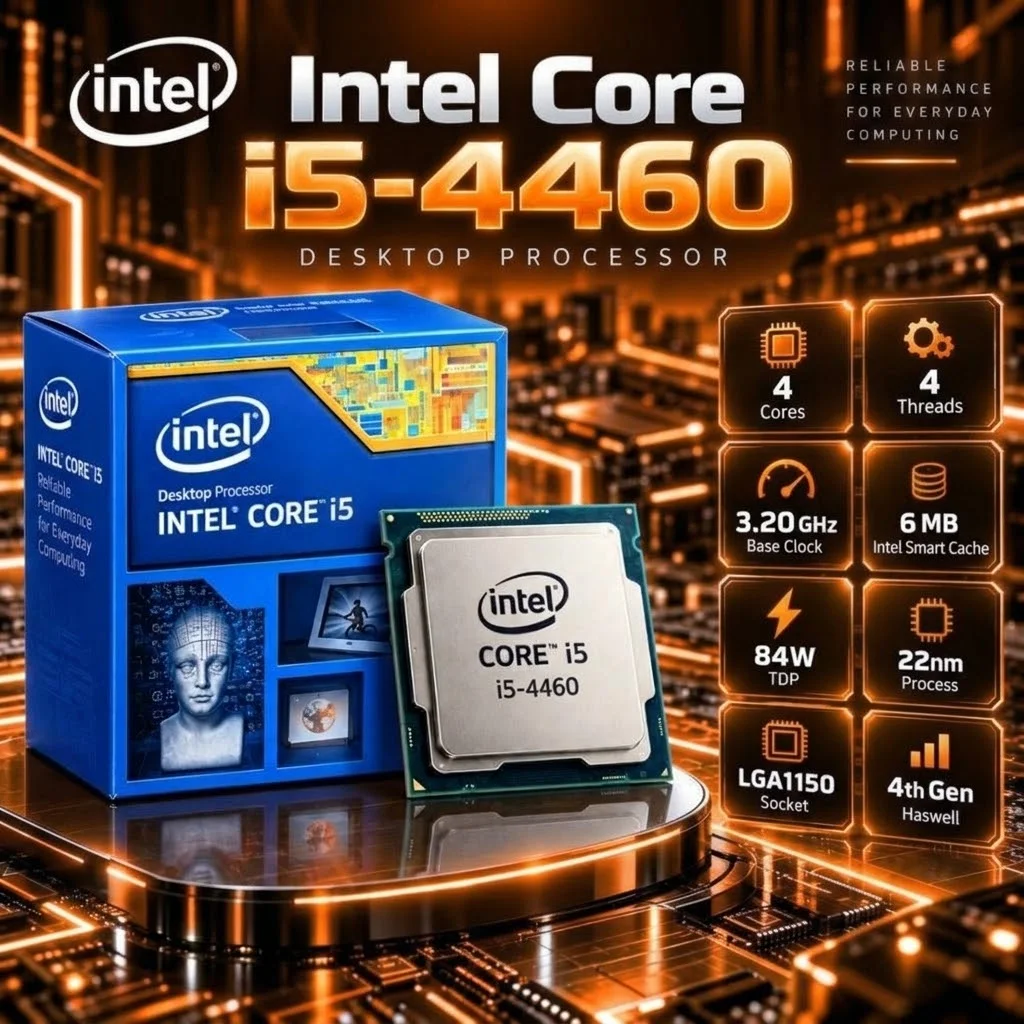
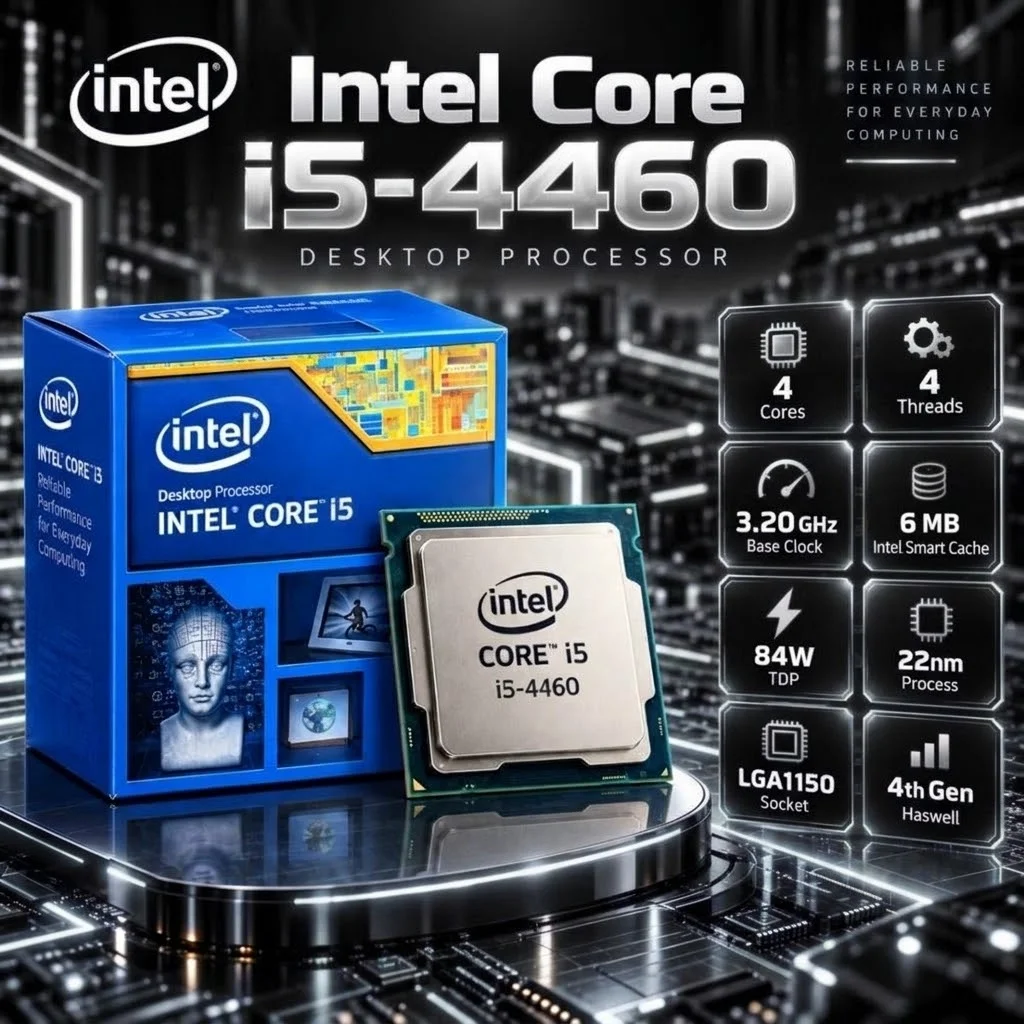
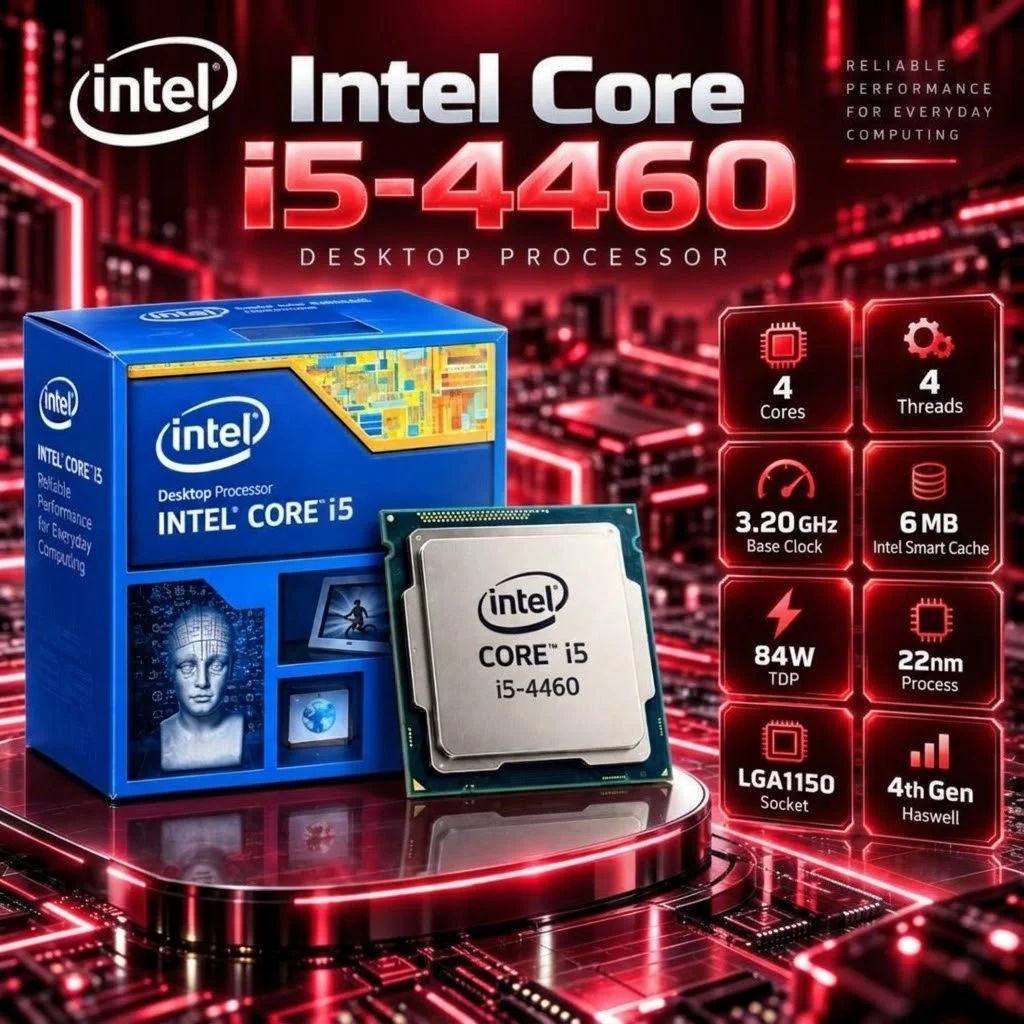
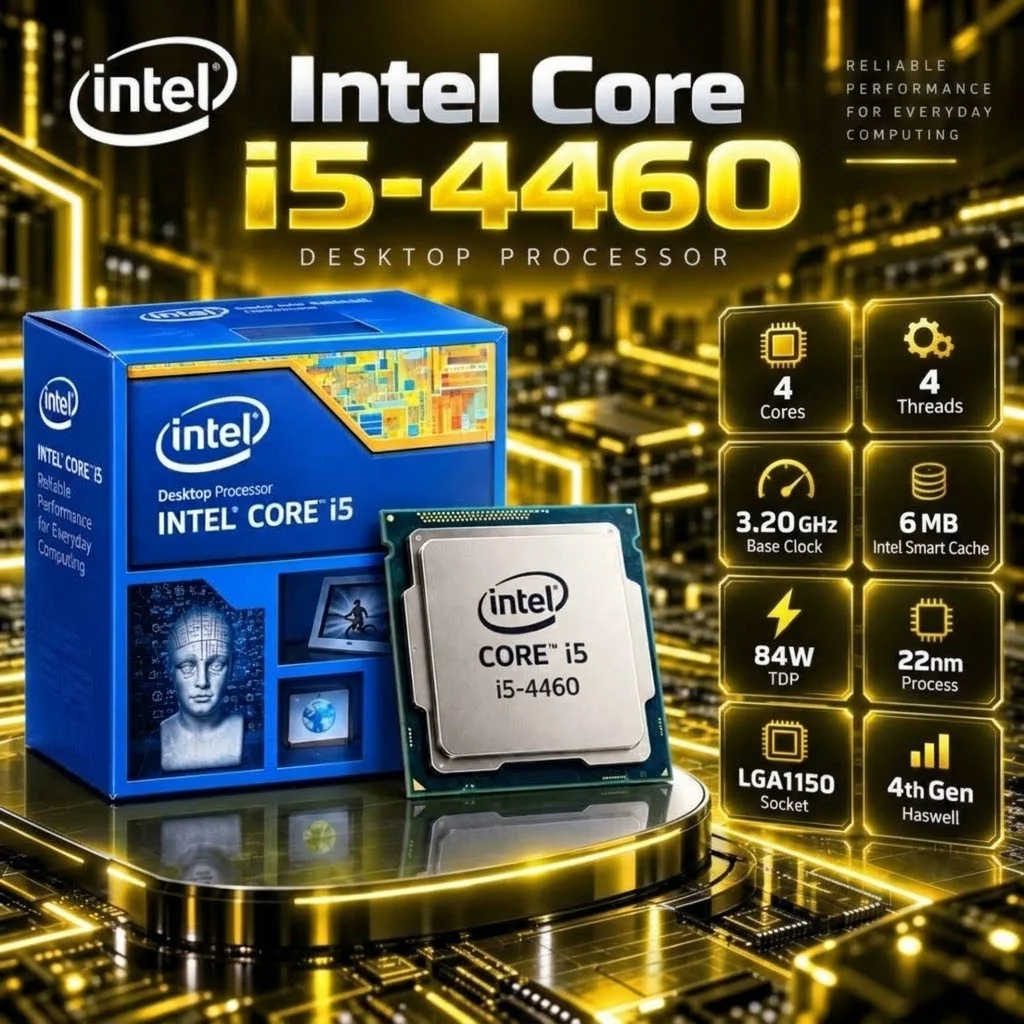
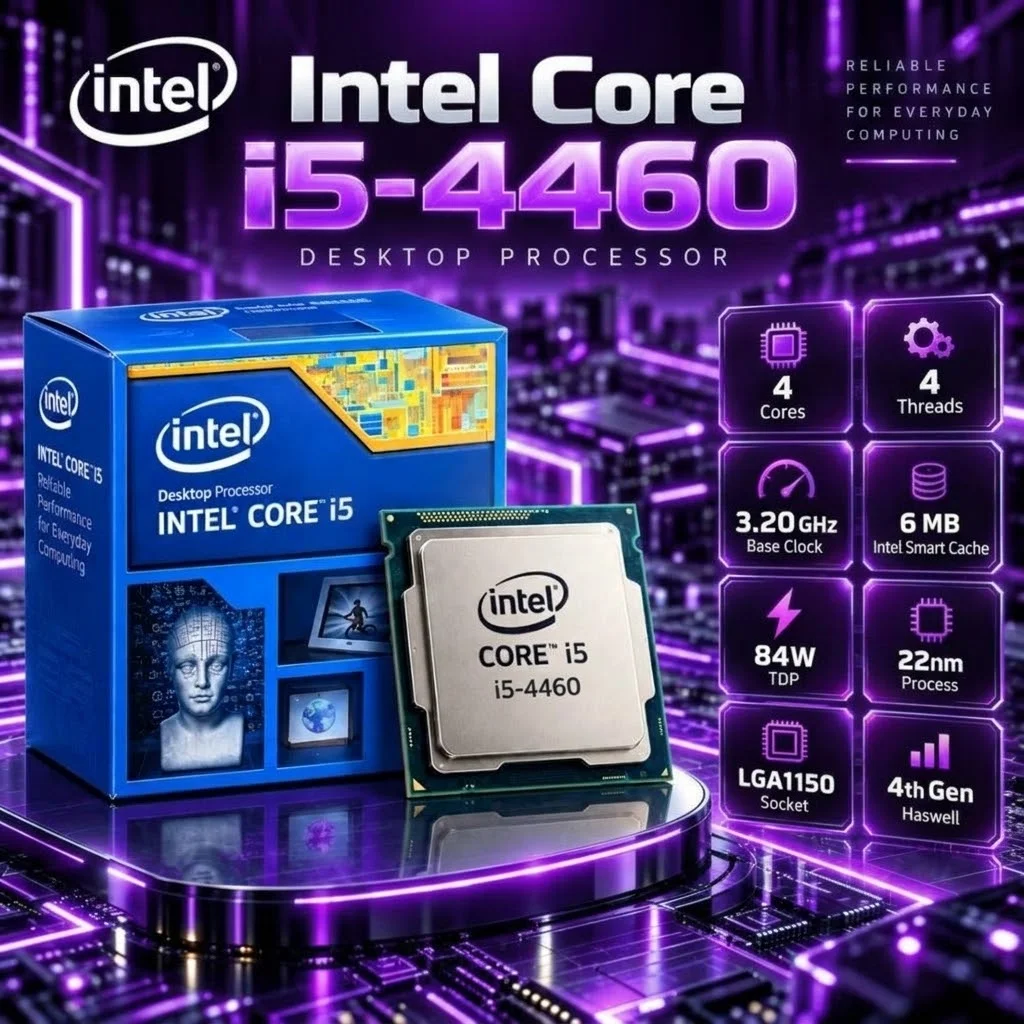
Intel Core i5-4460 4th Gen Haswell Quad-Core Desktop Processor
- 4 Cores & 4 Threads
- 3.20 GHz Base Clock, up to 3.40 GHz Max Turbo Frequency
- 6 MB Intel Smart Cache
- Integrated Intel HD Graphics 4600
*Approximate regional retail guide prices. Pixahunt is an informational catalog.
CPU Benchmark Scores & Performance Analysis
TESTEDCinebench R23, Geekbench 6, PassMark CPU Mark scores & real-world gaming/office suitability tests.
Technical Specifications
Comprehensive hardware architecture and specifications
General
| Series | Core i5 (4th Gen) |
| Model | Intel Core i5-4460 |
| Cpu Cooler | Included (Intel Stock Cooler) |
| Code-Name | Haswell |
| Generation | 4th Gen |
| Sockets Supported | LGA1150 |
Performance
| Base Frequency | 3.20 GHz |
| Turbo Frequency Max. | 3.40 GHz |
| Core | 4 |
| Threads | 4 |
| CPU Cache | 6 MB Intel Smart Cache |
| L1 Cache | 256 KB (64 KB per core) |
| L2 Cache | 1 MB (256 KB per core) |
| L3 Cache | 6 MB Shared |
| TDP | 84W |
| Lithography | 22nm |
| Multiplier | 32.0x |
| Multiplier Unlocked | No |
| Processor Type | Core i5 |
Memory Support
| Memory Max. | 32 GB |
| Memory Type | DDR3, DDR3L |
| Memory Speed | DDR3-1333/1600 @ 1.5V |
| Memory Channel | 2 |
| Max Memory Bandwidth | 25.6 GB/s |
| ECC Memory Supported | No |
Graphics
| Built-in GPU | Yes |
| Processor Graphics | Intel HD Graphics 4600 |
| Graphics Base Frequency | 350 MHz |
| Graphics Dynamic Frequency | 1.10 GHz |
| Graphics Core Count | 20 |
| Max Video Memory | 2 GB |
| Max Resolution | HDMI: 4096x2304@24Hz, DP: 3840x2160@60Hz, VGA: 1920x1200@60Hz |
Technical Info
| DirectX Support | 11.2/12 |
| OpenGL Support | 4.3 |
| Approx. Power Consumption | 84W |
| Compatible Products / Chipsets | Intel 80 Series, Intel 90 Series (H81, B85, H87, Z87, H97, Z97) |
| PCI Express Version | PCIe 3.0 |
| PCI Express Lanes | 16 Lanes |
| Thermal Solution (MPK / Box) | PCG 2013D |
| Max. Operating Temperature (Tjmax) | 72.72°C |
Warranty
| Manufacturing Warranty | 03 Years (Discontinued / End of Life) |
Additional Info
| Specialty | Intel Turbo Boost Technology 2.0, Intel Virtualization Technology (VT-x, VT-d), Intel AVX2, Intel AES-NI |
| Others | Instruction Set: 64-bit; Instruction Set Extensions: SSE4.1, SSE4.2, AVX2; Idle States, Enhanced SpeedStep |
| Country Of Origin | USA |
| Made in/ Assemble | Malaysia / Vietnam / Costa Rica |
Editorial Overview & Review
In-depth insights, architecture summary, and performance evaluation
Introduction & Overview: The Mid-Range Workhorse of the Haswell Era
When Intel introduced its 4th Generation Core processor lineup—codenamed Haswell—the computing landscape was shifting toward greater energy efficiency and integrated graphics prowess. Sitting comfortably in the sweet spot of Intel’s mainstream lineup was the Intel Core i5-4460, an LGA1150 processor designed to deliver robust everyday performance without commanding the premium price tag of its overclockable "K-series" siblings.
Positioned squarely at budget-conscious gamers, office power users, and mainstream desktop builders utilizing Intel 80 or 90 series chipsets (such as H81, B85, H97, and Z97), the i5-4460 quickly became a staple for custom rigs and pre-built systems alike. While it has since reached its End of Life (EOL) status, examining its architecture reveals why it remains a legendary benchmark for what a reliable, no-nonsense quad-core CPU should be.
Architecture, Performance & Key Technologies
Built on a mature 22nm lithography process, the Intel Core i5-4460 features 4 physical cores and 4 threads, deliberately omitting Hyper-Threading to differentiate it from the Core i7 tier. Out of the box, it operates at a base frequency of 3.20 GHz, scaling dynamically up to 3.40 GHz via Intel Turbo Boost Technology 2.0 when thermal and power headroom allow.
Under the hood, the processor packs 6 MB of Intel Smart Cache alongside support for dual-channel DDR3 and DDR3L memory running at speeds up to 1600 MHz, delivering a maximum memory bandwidth of 25.6 GB/s. With a Thermal Design Power (TDP) of 84W, it strikes a predictable thermal balance that is easily managed by the included Intel stock cooler (PCG 2013D), ensuring quiet operation under typical workloads.
Graphics duties are handled by the integrated Intel HD Graphics 4600, featuring 20 execution units with a dynamic frequency peaking at 1.10 GHz. While entry-level, this iGPU supports DirectX 11.2/12, OpenGL 4.3, and multi-display outputs capable of pushing resolutions up to 4K via DisplayPort. Furthermore, the chip supports essential enterprise and performance instruction extensions including Intel AVX2 and AES-NI, accelerating data encryption and vector-heavy applications.
Real-World Use Cases: How Does It Hold Up?
In practice, the Core i5-4460 was engineered to excel in scenarios where predictable, multi-core responsiveness matters most:
- Daily Productivity & Office Work: Handling heavy multi-tasking—such as running dozens of browser tabs, Microsoft Office suites, video conferencing, and background utilities—is entirely effortless thanks to its true quad-core layout.
- Mainstream Gaming: Paired with a dedicated mid-range discrete graphics card, the i5-4460 serves as a capable gaming CPU. It minimizes the frustrating stuttering often found in dual-core or hyper-threaded Pentium/i3 processors of its generation, making it a reliable companion for 1080p gaming setups.
- Light Content Creation: While heavy 4K video rendering or massive 3D modeling will stretch its limits due to the lack of hyper-threading and modern core counts, it handles casual photo editing, audio production, and 1080p video transcode tasks admirably for its class.
Strengths & Potential Considerations
Every hardware component comes with its own set of trade-offs. Here is how the i5-4460 shakes out:
- Pros:
- Solid quad-core performance for budget-friendly productivity and legacy builds.
- Low thermal output; highly compatible with standard LGA1150 motherboards (H81 through Z97).
- Includes a dependable stock cooler out of the box.
- Reliable integrated graphics capable of driving high-resolution desktop displays.
- Cons:
- Locked Multiplier: Overclocking enthusiasts will find no room for frequency adjustments.
- DDR3 Limitation: Restricted to older DDR3 memory standards, capping future-proofing against modern DDR4/DDR5 platforms.
- Aging Platform: Discontinued by Intel, meaning upgrade paths on the LGA1150 socket are effectively maxed out.
Final Buying Verdict
The Intel Core i5-4460 represents a golden era of incremental, reliable desktop CPU design. For modern primary builds, its reliance on DDR3 memory and older LGA1150 architecture means it has been thoroughly surpassed by newer generations. However, for anyone looking to resurrect an older office PC, piece together an ultra-budget secondary gaming rig from used parts, or maintain legacy systems, the i5-4460 remains a remarkably stable, efficient, and capable piece of engineering.
OUR RATING CONSENSUS
The overall rating is based on review by our experts & industry benchmark suites
Quick Snapshot
- Overall Rating
- 5.4 / 10
- Brand
- Intel
- Category
- Processor
- Catalog Model
- i5-4460
- Status
- Published
- Release Date
- Oct 10, 2026
Pixahunt Tech Community
Connect with hardware enthusiasts, compare benchmarks, and explore real user setups.
Explore Full Newsfeed →Related Gadgets
- 3.20 GHz Dual-Core Clock Speed for Reliable Everyday Computing
- Intel Hyper-Threading Technology Enabling 4 Parallel Threads
- Built-in Intel HD Graphics for Integrated Display Support
- 2 cores and 4 threads with Intel Hyper-Threading Technology
- 3.10 GHz base processor frequency
- 3 MB Intel Smart Cache
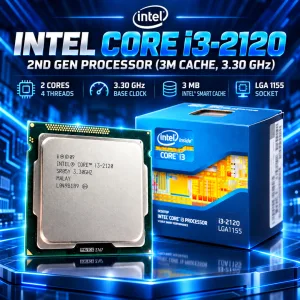
- 2 Cores and 4 Threads with Intel Hyper-Threading Technology
- 3.30 GHz Base Clock Frequency with 3 MB Intel Smart Cache
- Includes Intel HD Graphics 2000 integrated graphics
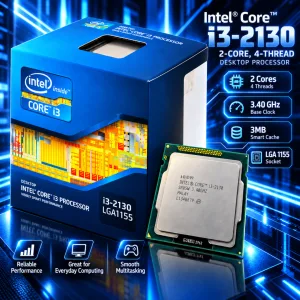
- 2 cores and 4 threads with Intel Hyper-Threading Technology
- 3.40 GHz processor base frequency with 3 MB Intel Smart Cache
- Integrated Intel HD Graphics 2000