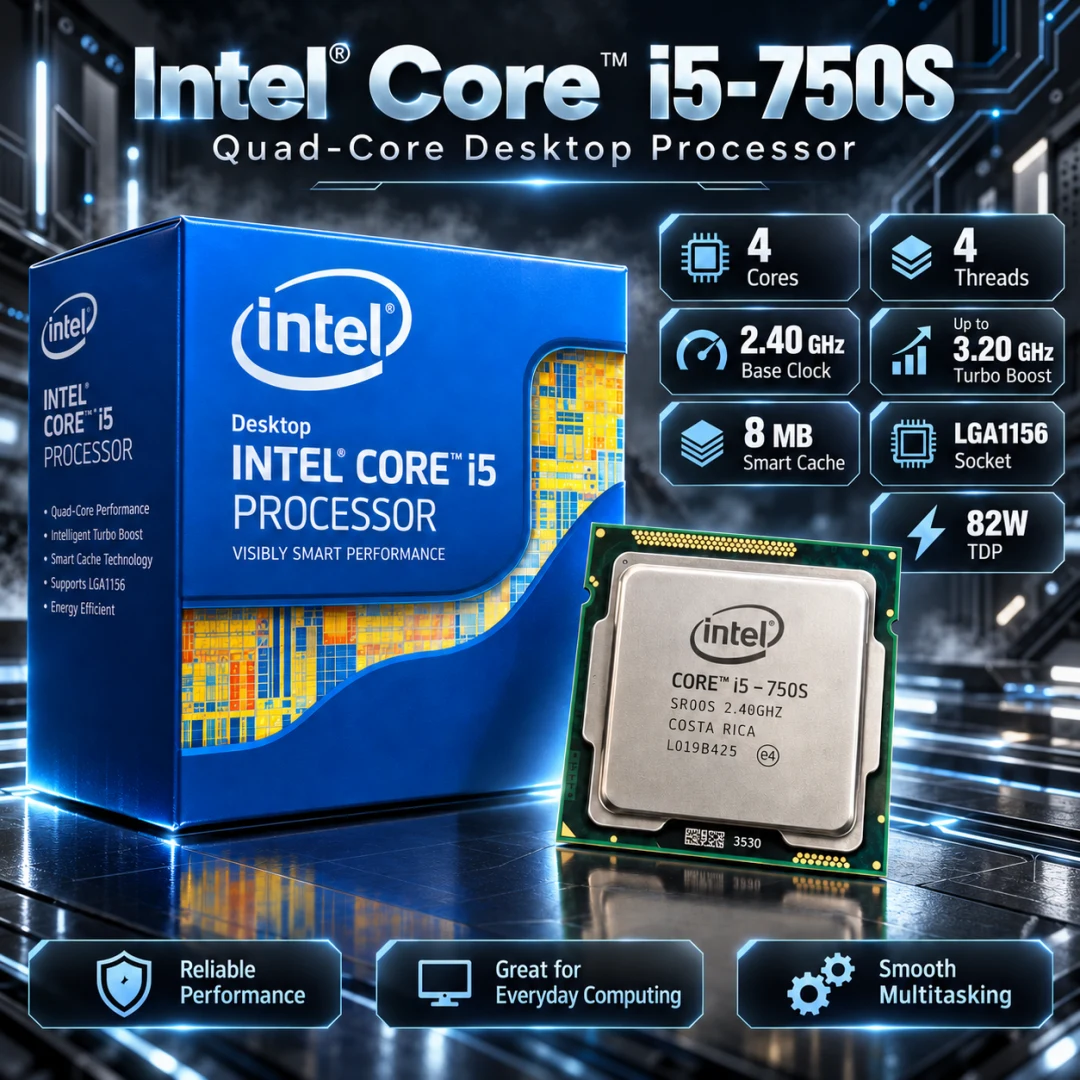
Intel Core i5-750S 4-Core, 4-Thread Desktop Processor
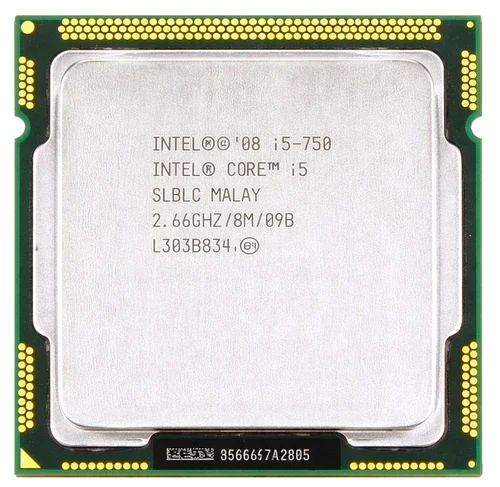
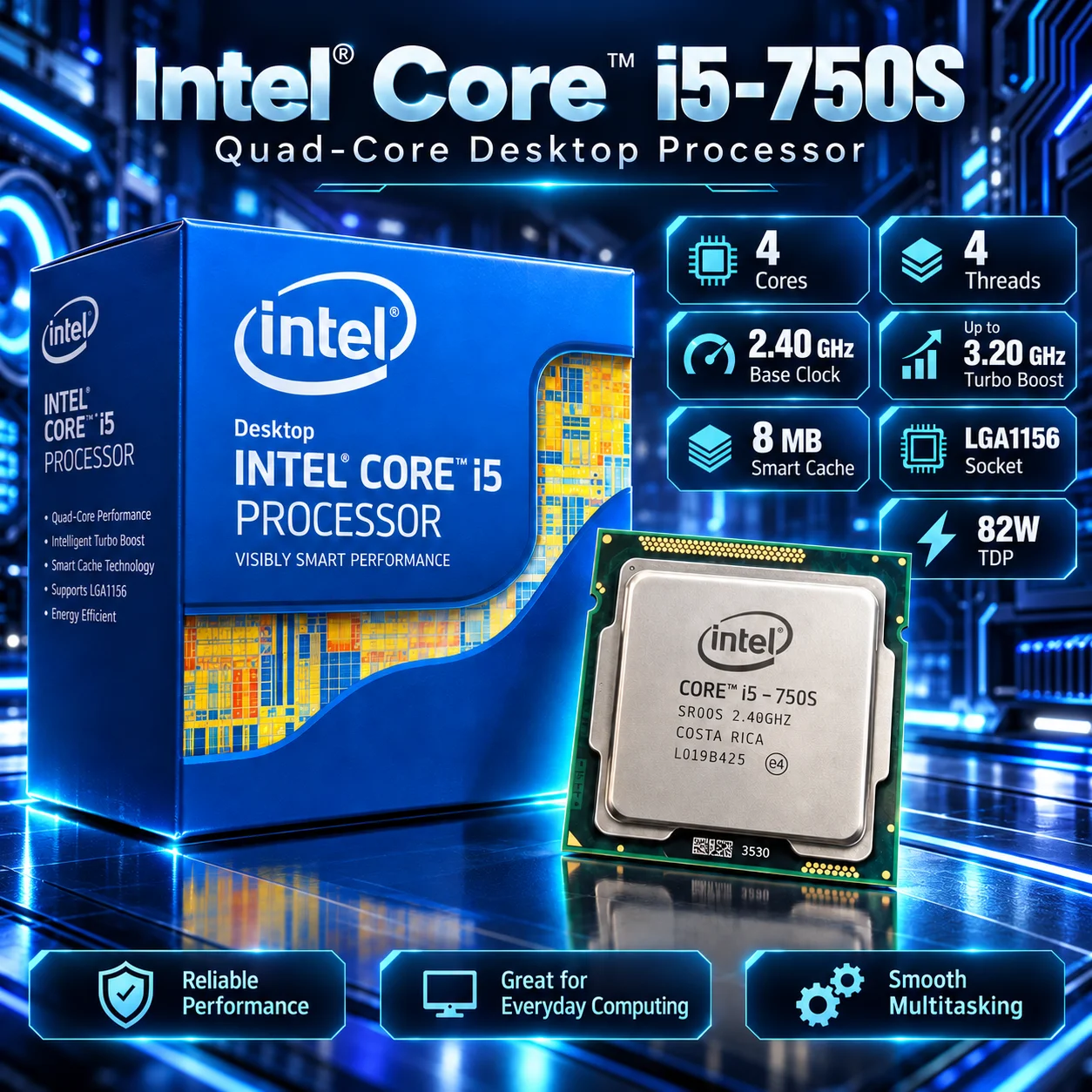
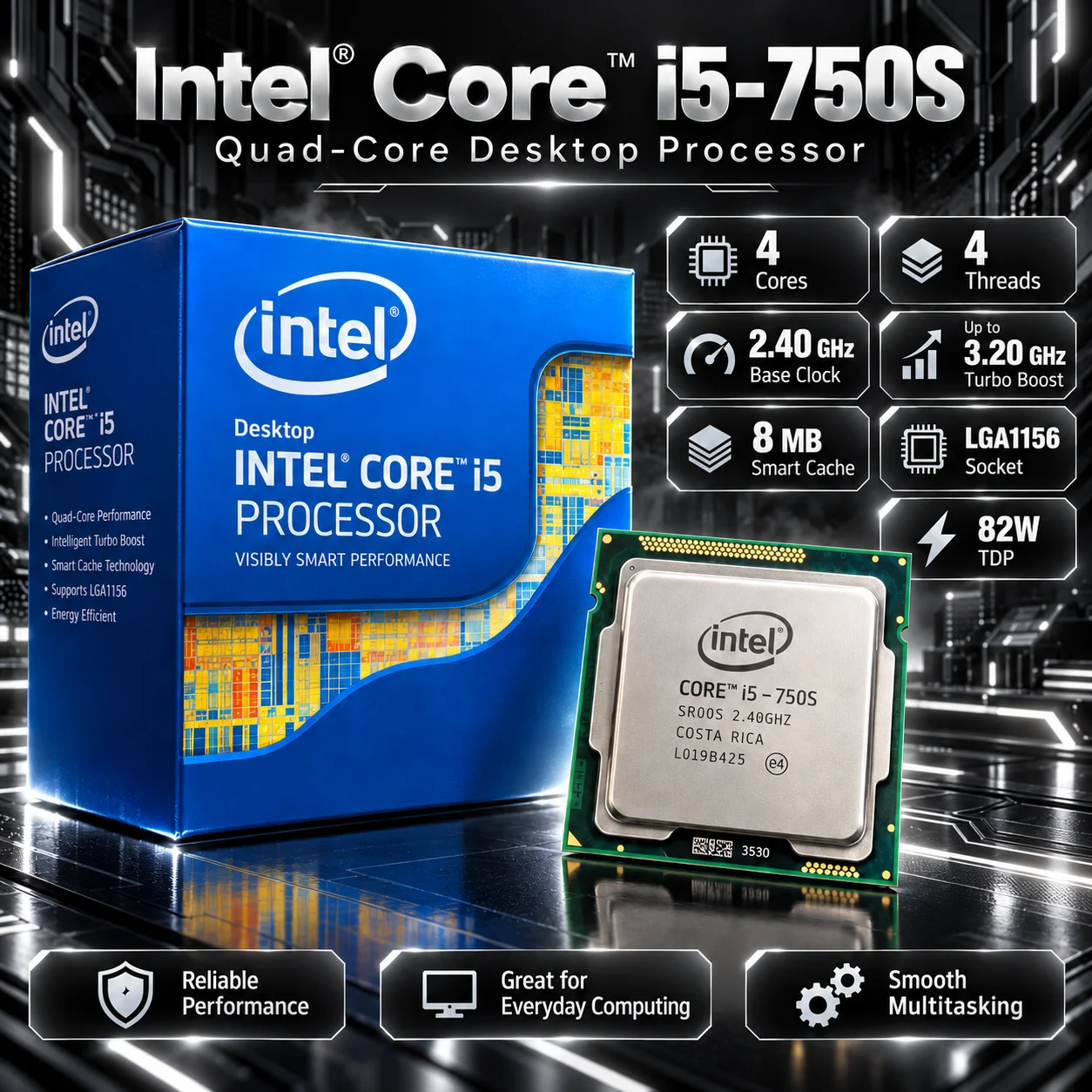
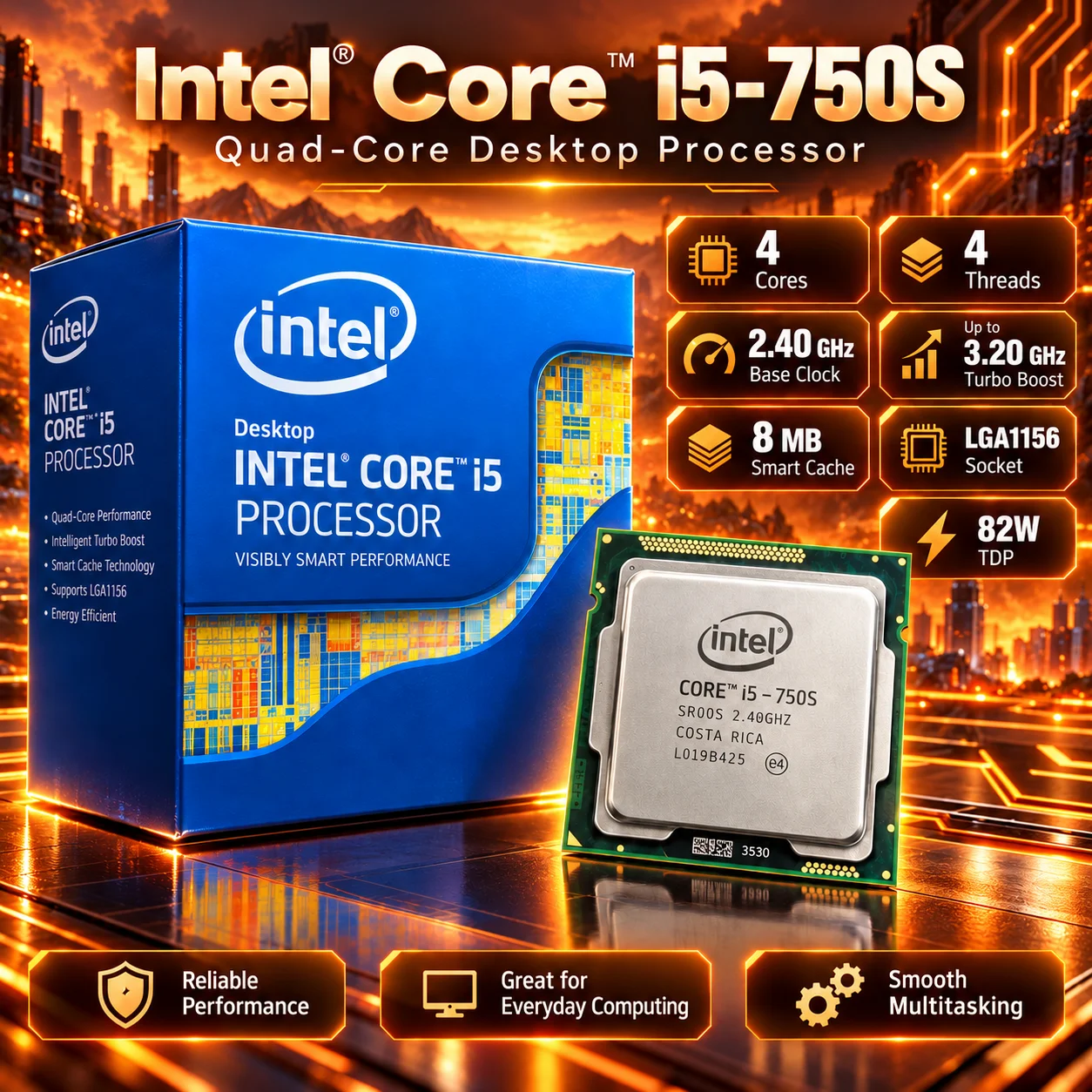
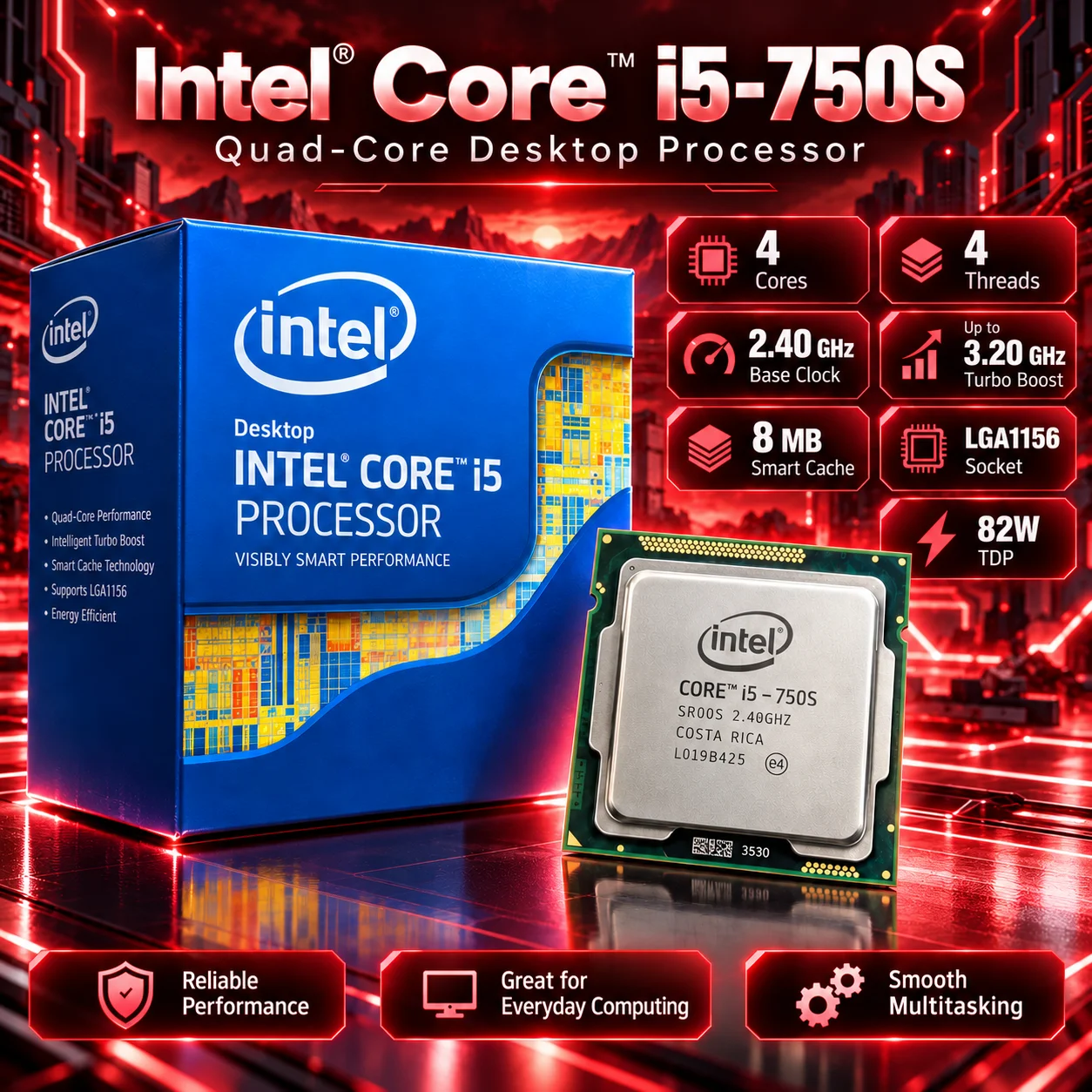
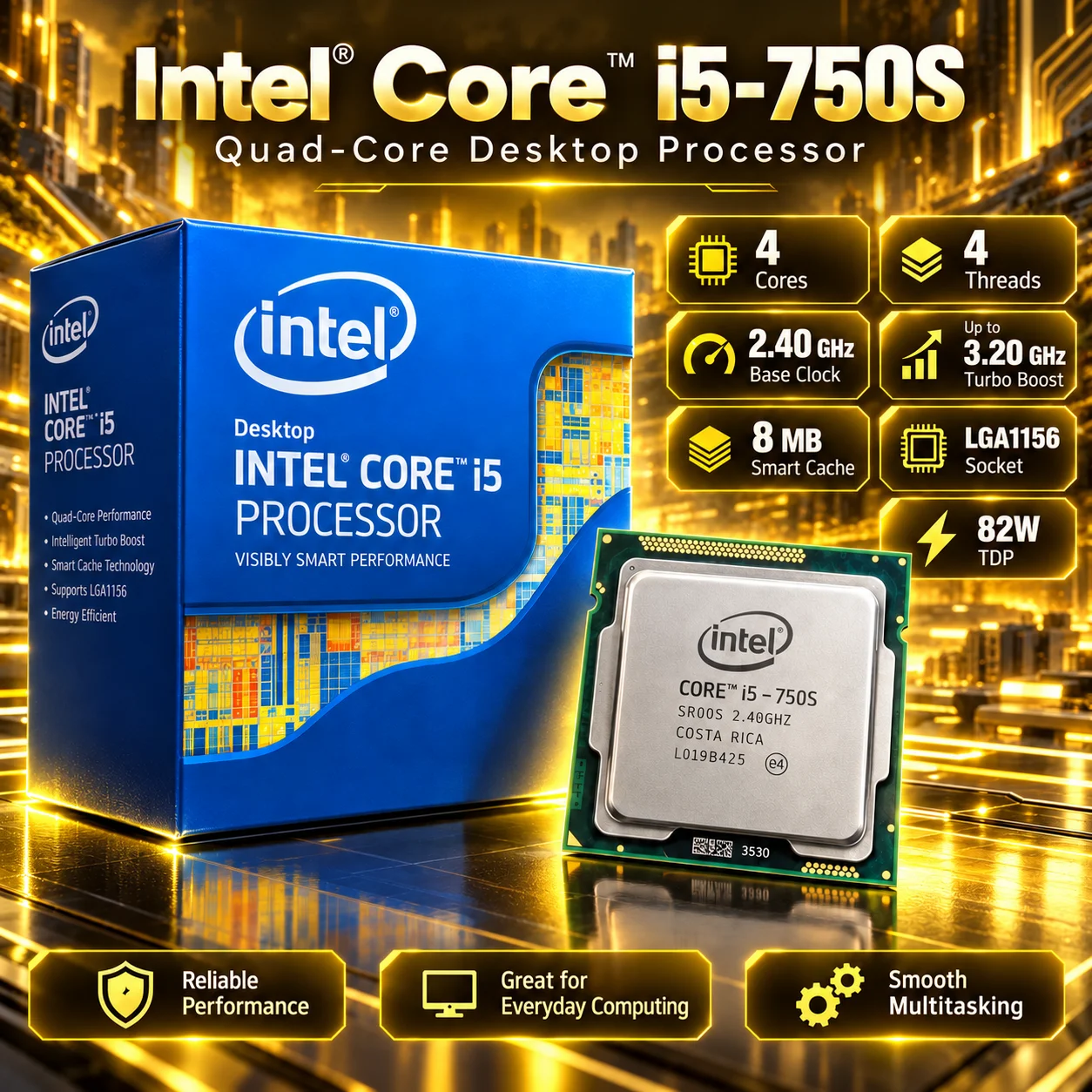
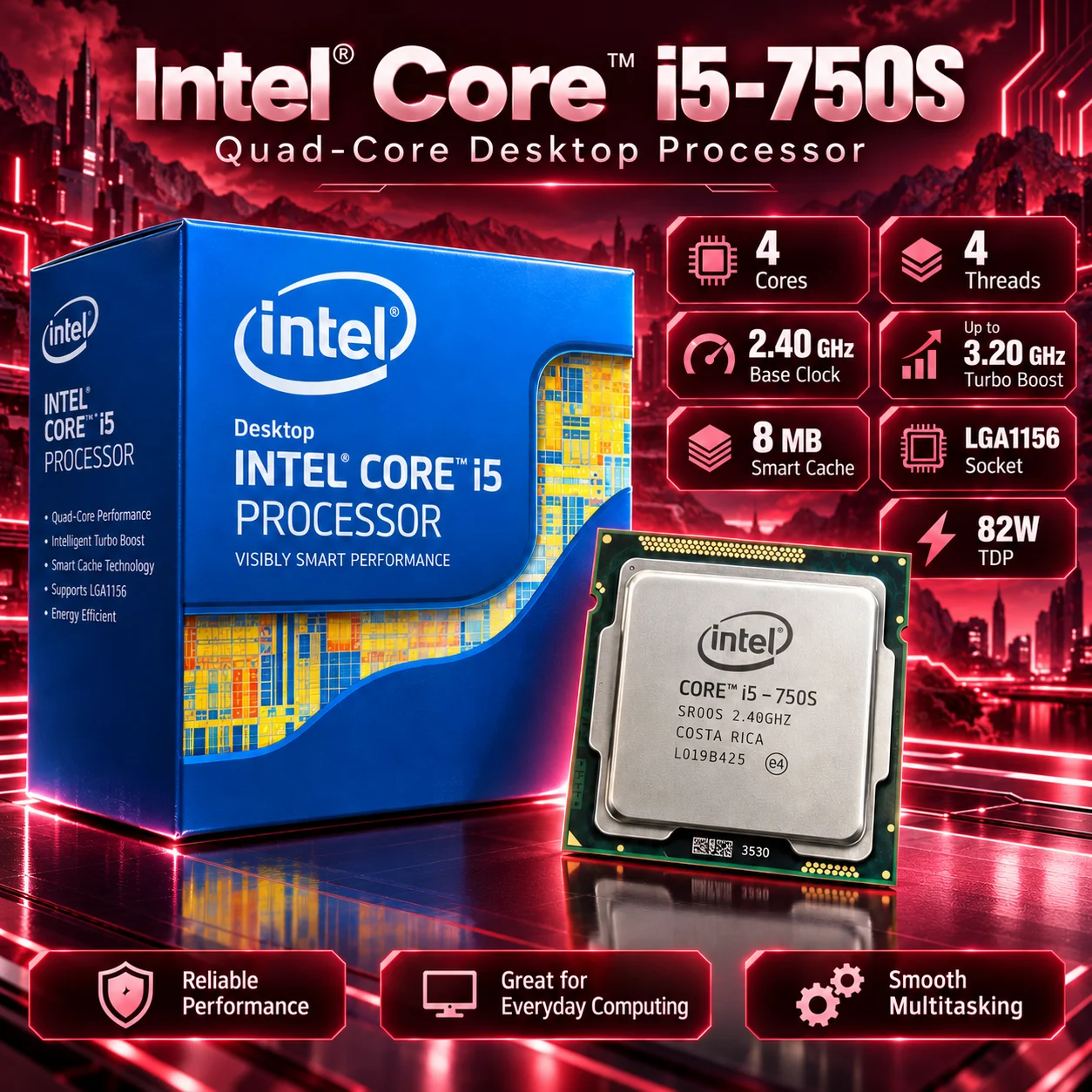
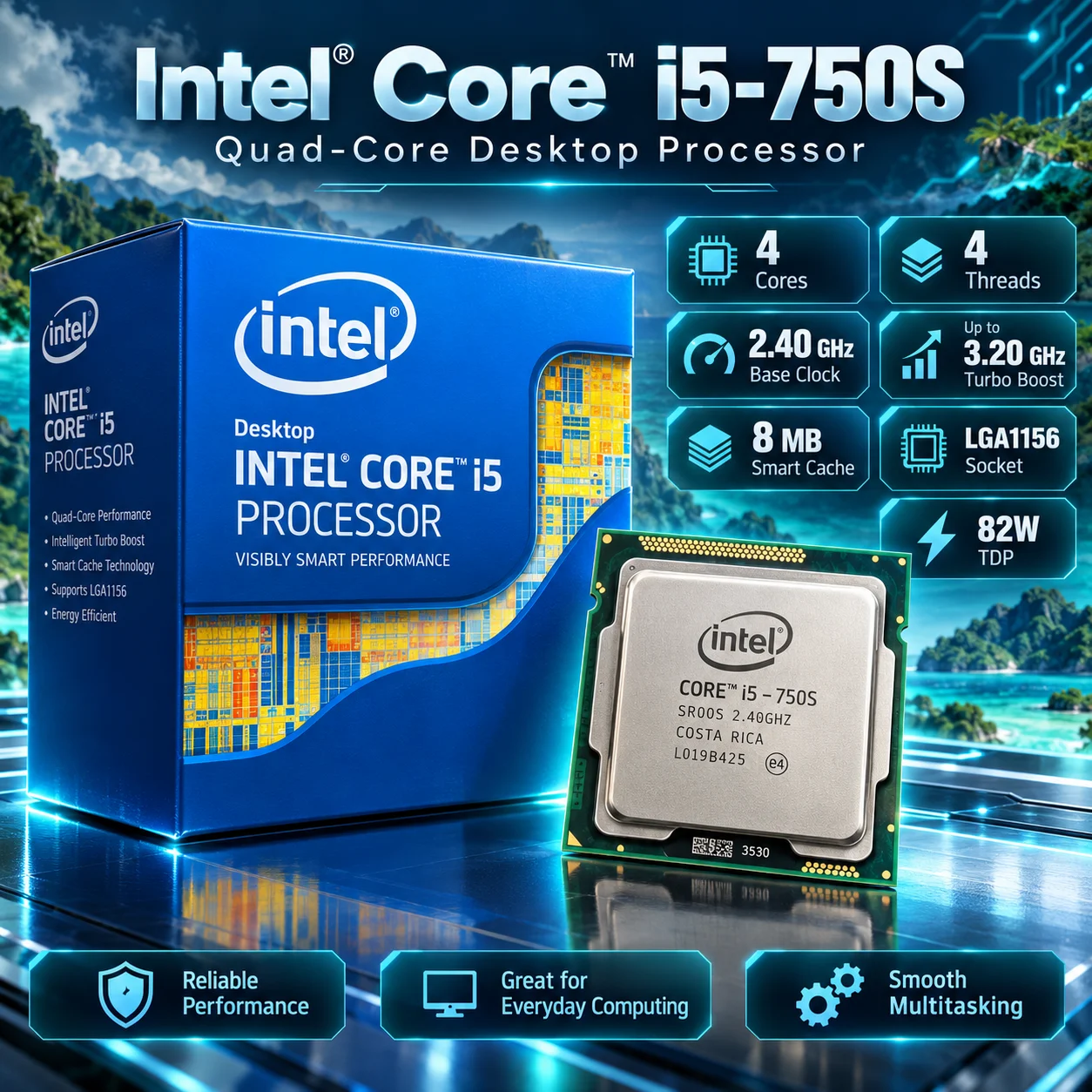
- 4 cores and 4 threads for responsive desktop performance
- 2.4 GHz base frequency with up to 3.2 GHz turbo boost frequency
- 8 MB of shared L3 cache and support for dual-channel DDR3 memory
- 82 W TDP optimized for balanced power consumption
*Approximate regional retail guide prices. Pixahunt is an informational catalog.
CPU Benchmark Scores & Performance Analysis
TESTEDCinebench R23, Geekbench 6, PassMark CPU Mark scores & real-world gaming/office suitability tests.
Technical Specifications
Comprehensive hardware architecture and specifications
General
| Series |
Core i5
Selected Variant
|
| Model |
i5-750S
Selected Variant
|
| Cpu Cooler |
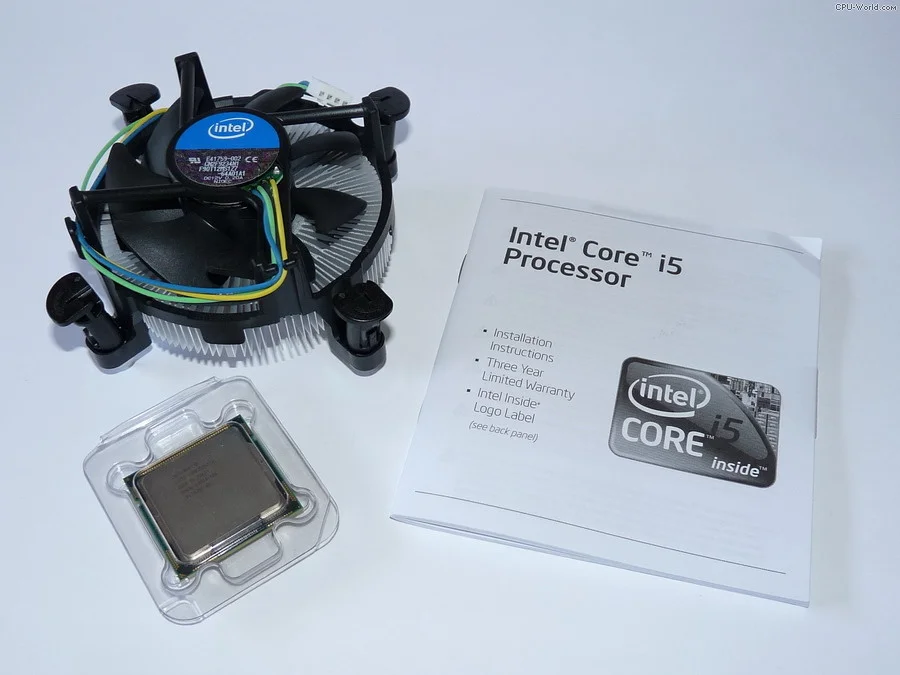
Not Included
Selected Variant
|
| Code-Name |
Lynnfield
Selected Variant
|
| Generation |
1st Gen
Selected Variant
|
| Sockets Supported |
Socket 1156
Selected Variant
|
| Release Date |
January 7, 2010
Selected Variant
|
Performance
| Base Frequency |
2.4 GHz
Selected Variant
|
| Turbo Frequency Max. |
3.2 GHz
Selected Variant
|
| Core |
4
Selected Variant
|
| Threads |
4
Selected Variant
|
| CPU Cache |
8 MB L3 Cache
Selected Variant
|
| L1 Cache |
64 KB (per core)
Selected Variant
|
| L2 Cache |
256 KB (per core)
Selected Variant
|
| L3 Cache |
8 MB
Selected Variant
|
| TDP |
82 W
Selected Variant
|
| Lithography |
45 nm
Selected Variant
|
| Multiplier |
18.0x
Selected Variant
|
| Multiplier Unlocked |
No
Selected Variant
|
| Processor Type. |
Low-Power Desktop Processor (4 Cores, 4 Threads)
Best for: Energy-Efficient Small Form Factor (SFF) Desktops & Home Servers Selected Variant |
Memory Support
| Memory Max. |
16 GB
Selected Variant
|
| Memory Type |
DDR3
Selected Variant
|
| Memory Speed |
N/A
Selected Variant
|
| Memory Channel |
Dual-channel
Selected Variant
|
| Max Memory Bandwidth |
N/A
Selected Variant
|
| ECC Memory Supported |
No
Selected Variant
|
Graphics
| Built-in GPU |
No
Selected Variant
|
| Processor Graphics |
Discrete GPU Required
Selected Variant
|
| Graphics Base Frequency |
N/A
Selected Variant
|
| Graphics Dynamic Frequency |
N/A
Selected Variant
|
| Graphics Core Count |
N/A
Selected Variant
|
| Max Video Memory |
N/A
Selected Variant
|
| Max Resolution |
N/A
Selected Variant
|
Technical Info
| DirectX Support |
N/A
Selected Variant
|
| OpenGL Support |
N/A
Selected Variant
|
| Approx. Power Consumption |
82 W
Selected Variant
|
| Compatible Products / Chipsets |
Intel 55 series / 57 series chipsets
Selected Variant
|
| PCI Express Version |
Gen 2
Selected Variant
|
| PCI Express Lanes |
16 Lanes (CPU only)
Selected Variant
|
| Thermal Solution (MPK / Box) |
N/A
Selected Variant
|
| Max. Operating Temperature (Tjmax) |
N/A
Selected Variant
|
Warranty
| Manufacturing Warranty |
3 Years Limited
Selected Variant
|
Additional Info
| Specialty |
Hardware virtualization (VT-x, VT-d)
Selected Variant
|
| Others |
End-of-life status, FC-LGA8 package
Selected Variant
|
| Country Of Origin |
N/A
Selected Variant
|
| Made in/ Assemble |
N/A
Selected Variant
|
Editorial Overview & Review
In-depth insights, architecture summary, and performance evaluation
Introduction & Overview
Back when the desktop computing landscape was rapidly evolving, Intel introduced a processor lineup that would fundamentally reshape consumer expectations for mainstream performance: the Lynnfield generation. Within this historic ecosystem, the Intel Core i5-750S carved out a very specific, highly strategic niche. Positioned as a power-optimized variant of the beloved quad-core i5-750, the 'S' suffix signaled a pivot toward efficiency, smaller form factors, and thermal constraint management without sacrificing the core architectural DNA that enthusiasts loved.
Targeted at system builders, office professionals, and budget-conscious enthusiasts who wanted true quad-core muscle within a tighter thermal envelope, the i5-750S was designed for Socket 1156 motherboards utilizing Intel 55 and 57 series chipsets. While it arrived in a market where discrete graphics cards were a mandatory pairing—eschewing any integrated GPU—it promised a balanced, responsive computing experience for those stepping up from aging dual-core setups.
Architecture, Performance & Key Technologies
At its core, the i5-750S is built on a 45nm lithography process under the Lynnfield code-name, packing four physical execution cores and four threads. Unlike contemporary Core i7 parts, it lacks Hyper-Threading, but its native quad-core layout delivers consistent, predictable multitasking performance. Out of the box, the processor operates at a base frequency of 2.4 GHz, but thanks to Intel Turbo Boost technology, it can dynamically scale up to an impressive 3.2 GHz depending on workload demands and thermal headroom.
Memory handling is managed via an integrated dual-channel DDR3 memory controller supporting up to 16 GB of RAM, ensuring adequate bandwidth for general applications and mid-tier workloads. Cache architecture is another strong suit, featuring 64 KB of L1 cache and 256 KB of L2 cache per core, all unified by a generous 8 MB L3 cache that minimizes latency during heavy data access.
Efficiency is where the 'S' series truly differentiates itself. Operating at an 82 W TDP, it achieves a lower power footprint compared to its standard desktop siblings, making it an ideal candidate for restrained chassis designs. Furthermore, the platform includes PCIe Gen 2 support with 16 dedicated lanes coming straight from the CPU, alongside robust hardware virtualization features such as VT-x and VT-d, catering to power users experimenting with virtual machines.
Real-World Use Cases
How does the hardware translate to daily computing? In productivity scenarios—such as heavy multi-tab web browsing, office document management, and running complex spreadsheets—the four native cores breeze through tasks without breaking a sweat. The generous 8 MB L3 cache ensures that background applications remain responsive even when foreground programs are demanding attention.
For gamers, pairing the i5-750S with a compatible discrete GPU unlocks a capable 1080p gaming machine of its era. While its 2.4 GHz base clock requires a brief turbo-boost kick to reach higher clock speeds, games optimized for quad-core processors run smoothly. Content creation, including light photo editing and 1080p video rendering, benefits immensely from the native four-core design, punching well above the weight of standard dual-core chips of the same generation.
Strengths & Potential Considerations
As with any legacy piece of hardware, a balanced evaluation requires weighing its historical and functional pros against its limitations.
- Pros:
- True native quad-core performance delivering seamless multitasking.
- Optimized 82 W TDP thermal envelope suited for compact or noise-conscious builds.
- Generous 8 MB L3 cache boosting overall application responsiveness.
- Comprehensive hardware virtualization support (VT-x, VT-d).
- Turbo Boost technology dynamically scales frequency up to 3.2 GHz.
- Cons:
- No integrated graphics—a discrete GPU is strictly required.
- Fixed 18.0x multiplier with an unlocked multiplier (No), limiting extreme overclocking headroom.
- Maximum memory capacity capped at 16 GB DDR3.
- End-of-life status means platform upgrades are constrained by the legacy Socket 1156 standard.
Final Buying Verdict
The Intel Core i5-750S remains a fascinating piece of processor engineering. It successfully bridged the gap between high-performance quad-core computing and the thermal efficiency required for restricted cooling environments. For retro PC builders, enthusiasts curating vintage gaming rigs, or hobbyists setting up a dedicated legacy virtualization lab, the i5-750S offers reliable performance, solid multi-threaded capabilities, and dependable Socket 1156 compatibility.
While modern computing has long since moved past the 45nm Lynnfield architecture, the i5-750S stands out as a thoughtful exercise in power optimization—making it a nostalgic and thoroughly functional centerpiece for yesterday's enthusiast systems.
OUR RATING CONSENSUS
The overall rating is based on review by our experts & industry benchmark suites
Quick Snapshot
- Overall Rating
- 5.3 / 10
- Brand
- Intel
- Category
- Processor
- Catalog Model
- i5-750S
- Status
- Published
- Release Date
- January 7, 2010
Pixahunt Tech Community
Connect with hardware enthusiasts, compare benchmarks, and explore real user setups.
Explore Full Newsfeed →Related Gadgets
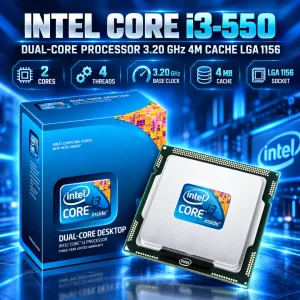
- 3.20 GHz Dual-Core Clock Speed for Reliable Everyday Computing
- Intel Hyper-Threading Technology Enabling 4 Parallel Threads
- Built-in Intel HD Graphics for Integrated Display Support
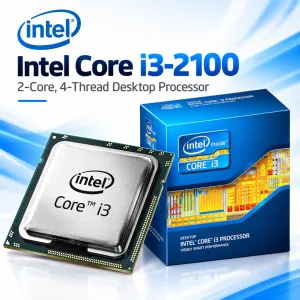
- 2 cores and 4 threads with Intel Hyper-Threading Technology
- 3.10 GHz base processor frequency
- 3 MB Intel Smart Cache
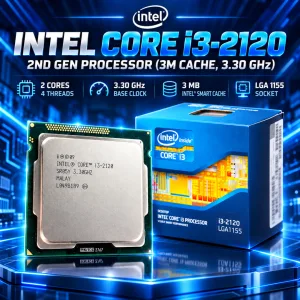
- 2 Cores and 4 Threads with Intel Hyper-Threading Technology
- 3.30 GHz Base Clock Frequency with 3 MB Intel Smart Cache
- Includes Intel HD Graphics 2000 integrated graphics
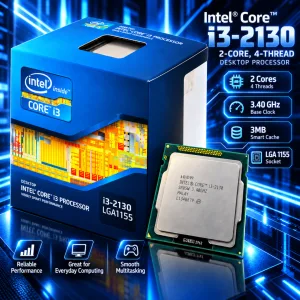
- 2 cores and 4 threads with Intel Hyper-Threading Technology
- 3.40 GHz processor base frequency with 3 MB Intel Smart Cache
- Integrated Intel HD Graphics 2000
Compare i5-750S with Similar Processor
Real-world benchmark differences, TDP energy consumption, pros & cons, and market pricing in Bangladesh.