

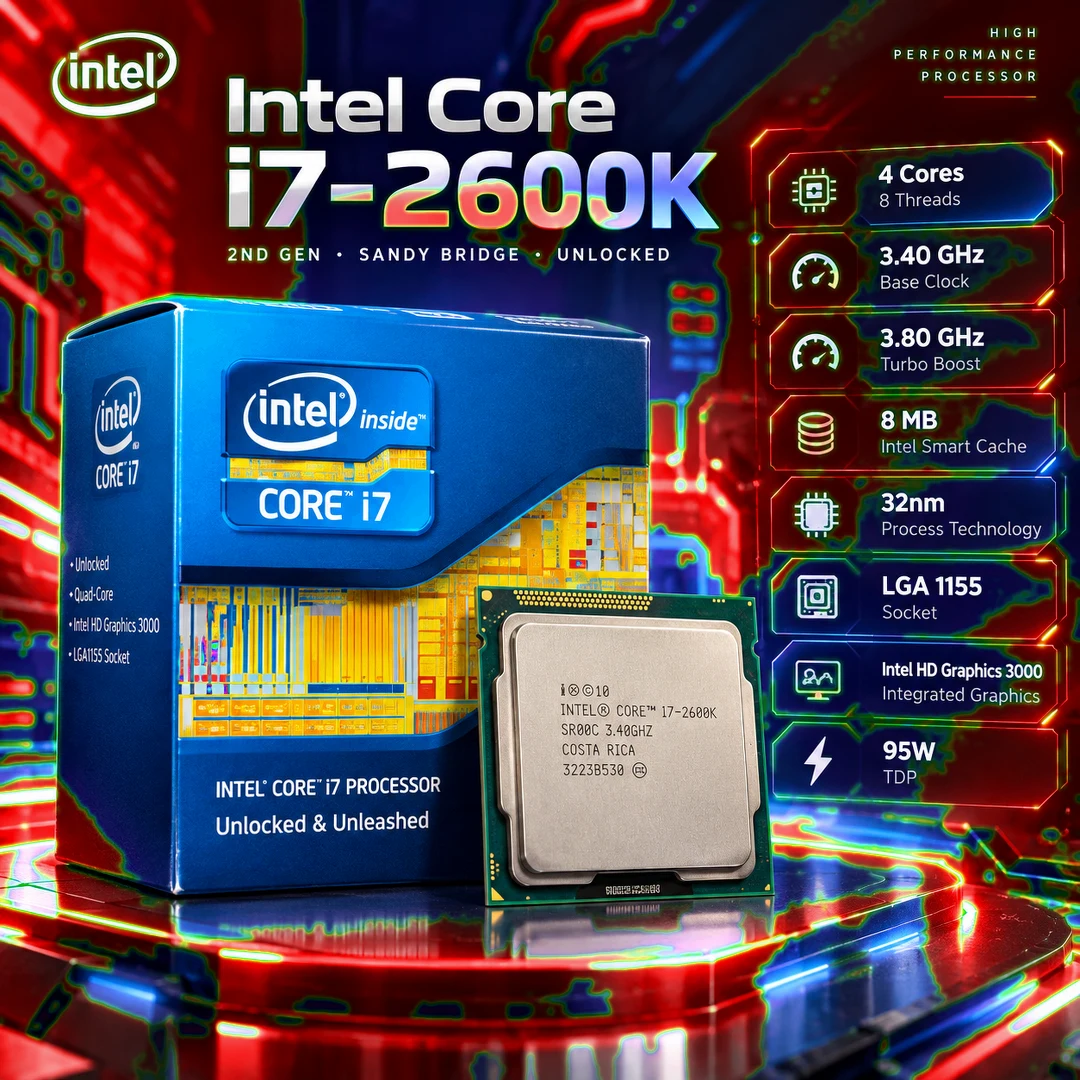
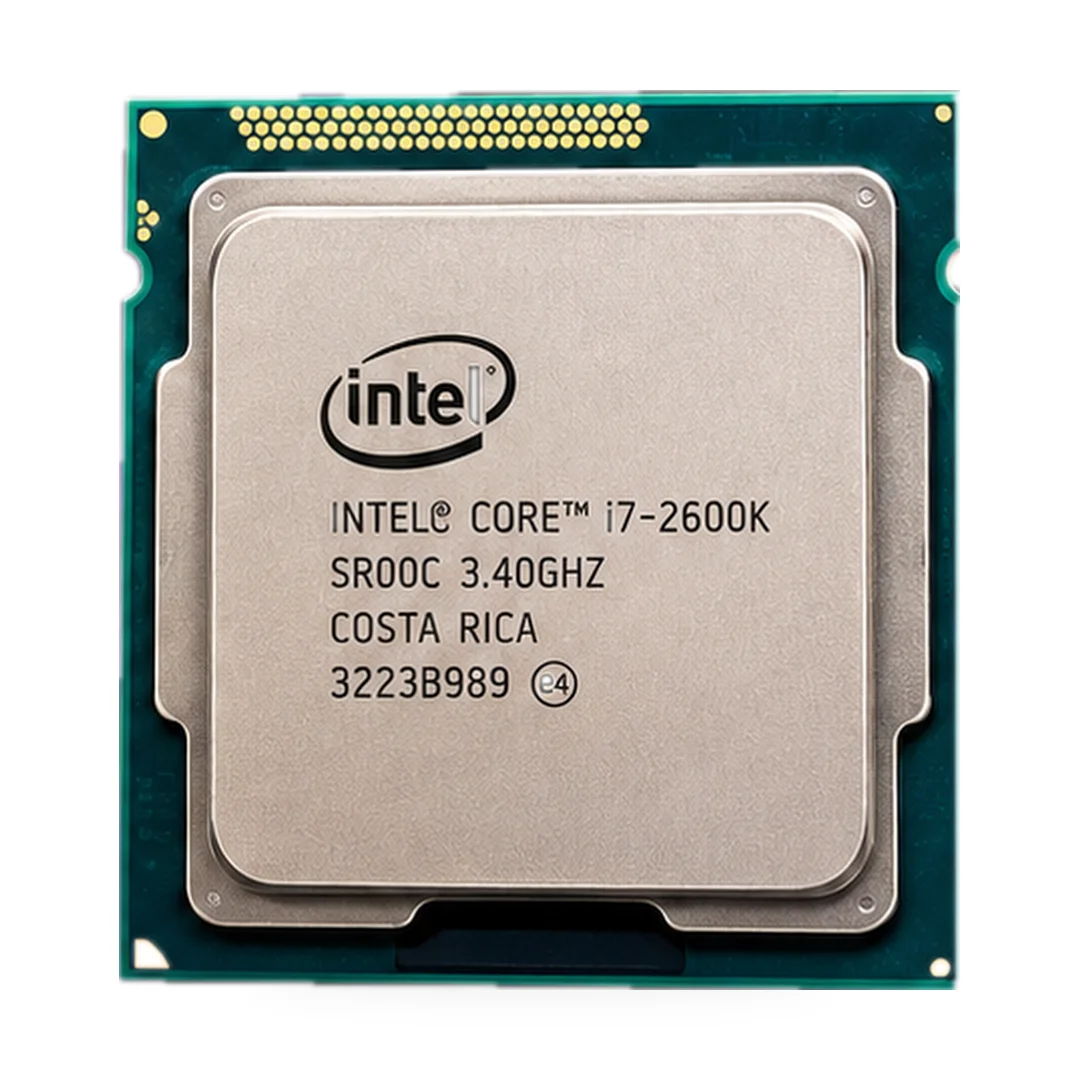
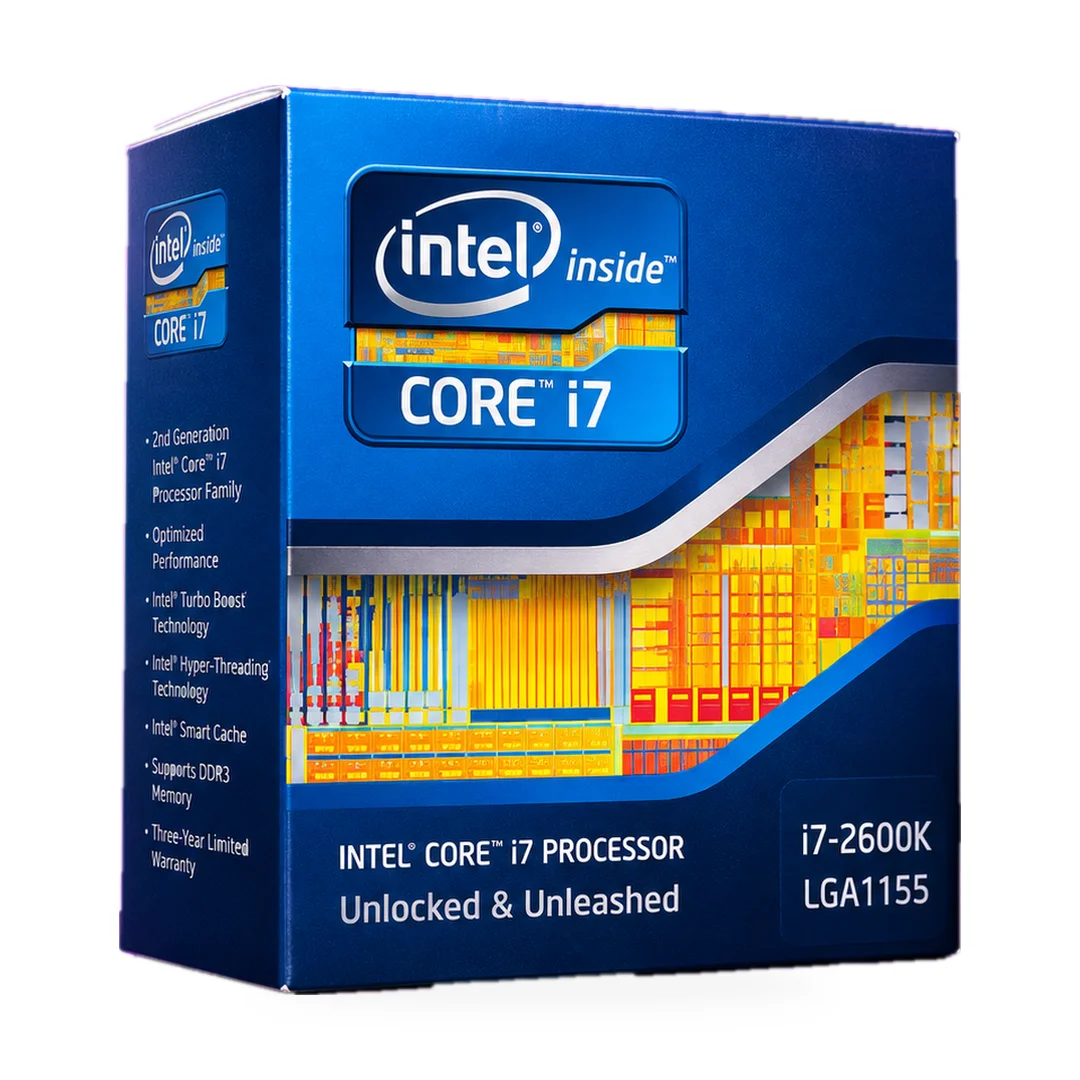
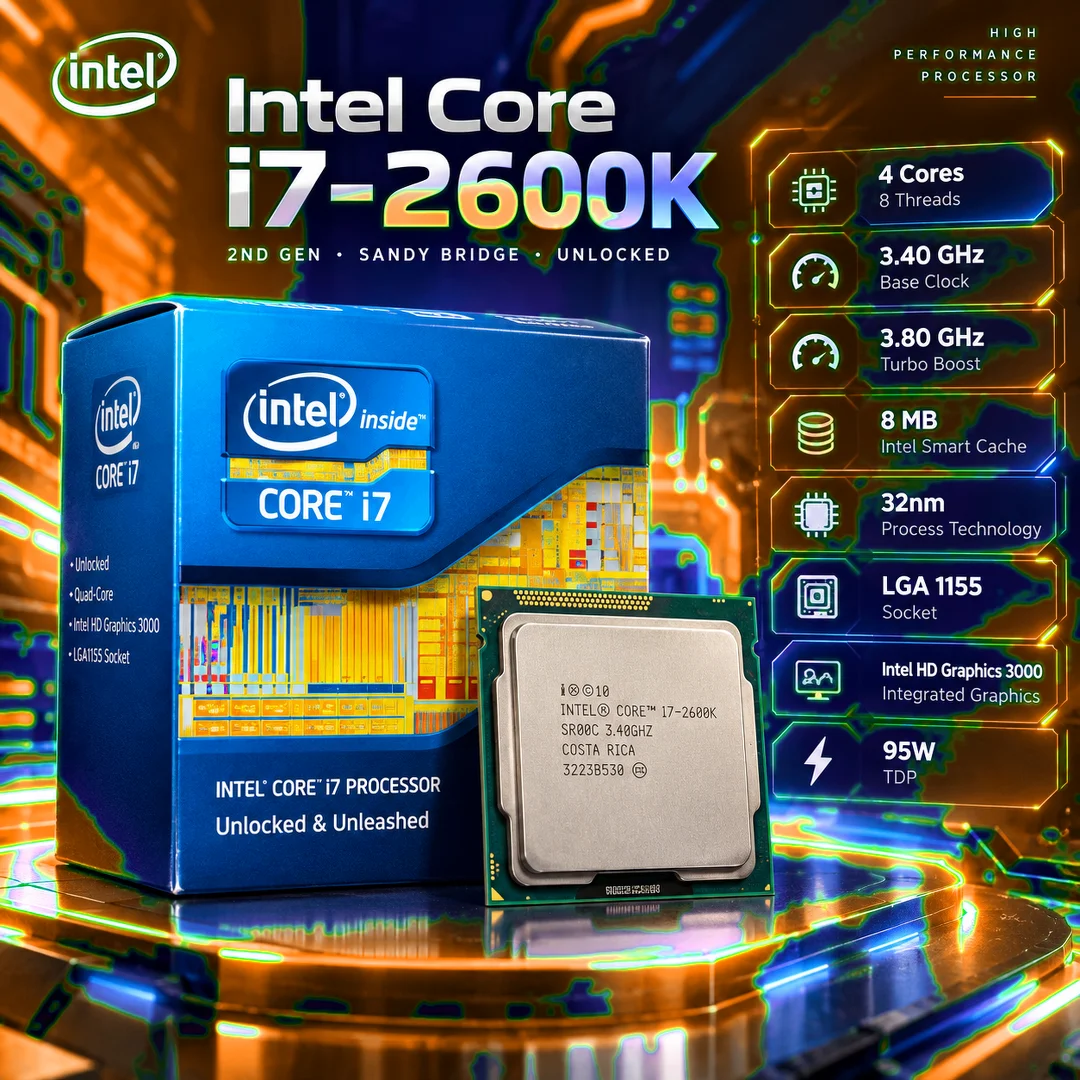
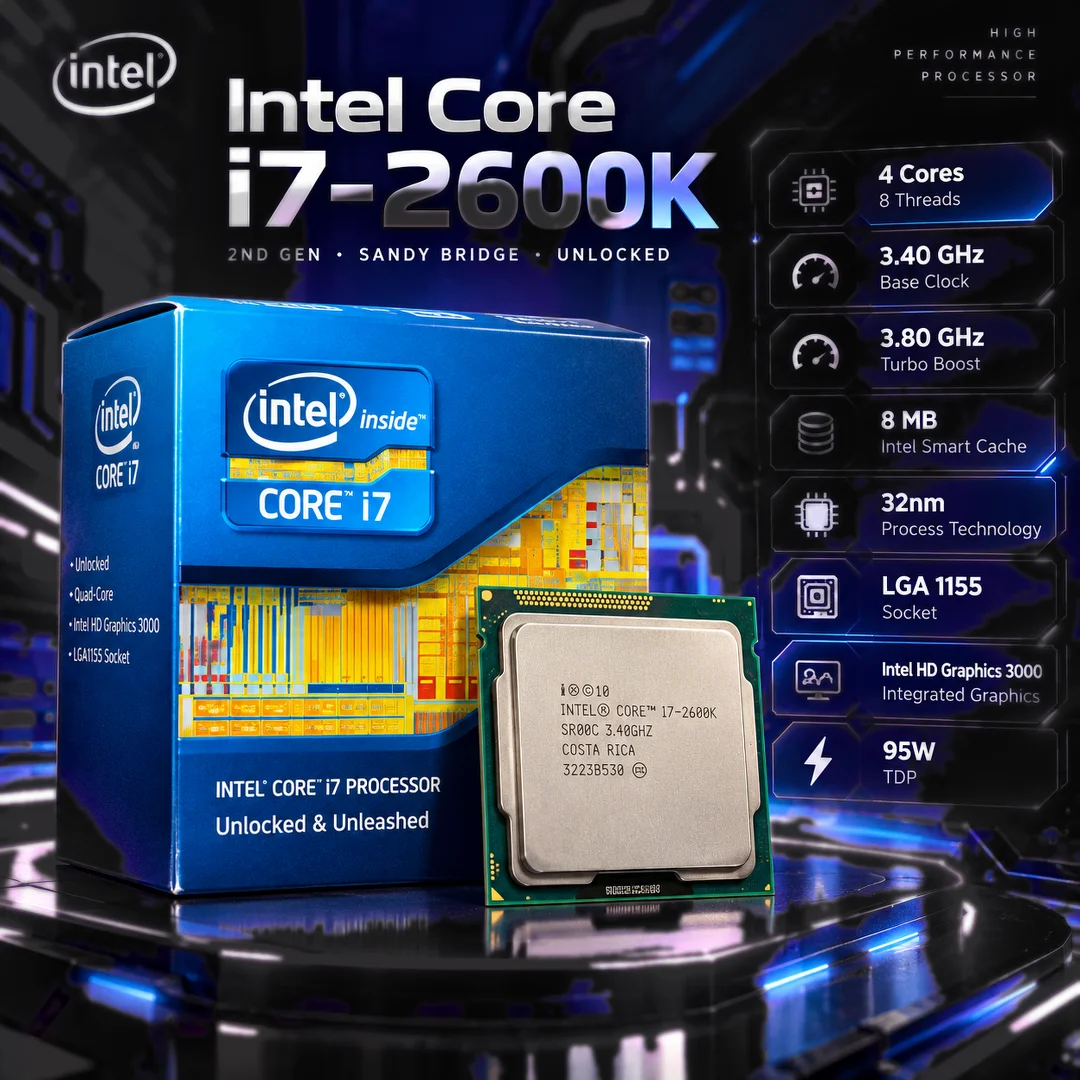
Intel Core i7-2600K 4-Core, 8-Thread Desktop Processor
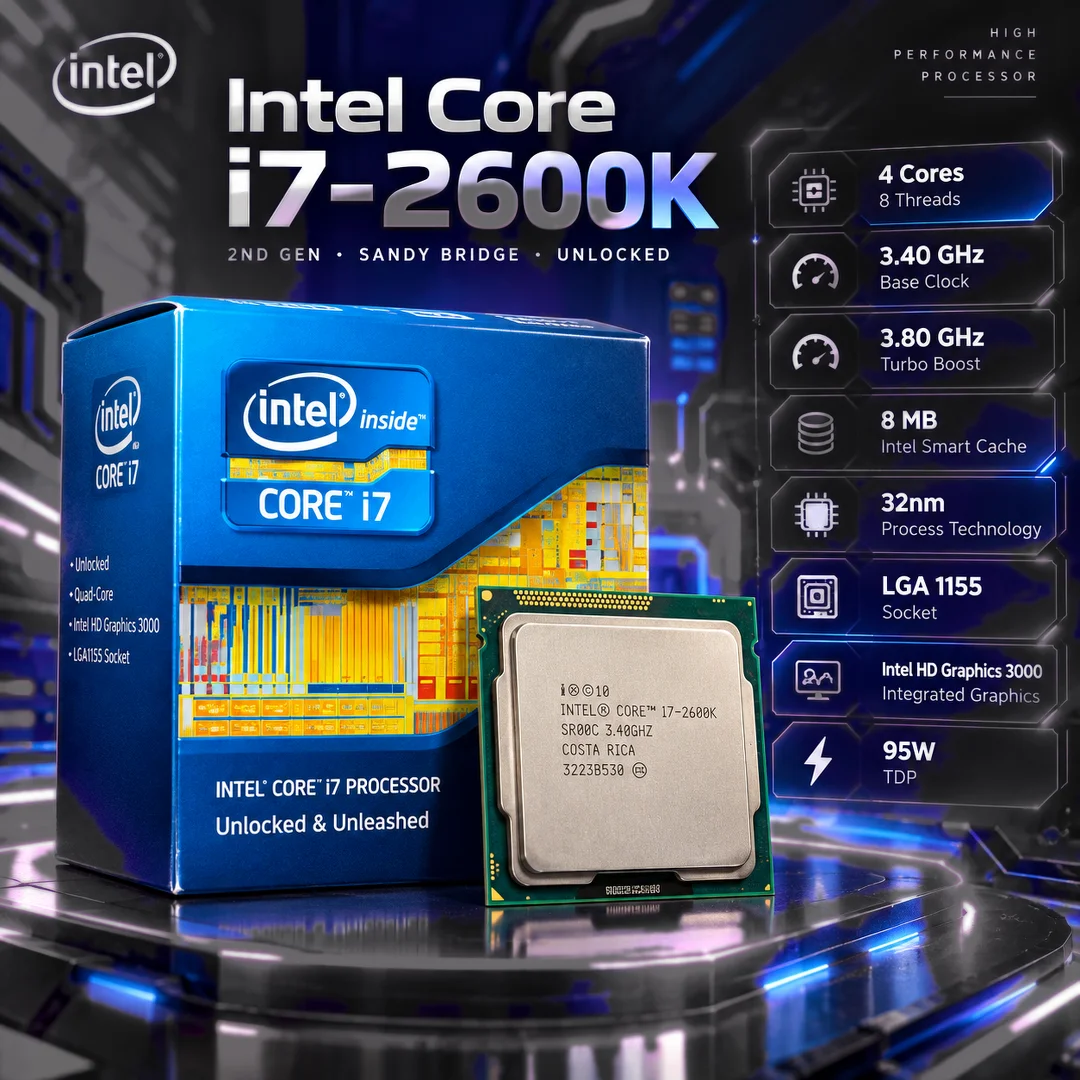
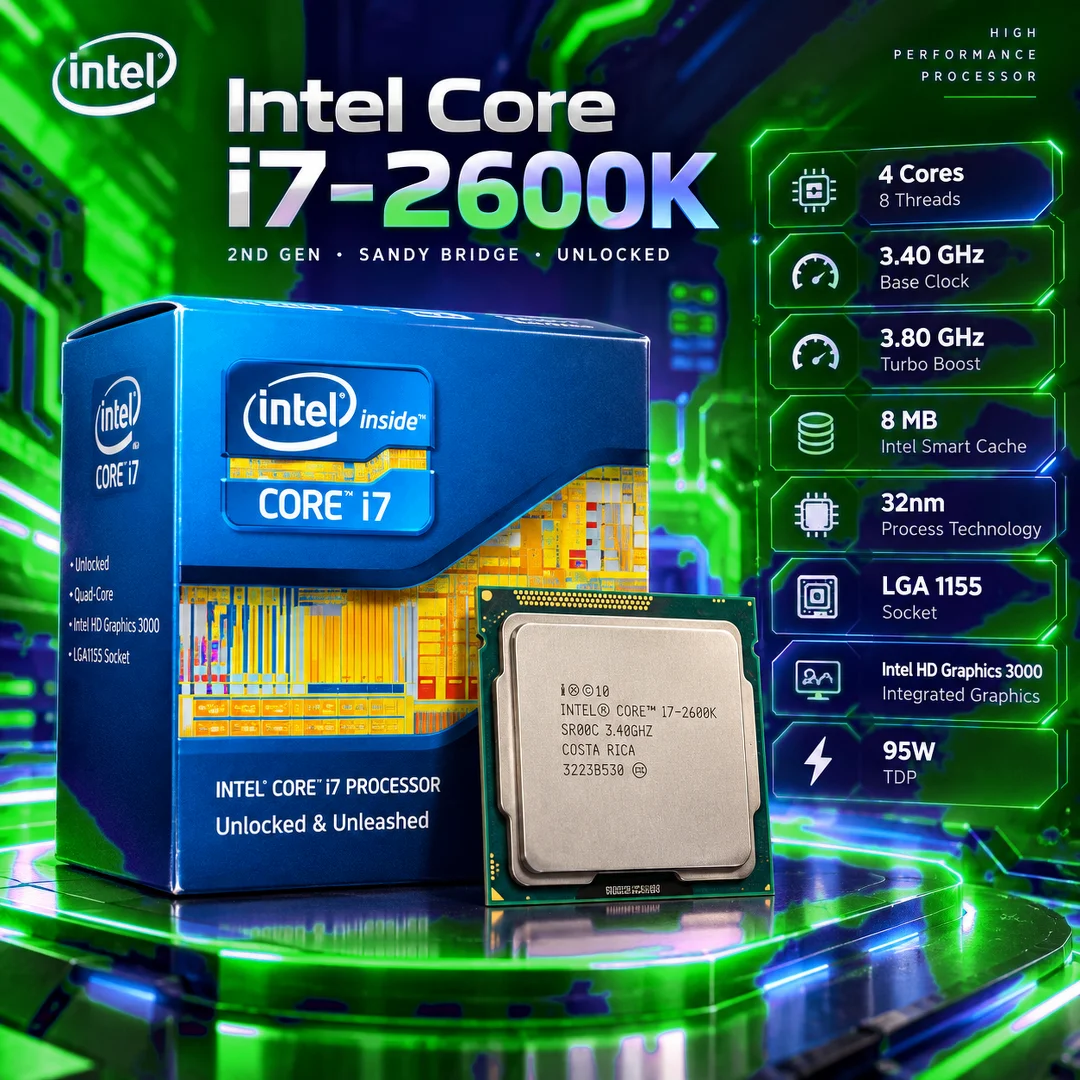
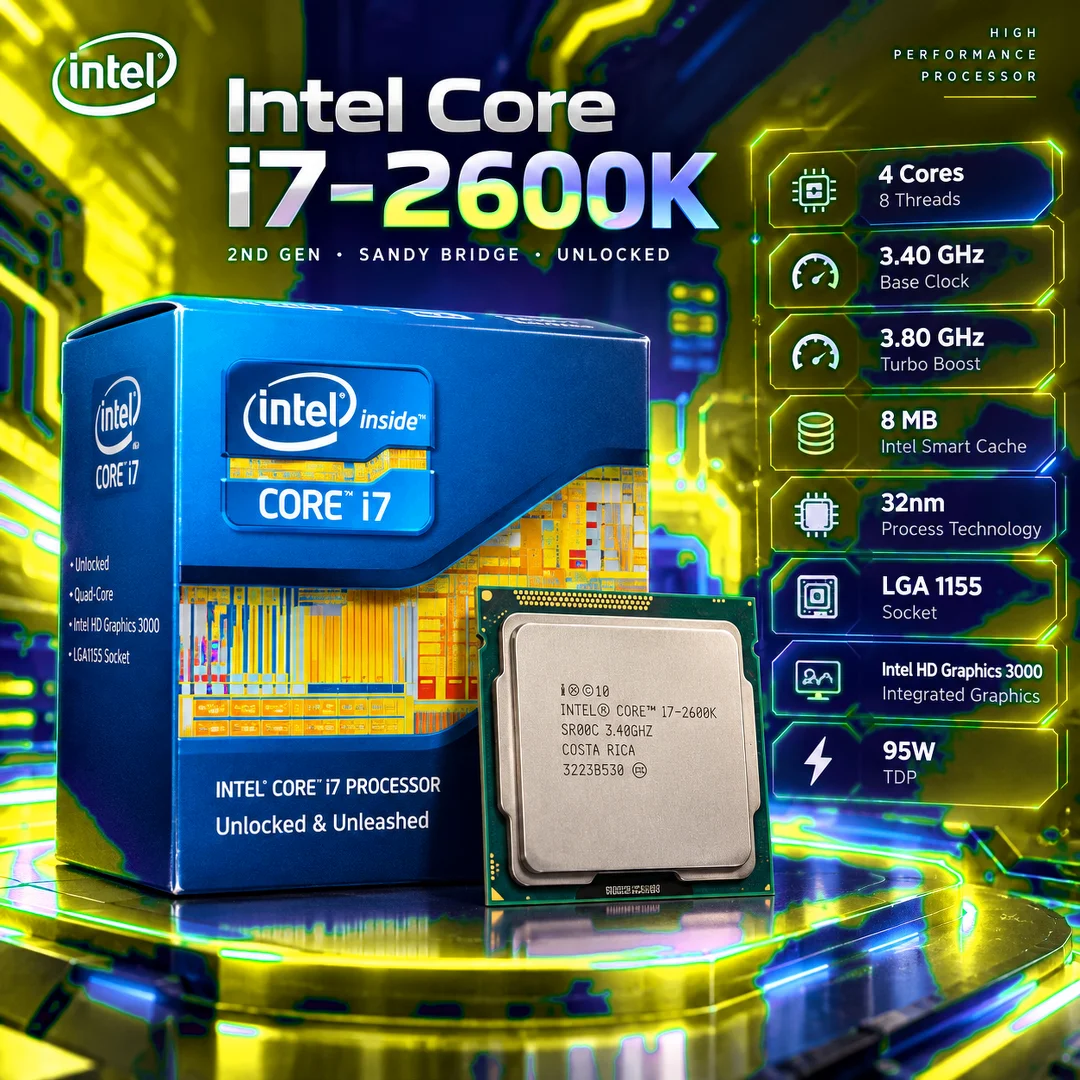
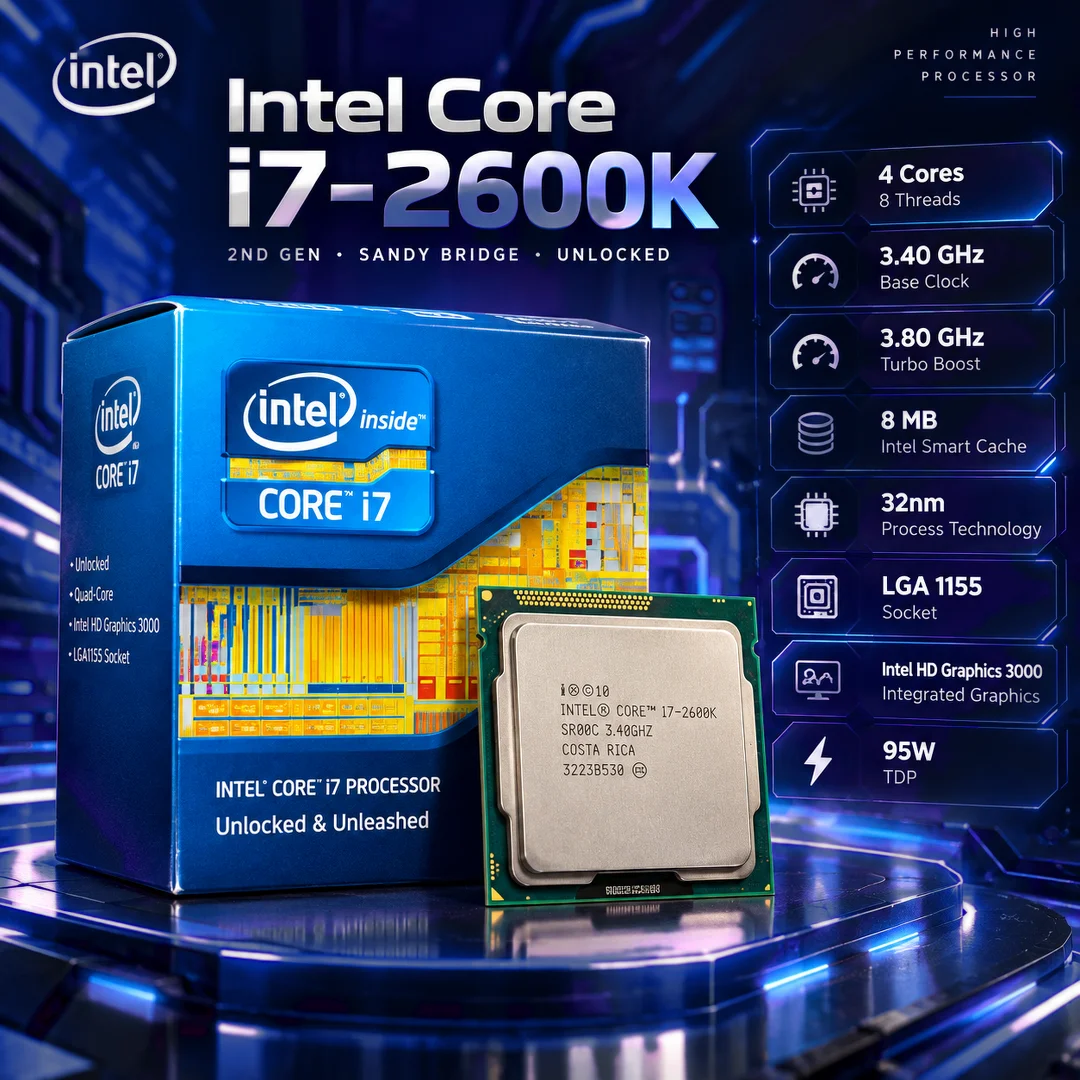
- 4 Cores and 8 Threads with Intel Hyper-Threading Technology
- 3.40 GHz Base Frequency with 3.80 GHz Max Turbo Frequency
- Unlocked multiplier for easy overclocking
- Includes Intel HD Graphics 3000
*Approximate regional retail guide prices. Pixahunt is an informational catalog.
CPU Benchmark Scores & Performance Analysis
TESTEDCinebench R23, Geekbench 6, PassMark CPU Mark scores & real-world gaming/office suitability tests.
Technical Specifications
Comprehensive hardware architecture and specifications
General
| Series | Core i7 |
| Model | i7-2600K |
| Cpu Cooler | Not Included |
| Code-Name | Sandy Bridge |
| Generation | 2nd Gen |
| Sockets Supported | LGA1155 |
Performance
| Base Frequency | 3.40 GHz |
| Turbo Frequency Max. | 3.80 GHz |
| Core | 4 |
| Threads | 8 |
| CPU Cache | 8 MB Intel Smart Cache |
| L1 Cache | 64 KB (per core) |
| L2 Cache | 256 KB (per core) |
| L3 Cache | 8 MB |
| TDP | 95 W |
| Lithography | 32 nm |
| Multiplier | 34.0x |
| Multiplier Unlocked | Yes |
| Processor Type | Core i7 |
Memory Support
| Memory Max. | 32 GB |
| Memory Type | DDR3 1066/1333 |
| Memory Speed | 1333 MT/s |
| Memory Channel | 2 |
| Max Memory Bandwidth | 21 GB/s |
| ECC Memory Supported | No |
Graphics
| Built-in GPU | Yes |
| Processor Graphics | Intel HD Graphics 3000 |
| Graphics Base Frequency | 850 MHz |
| Graphics Dynamic Frequency | 1.35 GHz |
| Graphics Core Count | N/A |
| Max Video Memory | Shared |
| Max Resolution | N/A |
Technical Info
| DirectX Support | 10.1 |
| OpenGL Support | 3.1 |
| Approx. Power Consumption | 95 W |
| Compatible Products / Chipsets | Z77, Z75, Q77, H77, Q75, B75, Z68, P67, H67, Q67, B65, H61 |
| PCI Express Version | 2.0 |
| PCI Express Lanes | 16 |
| Thermal Solution (MPK / Box) | Not Included |
| Max. Operating Temperature (Tjmax) | 72.6°C |
Warranty
| ManufacturingWarranty | Discontinued Product (No Active Warranty) |
Additional Info
| Specialty | Unlocked Multiplier, Intel Quick Sync Video, Intel InTru 3D Technology |
| Others | Instruction Set Extensions: Intel SSE4.1, SSE4.2, AVX |
| Country Of Origin | USA |
| Made in/ Assemble | China / Malaysia |
Editorial Overview & Review
In-depth insights, architecture summary, and performance evaluation
Introduction & Overview
In the history of personal computing, few processors hold a legendary status quite like the Intel Core i7-2600K. Codenamed "Sandy Bridge" and built on Intel's 32nm microarchitecture, this 2nd Generation flagship CPU represented one of the most substantial architectural leaps forward the desktop PC market had ever witnessed. Launched on the LGA1155 socket, the i7-2600K was engineered specifically for high-end enthusiasts, hardcore gamers, content creators, and overclockers who demanded uncompromised system responsiveness.
Positioned at the apex of Intel's mainstream consumer stack, the i7-2600K bridged the gap between everyday desktop computing and extreme workstation performance. Featuring an unlocked clock multiplier (signified by the "K" moniker), this processor was designed from the ground up to offer massive performance headroom, outclassing its predecessors while setting a new standard for power efficiency and single-threaded dominance.
Architecture, Performance & Key Technologies
At the core of Sandy Bridge's success is its revolutionary monolithic die design. Fabricated on a 32 nm lithography process with a 95 W TDP, the i7-2600K integrates four physical processing cores and eight logical threads via Intel Hyper-Threading technology. The chip operates at a swift 3.40 GHz Base Frequency with a maximum Turbo Boost Frequency of 3.80 GHz. Memory management is handled by an integrated dual-channel DDR3 controller supporting speeds up to 1333 MT/s and capacities up to 32 GB, providing a peak memory bandwidth of 21 GB/s.
Architectural highlights of the Core i7-2600K include:
- Ring Bus Architecture & L3 Cache: The processor features 8 MB of Intel Smart Cache connected via a high-speed ring bus that dynamically allocates cache access between CPU cores and integrated graphics, drastically lowering memory latency.
- Intel HD Graphics 3000: On-die graphics running at an 850 MHz base frequency and dynamic boost up to 1.35 GHz. While discrete graphics were recommended for heavy gaming, HD 3000 offered integrated display capabilities and DirectX 10.1 support.
- Intel Quick Sync Video: A dedicated hardware acceleration block for video encoding and decoding that drastically reduced render times for H.264 video.
- Instruction Set Extensions: Debut of Advanced Vector Extensions (AVX), alongside SSE4.1 and SSE4.2, boosting floating-point intensive computational tasks.
- Overclocking Capability: Featuring an unlocked 34.0x multiplier, the i7-2600K gained fame for its extreme overclocking headroom—frequently exceeding 4.5 GHz to 4.8 GHz on standard air or liquid cooling setups when paired with enthusiast chipsets like the P67, Z68, or Z77.
Real-World Use Cases
During its prime—and for many
OUR RATING CONSENSUS
The overall rating is based on review by our experts & industry benchmark suites
Quick Snapshot
- Overall Rating
- 4.8 / 10
- Brand
- Intel
- Category
- Processor
- Catalog Model
- i7-2600K
- Status
- Published
- Release Date
- Oct 10, 2026
Pixahunt Tech Community
Connect with hardware enthusiasts, compare benchmarks, and explore real user setups.
Explore Full Newsfeed →Related Gadgets
- 3.20 GHz Dual-Core Clock Speed for Reliable Everyday Computing
- Intel Hyper-Threading Technology Enabling 4 Parallel Threads
- Built-in Intel HD Graphics for Integrated Display Support
- 2 cores and 4 threads with Intel Hyper-Threading Technology
- 3.10 GHz base processor frequency
- 3 MB Intel Smart Cache
- 2 Cores and 4 Threads with Intel Hyper-Threading Technology
- 3.30 GHz Base Clock Frequency with 3 MB Intel Smart Cache
- Includes Intel HD Graphics 2000 integrated graphics
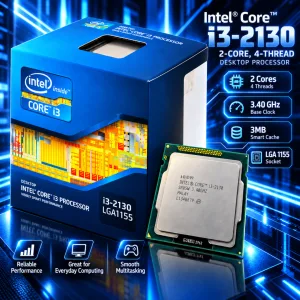
- 2 cores and 4 threads with Intel Hyper-Threading Technology
- 3.40 GHz processor base frequency with 3 MB Intel Smart Cache
- Integrated Intel HD Graphics 2000