
Intel Core i7-920 4-Core, 8-Thread Desktop Processor
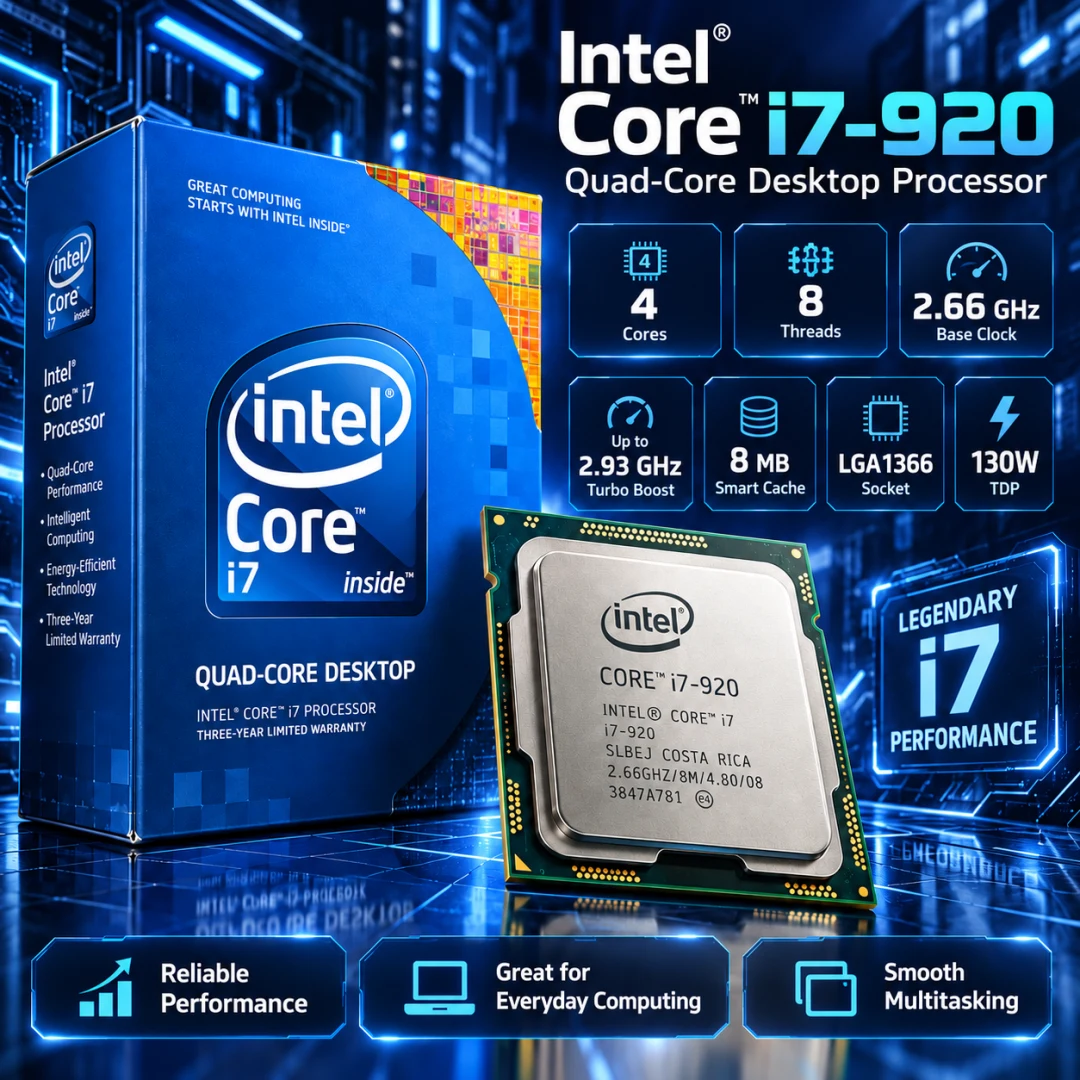
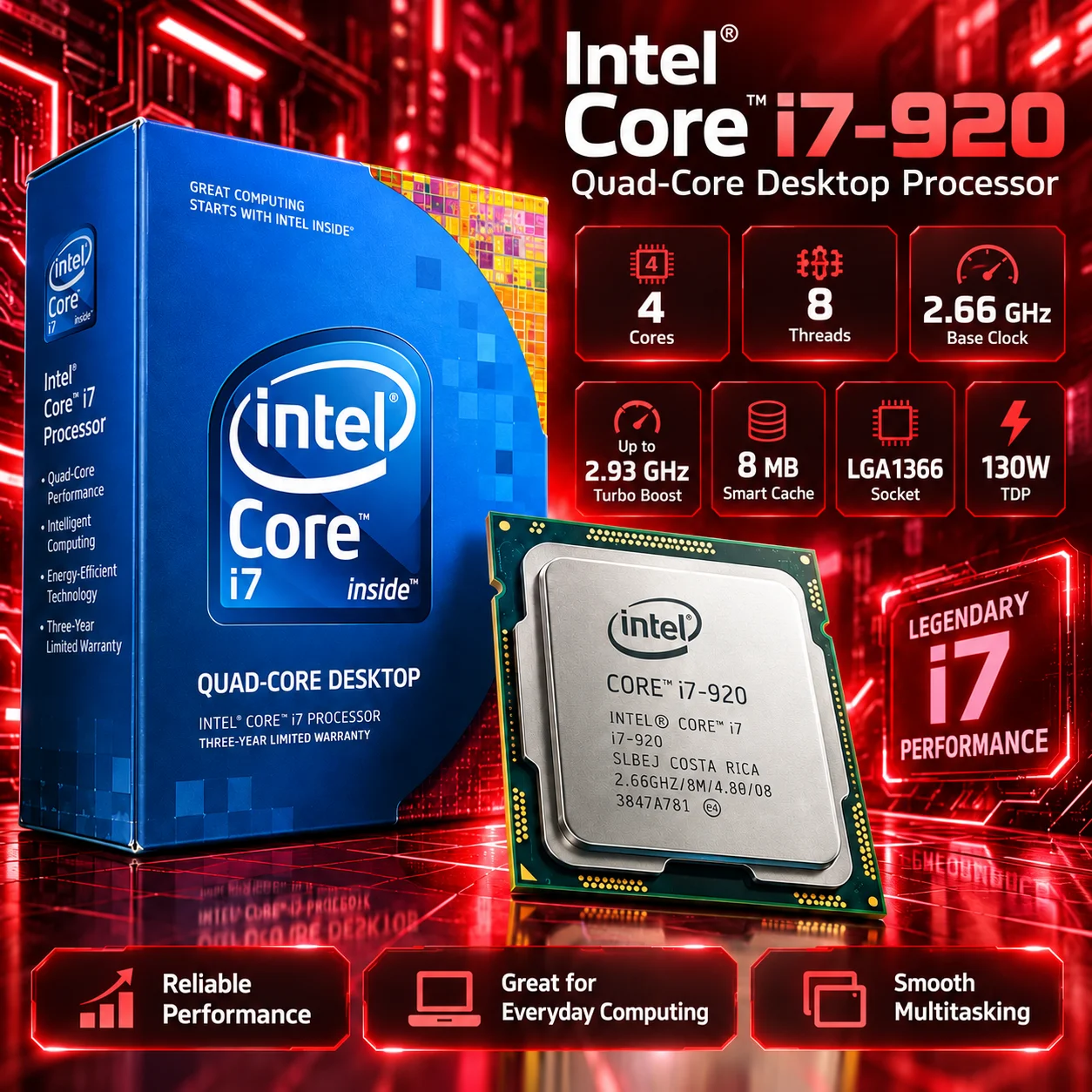
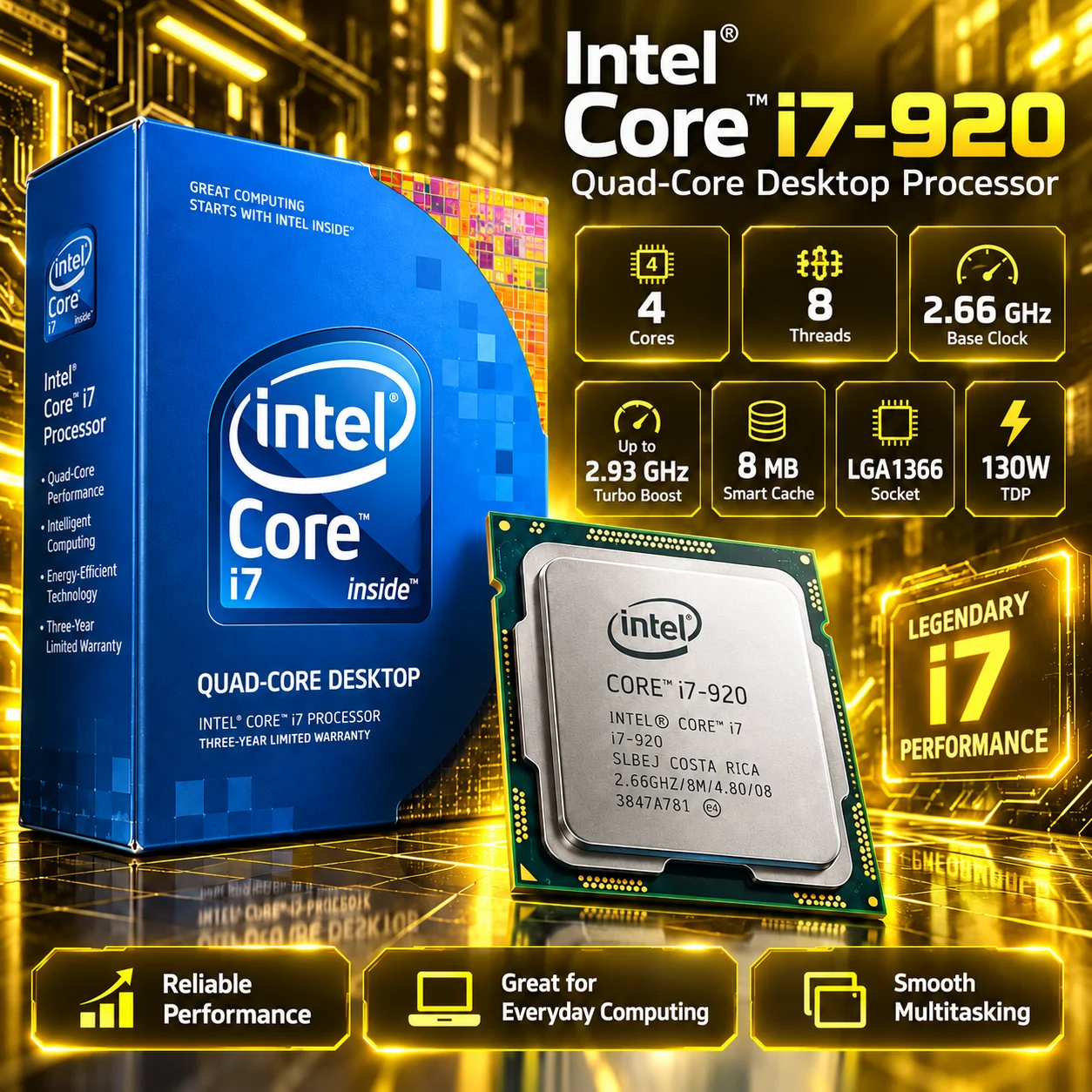
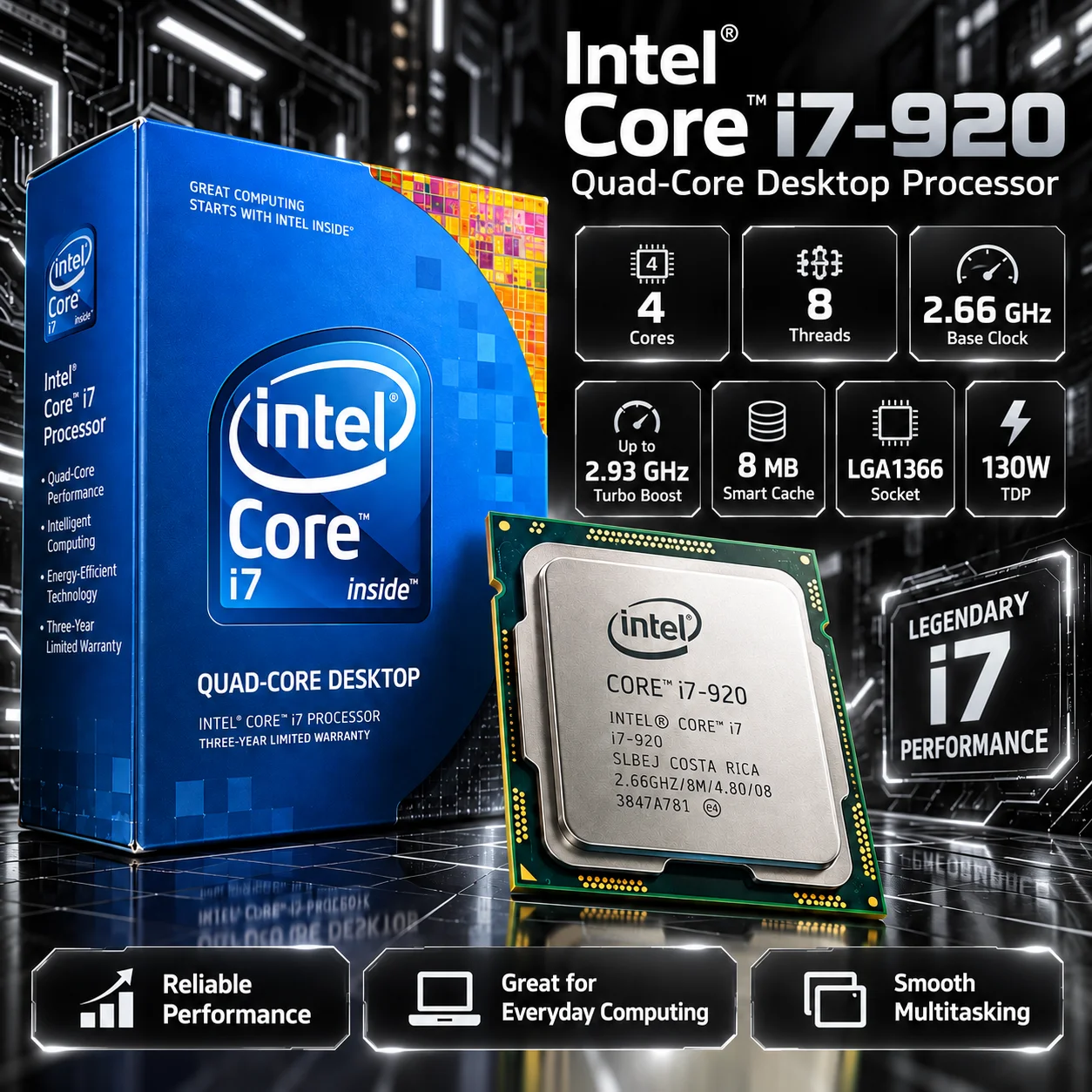
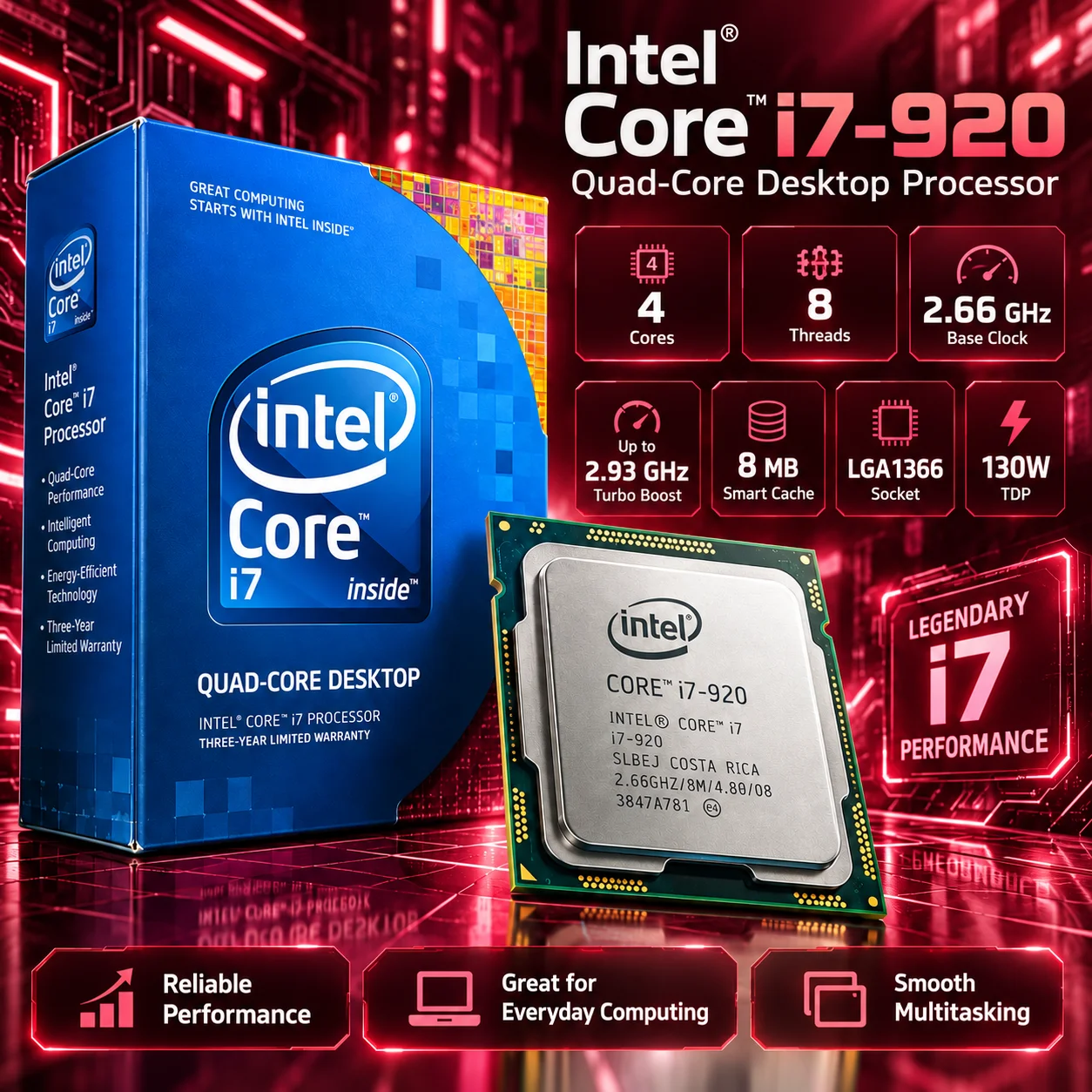
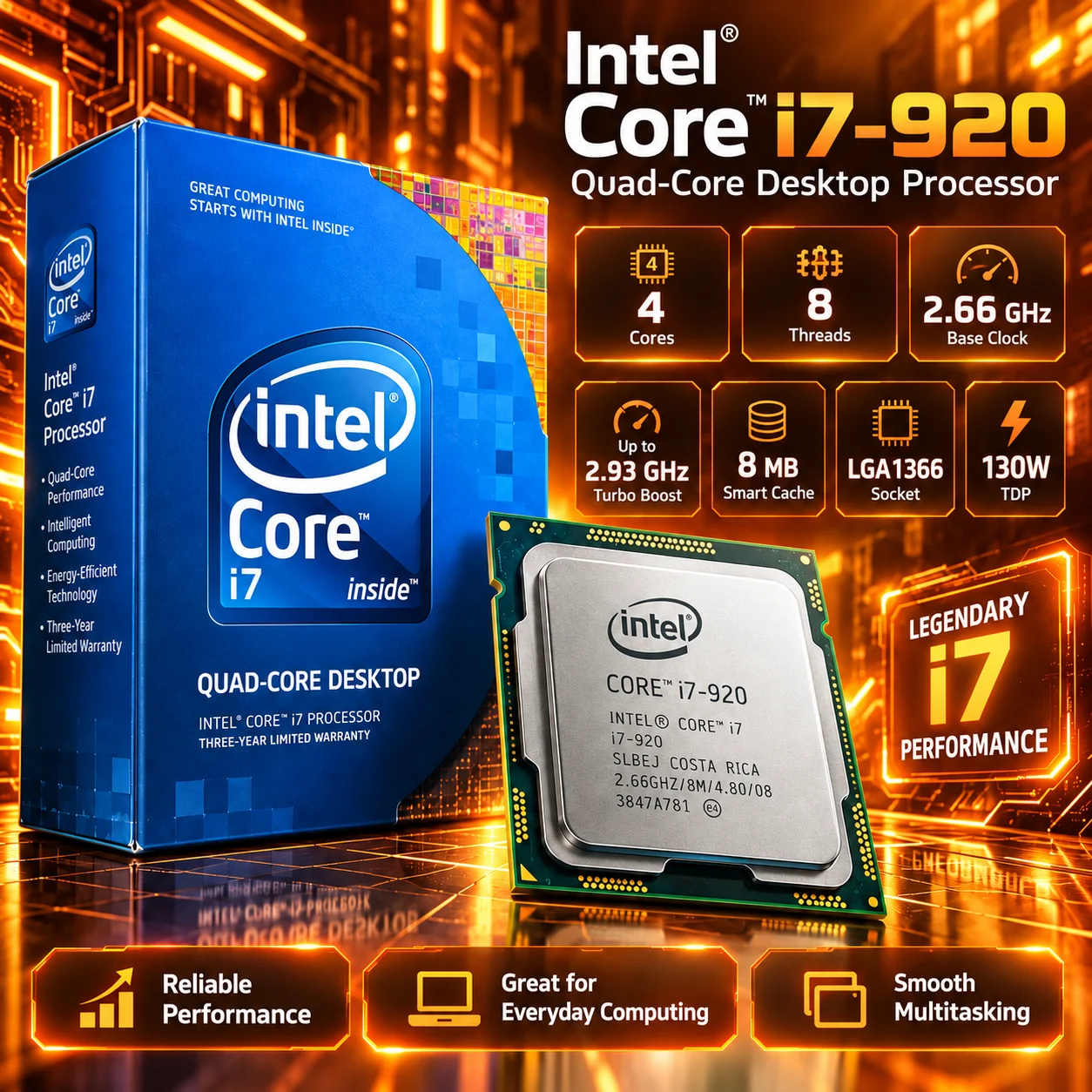
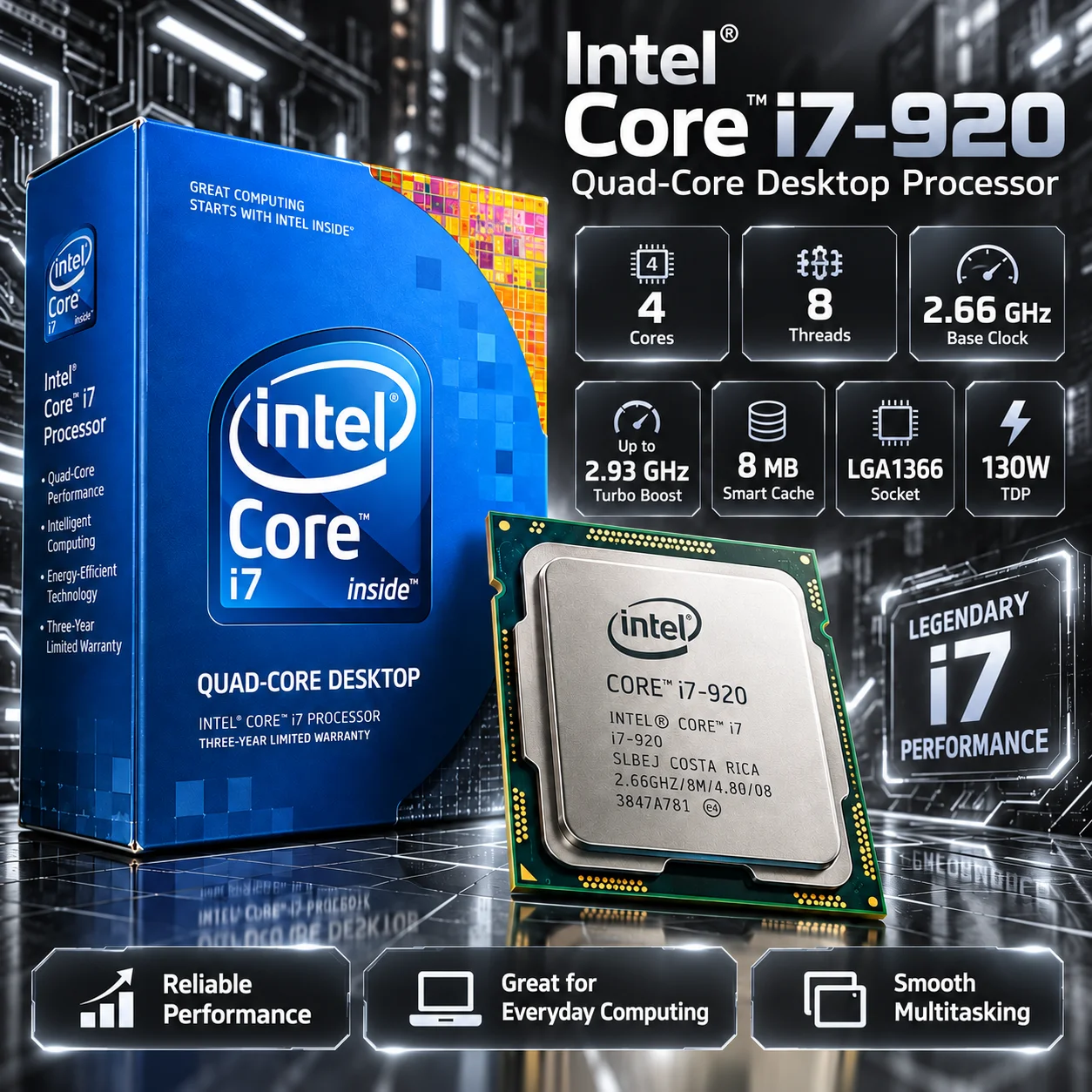
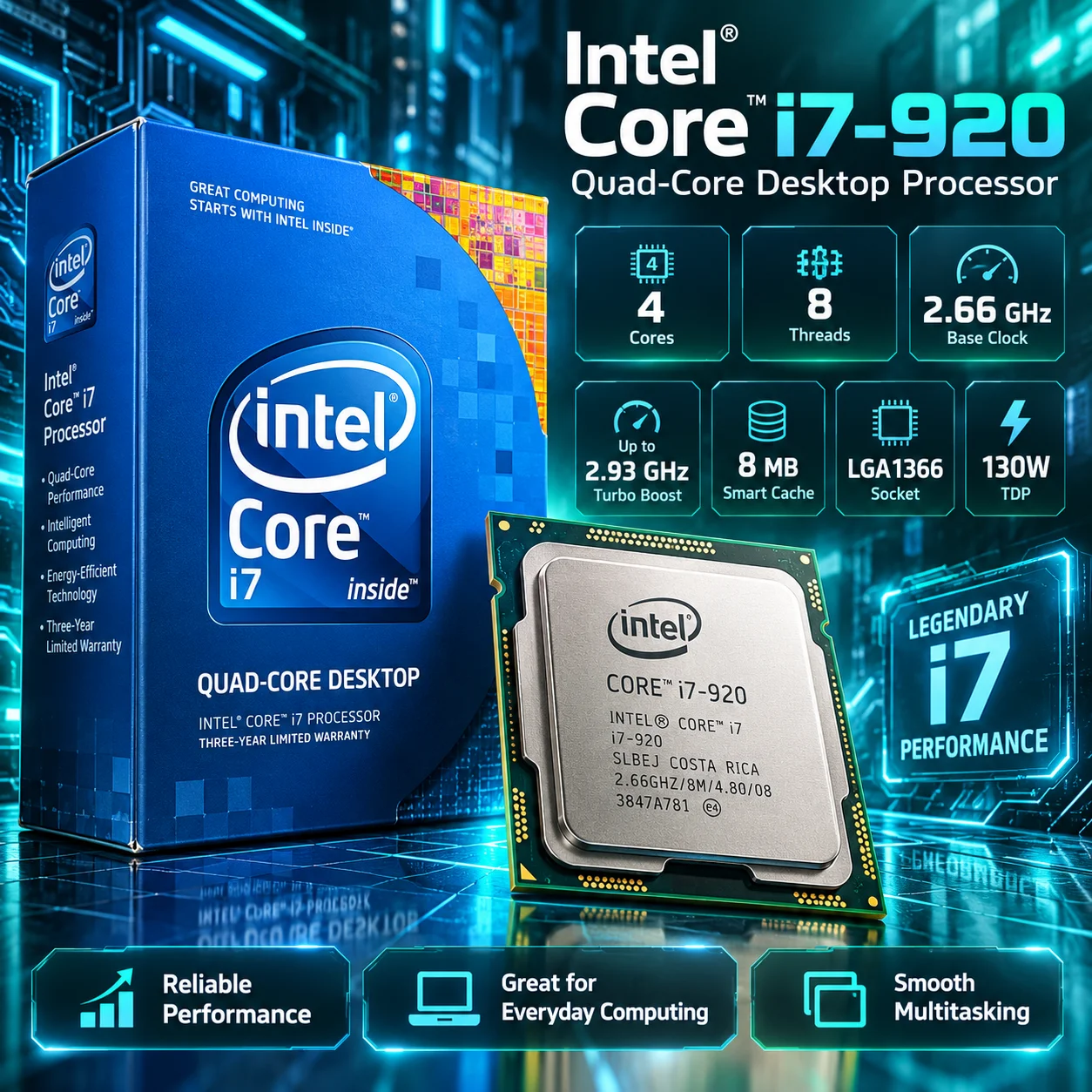
- 4 cores and 8 threads with Intel Hyper-Threading technology
- 2.666 GHz base frequency with up to 2.933 GHz turbo boost
- 8 MB of shared L3 cache and support for triple-channel DDR3 memory
- 130 W TDP built on a 45 nm production node
*Approximate regional retail guide prices. Pixahunt is an informational catalog.
CPU Benchmark Scores & Performance Analysis
TESTEDCinebench R23, Geekbench 6, PassMark CPU Mark scores & real-world gaming/office suitability tests.
Technical Specifications
Comprehensive hardware architecture and specifications
General
| Series | Core i7 |
| Model | i7-920 |
| Cpu Cooler | Not Included |
| Code-Name | Bloomfield |
| Generation | 1st Gen |
| Sockets Supported | Socket 1366 |
Performance
| Base Frequency | 2.666 GHz |
| Turbo Frequency Max. | 2.933 GHz |
| Core | 4 |
| Threads | 8 |
| CPU Cache | 8 MB L3 Cache |
| L1 Cache | 64 KB per core |
| L2 Cache | 256 KB per core |
| L3 Cache | 8 MB |
| TDP | 130 W |
| Lithography | 45 nm |
| Multiplier | 20.0x |
| Multiplier Unlocked | No |
| Processor Type | Core i7 |
Memory Support
| Memory Max. | N/A |
| Memory Type | DDR3 |
| Memory Speed | N/A |
| Memory Channel | Triple-channel |
| Max Memory Bandwidth | N/A |
| ECC Memory Supported | No |
Graphics
| Built-in GPU | No |
| Processor Graphics | N/A |
| Graphics Base Frequency | N/A |
| Graphics Dynamic Frequency | N/A |
| Graphics Core Count | N/A |
| Max Video Memory | N/A |
| Max Resolution | N/A |
Technical Info
| DirectX Support | N/A |
| OpenGL Support | N/A |
| Approx. Power Consumption | 130 W |
| Compatible Products / Chipsets | Intel X58 Express |
| PCI Express Version | Gen 2 |
| PCI Express Lanes | N/A |
| Thermal Solution (MPK / Box) | Not Included |
| Max. Operating Temperature (Tjmax) | N/A |
Warranty
| ManufacturingWarranty | N/A |
Additional Info
| Specialty | Intel Hyper-Threading, Intel VT-x Hardware Virtualization |
| Others | End-of-life |
| Country Of Origin | N/A |
| Made in/ Assemble | N/A |
Editorial Overview & Review
In-depth insights, architecture summary, and performance evaluation
Introduction & Overview
In the annals of PC hardware history, few processors hold as legendary a status as the Intel Core i7-920. Code-named Bloomfield and built on Intel's landmark Nehalem microarchitecture, the i7-920 marked the official debut of the "Core i7" brand. Slotting into the high-end Socket 1366 platform, this processor was engineered to redefine high-performance desktop computing, shifting the industry away from the aging Core 2 Quad architecture and setting new benchmarks for x86 efficiency and speed.
Targeted squarely at hardware enthusiasts, early adopters, digital content creators, and demanding gamers, the Core i7-920 was positioned as the accessible gateway to Intel's flagship enthusiast tier. While extreme-tier chips commanded premium price tags, the i7-920 brought true workstation-class multi-threaded horsepower and revolutionary platform features to high-end consumer desktop builds.
Architecture, Performance & Key Technologies
The Intel Core i7-920 represented a massive leap in underlying architecture. Manufactured on a 45 nm lithography process, the chip features 4 physical cores and 8 threads thanks to the return of Intel Hyper-Threading Technology. Operating at a stock Base Frequency of 2.666 GHz with a Max Turbo Frequency of 2.933 GHz, it dynamic adjusted clock rates based on workload intensity and thermal headroom.
Under the hood, Nehalem fundamentally altered desktop PC topology:
- Integrated Memory Controller & Triple-Channel DDR3: By moving the memory controller directly onto the CPU die, Intel eliminated the traditional Front Side Bus (FSB) bottleneck. The i7-920 featured a novel Triple-channel DDR3 memory architecture, offering unprecedented memory bandwidth compared to contemporary dual-channel platforms.
- Smart Cache Hierarchy: The processor packed a generous 8 MB L3 cache shared dynamically across all cores, backed by 256 KB of L2 cache per core and 64 KB of L1 cache per core, drastically reducing memory latency.
- Intel X58 Express Platform: Paired with the Intel X58 chipset, the platform offered rich PCI Express Gen 2 connectivity, catering to multi-GPU setups (SLI and CrossFireX) and high-speed expansion cards.
- Power & Thermal Specs: The processor operated with a Thermal Design Power (TDP of 130 W). As an enthusiast-focused chip, thermal management required robust cooling solutions (often supplied separately as a boxed cooler was not standard in all retail configurations).
Real-World Use Cases
In real-world applications, the Core i7-920 established a new standard for multitasking and computational throughput during its golden era:
Content Creation & Workstations: Thanks to 8 logical threads, hardware virtualization (Intel VT-x), and vast memory bandwidth, the i7-920 chewed through heavy workload pipelines like video rendering, 3D modeling, archive compression, and software compilation. Tasks that previously choked quad-core processors ran smoothly in the background.
High-End Gaming: Because the Core i7-920 lacked a built-in GPU, PC builders were required to pair it with a dedicated graphics card. When combined with top-tier discrete GPUs, the i7-920 delivered fluid frame rates in demanding 3D games, completely bottleneck-free.
Overclocking Capability: Despite having a fixed 20.0x multiplier (multiplier unlocked: No), the i7-920 became a legend among overclockers. By pushing the Base Clock (BCLK) on quality X58 motherboards, enthusiasts routinely pushed this 2.666 GHz chip past the 3.8 GHz to 4.0 GHz mark on air or liquid cooling, unlocking massive performance gains that rivaled far more expensive processors.
Strengths & Potential Considerations
Evaluating the Core i7-920 highlights several standout benefits alongside notable platform considerations:
- Pros:
- Groundbreaking Multi-Threaded Power: 4 cores and 8 threads provided unmatched productivity headroom.
- Triple-Channel Memory: Outstanding memory bandwidth for bandwidth-heavy application suites.
- Sensational Overclocking Headroom: Highly scalable architectural headroom via BCLK tuning.
- Historical Longevity: Built on a platform so robust that it remained functional for complex tasks for years beyond its generation.
- Cons:
- High Power & Heat: A 130 W TDP meant substantial power draw and high thermal output under full load.
- Expensive Platform Entry: Intel X58 motherboards and triple-channel DDR3 kits carried a premium cost.
- No Integrated Graphics: Requires a standalone graphics card for display output.
- Legacy Hardware Status: Now classified as End-of-Life (EOL), lacking modern instruction sets (such as AVX2) needed for modern application compliance.
Final Buying Verdict
The Intel Core i7-920 stands as one of the most important microprocessors in PC history. It introduced technologies—like integrated memory controllers, Turbo Boost, and Nehalem-era Hyper-Threading—that defined modern x86 CPU design for over a decade.
Is it worth buying today? As a modern daily driver, primary gaming rig, or workstation CPU, the answer is no. Its End-of-Life status, 45 nm node, and lack of modern architectural features render it outdated for today's software requirements and power efficiency standards. However, for retro hardware enthusiasts, tech collectors, or budget tinkerers building legacy XP/Windows 7 gaming systems or secondary homelabs on extreme budget constraints, the i7-920 remains a cherished milestone of engineering excellence.
OUR RATING CONSENSUS
The overall rating is based on review by our experts & industry benchmark suites
Quick Snapshot
- Overall Rating
- 5.6 / 10
- Brand
- Intel
- Category
- Processor
- Catalog Model
- i7-920
- Status
- Published
- Release Date
- Oct 10, 2026
Pixahunt Tech Community
Connect with hardware enthusiasts, compare benchmarks, and explore real user setups.
Explore Full Newsfeed →Related Gadgets
- 3.20 GHz Dual-Core Clock Speed for Reliable Everyday Computing
- Intel Hyper-Threading Technology Enabling 4 Parallel Threads
- Built-in Intel HD Graphics for Integrated Display Support
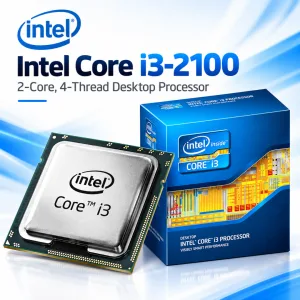
- 2 cores and 4 threads with Intel Hyper-Threading Technology
- 3.10 GHz base processor frequency
- 3 MB Intel Smart Cache
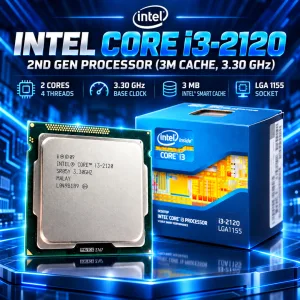
- 2 Cores and 4 Threads with Intel Hyper-Threading Technology
- 3.30 GHz Base Clock Frequency with 3 MB Intel Smart Cache
- Includes Intel HD Graphics 2000 integrated graphics
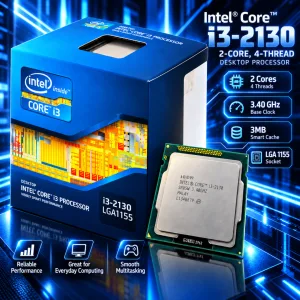
- 2 cores and 4 threads with Intel Hyper-Threading Technology
- 3.40 GHz processor base frequency with 3 MB Intel Smart Cache
- Integrated Intel HD Graphics 2000